Why Agricultural Metal Buildings Are Ideal for Modern Farms
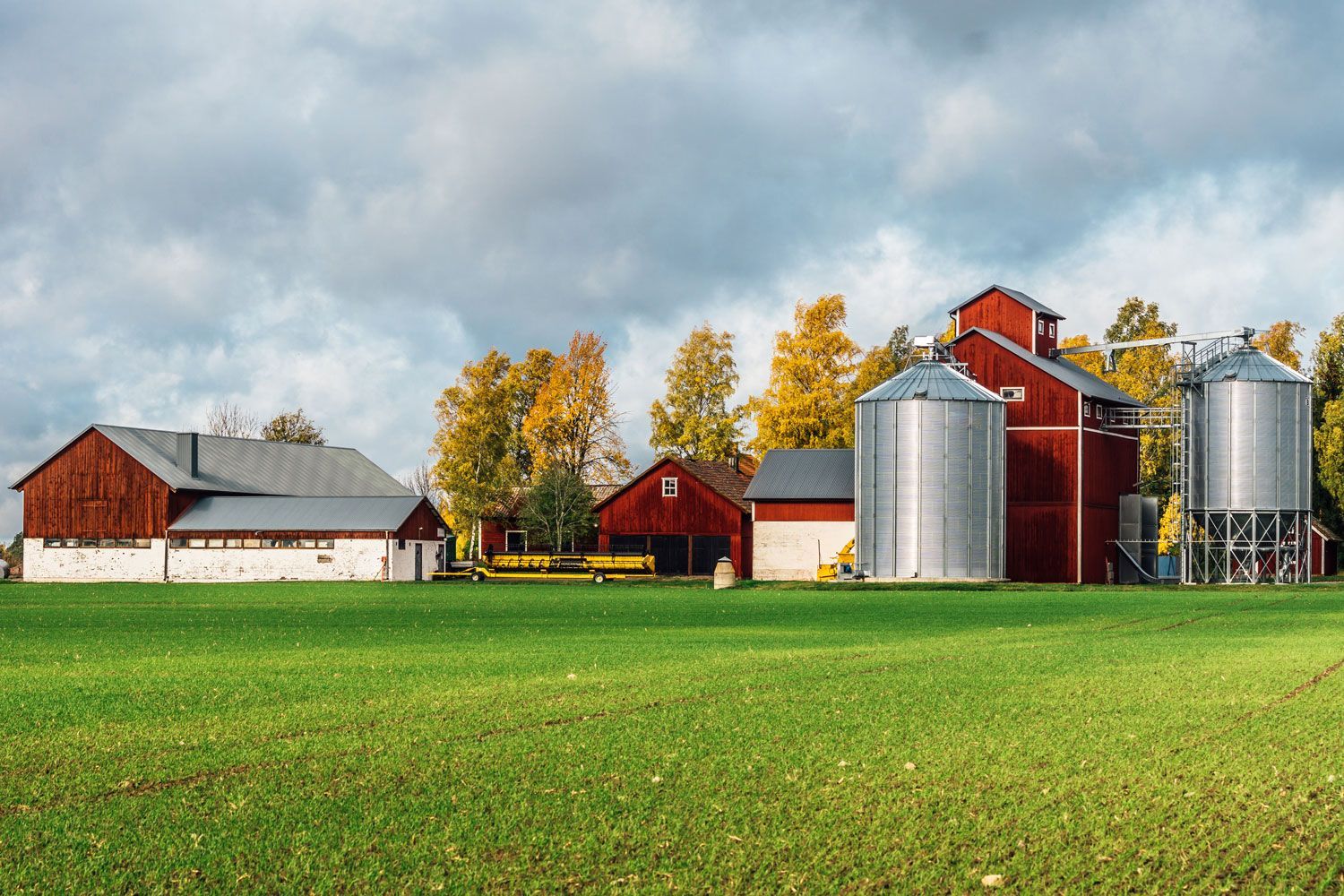
If you take a drive through the American heartland, you’ll see the story of our farming history written in the skyline. For decades, that story was told through the classic red wooden barn. It’s an image that still pulls at the heartstrings, representing a time of horse-drawn plows and hand-shucked corn.
But as any producer working the land today will tell you, sentimentality doesn’t keep the rain off a half-million-dollar combine or provide the biosecurity needed for a modern poultry operation. The scale of farming has changed, and the buildings we use have to change along with it.
Today, the transition from timber to steel isn't just a trend; it’s a necessity for survival in a competitive global market. Across the United States, forward-thinking farmers are retiring their old pole barns in favor of high-performance structures. These aren't just "sheds", they are engineered assets designed to withstand the brutal reality of rural life. Here is a deep dive into why agricultural metal buildings have become the backbone of the modern American farm.
The Battle Against the Elements: Why Steel Wins
On a farm, the environment is your biggest partner and your toughest opponent. Whether it’s the heavy snow loads of the Dakotas, the high winds of the Plains, or the stifling humidity of the South, your buildings take a beating 24/7. Traditional wood structures are inherently vulnerable to these forces. Wood absorbs moisture, which leads to rot, mold, and structural warping. Over time, a wooden barn begins to lean, its joints loosen, and its ability to protect your investment fades.
Steel, however, doesn't play by the same rules. A professionally engineered steel structure is immune to the biological threats that ruin timber. You don't have to worry about termites eating your foundation or wood rot compromising your roof rafters after a wet spring. Because steel is a non-porous material, it doesn't "wick" moisture from the ground.
When a severe storm rolls through, there is a specific kind of confidence that comes from knowing your equipment is under a roof rated for 120-mph winds. It’s about peace of mind, knowing that when you wake up the next morning, your shop will still be standing exactly where you left it.
Clear-Span Engineering: Giving You the Room to Move
If you’ve ever tried to back a modern 40-foot header or a massive air seeder into an old-fashioned barn, you’ve likely had a close encounter with a support post. In traditional construction, those interior columns are necessary to keep the roof from caving in, but in a working shop, they are nothing but obstacles. Every time you have to maneuver around a post, you’re risking a "ding" that could cost thousands in repairs.
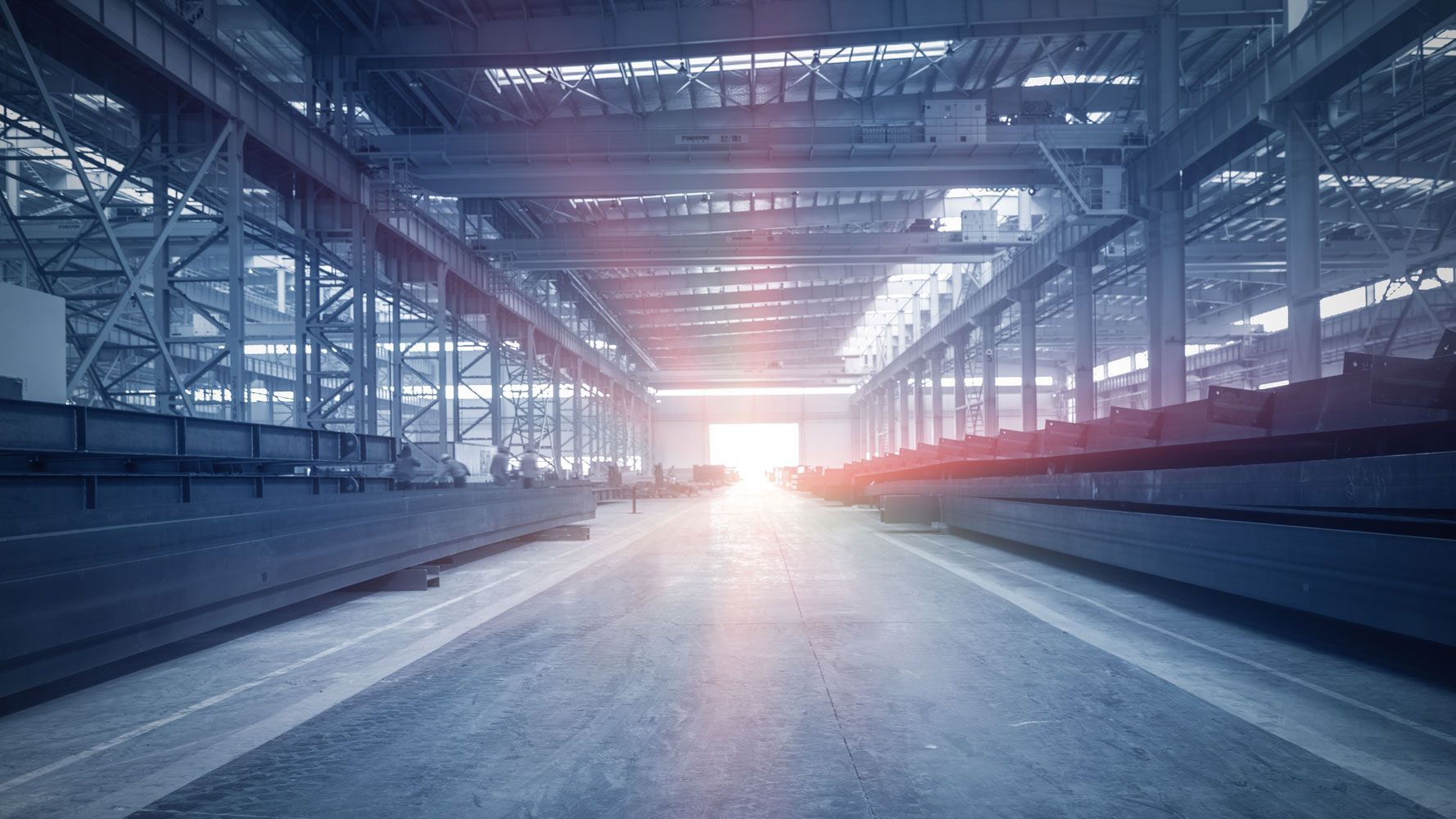
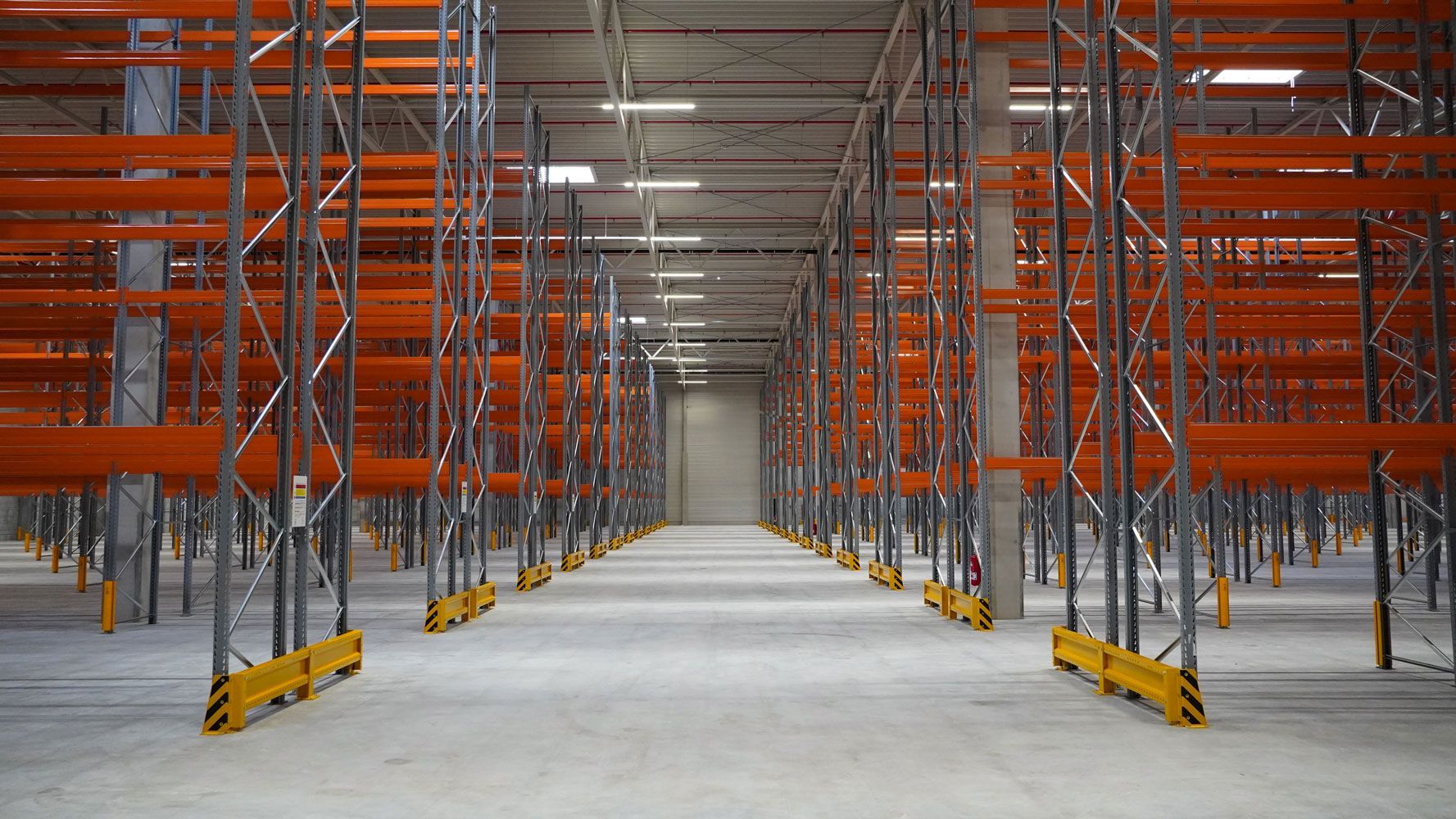
This is where farm metal buildings change the game through "clear-span" design. By using high-strength steel frames, these buildings can span massive distances (sometimes over 200 feet) without a single interior support column. This creates a wide-open floor plan that allows you to organize your shop based on your workflow, not based on where the posts are. You can pull in, turn around, and park equipment with ease. For livestock producers, this open space means better airflow and more flexible housing layouts, which directly translates to healthier animals and better yields.
Speed and Efficiency in the Build Process
In the world of agriculture, timing is everything. You can't afford to have a construction crew taking up space and creating a mess on your property for six months while they slowly stick-frame a barn. The old way of building is prone to weather delays, material shortages, and human error. If the crew gets rained out for a week, your project sits, and your equipment stays out in the elements.
Steel buildings offer a much more streamlined path. Most of these structures are pre-engineered, meaning every bolt hole is pre-drilled, and every beam is cut to the exact millimeter in a controlled factory environment. When the kit arrives at your farm, it’s a matter of assembly, not a guessing game. This means the building goes up in a fraction of the time required for traditional builds. You get your crops under cover faster, your shop set up sooner, and your crew back to the work that actually makes you money.
Protecting Your Bottom Line: The Economic Reality
Let’s talk about the money, because at the end of the day, a farm is a business. While the initial cost of a high-quality steel building might be comparable to a high-end wood structure, the long-term ROI isn't even a contest. One of the biggest savings comes from insurance. Because steel is non-combustible, many insurance carriers offer significantly lower premiums for steel farm buildings. Fire is a constant threat on a farm; things like dry hay, fuel storage, and electrical equipment are a dangerous mix. Having a building that won't contribute to the spread of a fire is a massive safety and financial advantage.
Then there is the maintenance, or rather, the lack of it. A wooden barn needs to be scraped and painted every few years to keep it from looking like a ruin. You have to check for pest infestations and replace rotted boards regularly. With a metal building, the finish is typically a high-grade, baked-on silicone-protected polyester that is designed to resist fading and chalking for thirty years or more.
Aside from the occasional wash-down with a hose, these buildings are virtually maintenance-free. That’s time and money you get to keep in your pocket.
Creating a Controlled Environment for Livestock
For those in the livestock sector, the building isn't just a roof, it’s a life-support system. Whether you are managing a dairy herd or raising hogs, the interior climate is a major factor in animal health.
Steel buildings are incredibly easy to insulate effectively. Because of the depth of the wall cavities in a steel frame, you can install thick, high-R-value insulation that keeps the building cool in the July heat and holds warmth during a January freeze.
Sanitation is another huge win for steel. Wood is porous, meaning it can harbor bacteria, viruses, and parasites deep within the grain. If you have a disease outbreak in a wooden facility, it is incredibly difficult to clean the structure truly. Steel surfaces are non-porous and can be hit with high-pressure washers and disinfectants without damaging the material. This makes it much easier to maintain the bio secure environment that modern animal husbandry demands.
Versatility and Customization: Beyond the "Grey Box"
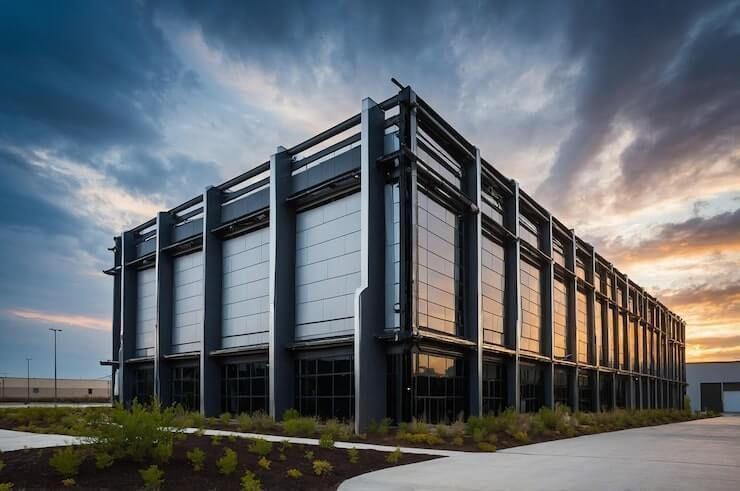
There is a common myth that all metal buildings look like boring, industrial warehouses. That might have been true in the 1970s, but today’s steel farm buildings are fully customizable. You can choose from dozens of color combinations to match your farmhouse or existing structures. You can add wainscoting for a more finished look, or incorporate large glass windows for a farm office.
Beyond the looks, the functional customization is endless. Need a mezzanine for a parts loft? Done. Want to install massive 30-foot hydraulic doors for your biggest machinery? No problem. You can add lean-tos for extra hay storage, specialized ventilation systems for grain, or reinforced floors for heavy-duty repair work. Your building is designed around your specific needs, not the other way around.
Sustainability and the Future of the Land
American farmers were the first real environmentalists. You understand better than anyone that if you don't take care of the land, it won't take care of you. Steel is actually one of the greenest building materials available. It is the most recycled material on earth. In fact, most of the steel used in your new building likely contains a high percentage of recycled content.
Unlike wood, which eventually ends up in a landfill when it rots away, steel is 100% recyclable at the end of its life. Furthermore, the energy efficiency of a well-insulated metal building reduces the amount of fuel or electricity needed to keep your shop or livestock facility at the right temperature. It’s a building choice that respects the environment you work in every day.
Scalability: Growing with Your Operation
Agriculture is never static. The equipment you use today might be replaced by something even larger five years from now. One of the best features of steel construction is how easy it is to expand. If you need more space, you can often remove an endwall and add more bays to the existing structure without having to tear anything down. It’s a future-proof investment that allows your infrastructure to grow at the same pace as your business.
Conclusion
Building for the future requires a shift in perspective. While we will always respect the history of the traditional American barn, the modern producer needs the durability, safety, and efficiency that only steel can offer. B.T. Steel Contractors, LLC is committed to providing American farmers with structures that are as hardworking and resilient as they are.
We know how to build the perfect thing, whether you need a big storage space for your harvest, a barn for your cattle, or a safe workshop for your fleet. Call B.T. Steel Contractors, LLC today at https://www.btsteel.net/ to talk about your next project and start building a legacy that will last for generations.