How to Choose a Commercial Metal Building Contractor
Choosing a contractor for your business expansion isn’t like picking a place for lunch. If you get a bad sandwich, you’re out twelve bucks, and you might have a stomach ache for an afternoon. If you pick the wrong team to put up your new warehouse or office, you’re looking at years of headaches, blown budgets, and a building that might leak every time it rains.
We’ve been writing about this industry for twenty years, and if there’s one thing we’ve learned, it’s that steel and metal construction is a different beast entirely. It’s not like wood framing. It requires precision, heavy equipment, and a specific set of skills that your average general contractor might not have. You need a specialist.
But type “metal building guys near me” into Google, and you’ll get a million results. Some are national chains selling kits, some are local guys with a truck and a welding torch, and some are the real deal. How do you sift through the noise?
1. Look for “Dirt to Roof” Responsibility
This is the biggest secret in the industry, and nobody talks about it enough.
In a typical construction project, you might have one company doing the excavation, another pouring the concrete slab, and a third erecting the steel. Sounds efficient? Everyone stays in their lane.
Here is what actually happens: The concrete guy pours the slab a few inches off because he didn't read the steel specs closely. He gets paid and leaves. The steel crew shows up two weeks later, looks at the foundation, and says, “We can't build on this. It’s not square.”
Now you’re stuck in the middle. The steel crew blames the concrete crew, while, the concrete crew blames the excavators. Meanwhile, your project is stalled, and your wallet is bleeding.
Why Single-Source Accountability Matters
When you are vetting a steel building contractor, ask them point-blank: “Do you handle the concrete work yourself?”
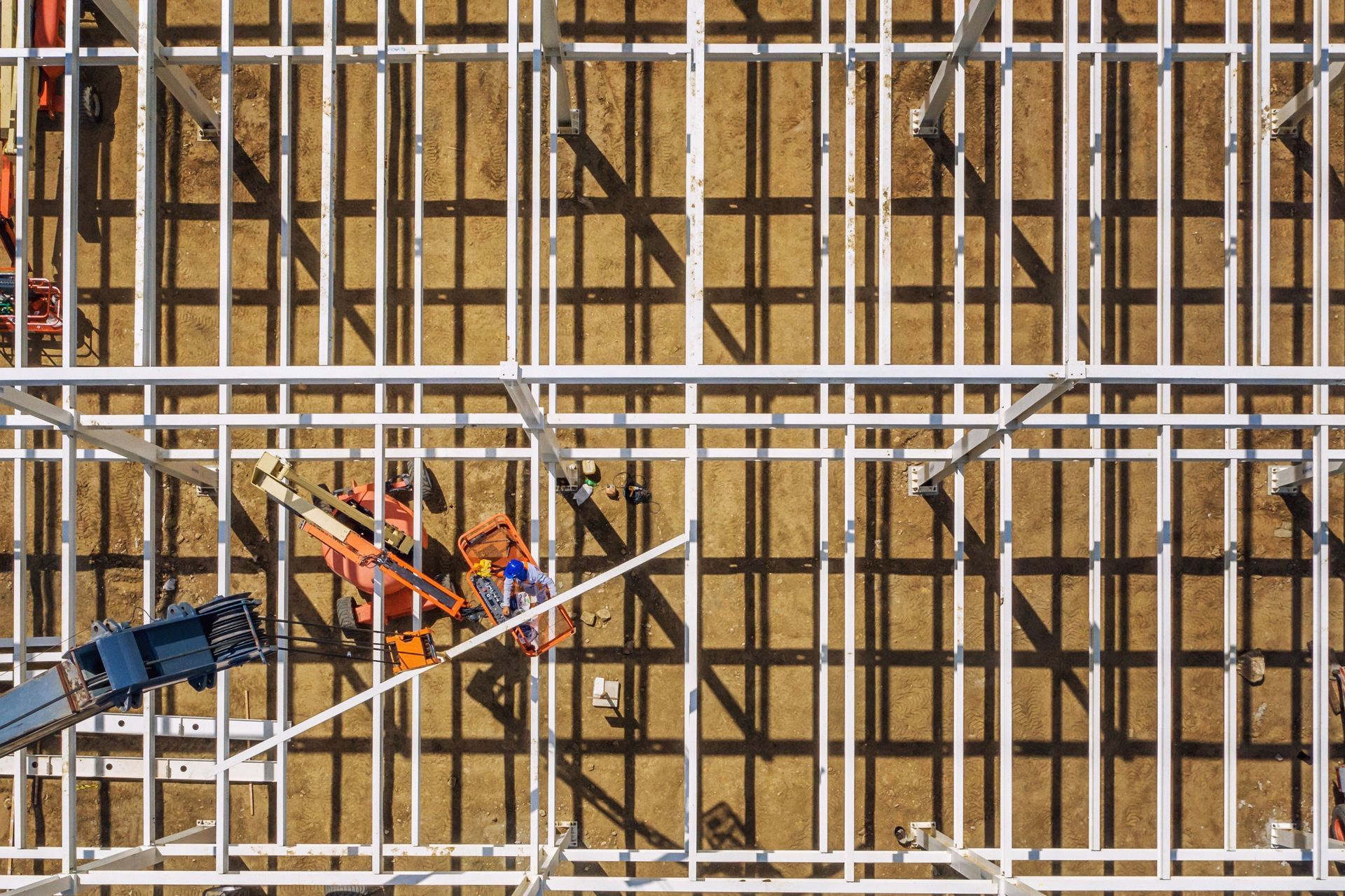
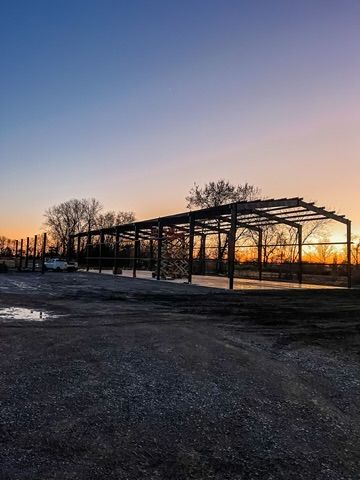
The best companies, like B.T. Steel Contractors LLC, often handle the site preparation, the concrete, and the steel erection. When one team owns the whole process:
- There is no finger-pointing: If the anchor bolts are in the wrong spot, it’s on them to fix it, not on you to mediate a fight between subcontractors.
- Schedules stay tight: We don't have to wait for a third-party concrete crew to finish; we control their own timeline.
- Quality control is higher: The guys pouring the concrete know exactly what the steel guys need because we work together every day.
2. Experience is More Than Just a Number
We have years of experience. But you need to dig a little deeper. Installing a backyard carport is technically “metal building experience,” but it doesn't qualify someone to build a ‘20,000 square foot’ commercial distribution center.
You want a crew that has weathered the storms, literally and figuratively. A company with 30 years in the game has seen it all. We know what happens to steel when the temperature swings forty degrees in a day. We know how to handle the red tape of local zoning laws in places like Dyer County or the Missouri Bootheel.
Experienced contractors can look at a set of plans and spot issues before a single beam is ordered. We might say:
- “Hey, for the wind load in this area, we should probably beef up this frame.”
- “If you move this bay door two feet to the left, you’ll save yourself a fortune on grading.”
That’s the kind of insight you are paying for. You aren't just paying for labor; you’re paying for the mistakes we won't make because we learned those lessons two decades ago.
Red Iron vs. Pre-Engineered: Do we Know Both?
If a contractor tries to shoehorn you into one specific type of building without asking about your needs, run. There are different ways to do this stuff, and a versatile metal building company should know them all.
- Pre-Engineered Metal Buildings (PEMB): Fantastic for warehouses, clear-span interiors, and quick erection.
- Red Iron Steel: The heavy-duty backbone of industrial America, perfect for massive load-bearing capacity and longevity.
- Barndominiums: A hybrid style that needs to look nice but also function as a workspace or home.
If we only have one tool in our toolbox, we’re going to treat your project like a nail, whether it is one or not.
3. Local Knowledge Beats National Reach
There are plenty of massive, national companies that will ship a metal building kit to your job site in a few trucks. We might even have a list of “approved installers.” The problem? That kit was designed by an engineer in a cubicle a thousand miles away who has never set foot on your land.
Construction is local. The soil composition in Southwestern Kentucky is different from that in Arizona. The snow loads in Northeastern Arkansas are different from those in Florida. A local or regional contractor understands the specific challenges of your geography.
Why Local Matters:
- Soil Conditions: We know that the soil in the Mississippi River bottoms can be tricky and requires specific foundation prep.
- Logistics: We know which roads can handle the heavy delivery trucks and which ones have low bridges.
- Relationships: We know the local inspectors and codes, which can speed up the permitting process significantly.
B.T. Steel, for instance, operates across Tennessee, Missouri, Kentucky, and Arkansas. That’s a sweet spot. We are big enough to handle massive commercial projects but local enough to know the lay of the land.
4. The Ghosting Factor
Nothing kills a project faster than bad communication. We have all heard the horror stories: the deposit is paid, the ground is broken, and then, silence. The contractor stops answering the phone. The crew shows up on Tuesday, skips Wednesday, and leaves early Thursday.
During the vetting process, pay attention to how we treat you before you sign the contract.
- Do we return calls promptly?
- Is their quote detailed, or is it just a number scribbled on a napkin?
- Do we have a dedicated project manager?
A professional operation understands that this is a business transaction. We should be able to give you a clear timeline: “Site prep starts on the 1st, concrete on the 10th, steel arrives on the 15th.” Obviously, weather happens. Delays happen. But a good contractor calls you before you notice nobody is on site to explain what’s going on.
5. Check the Portfolio (And Look for Variety)
Don’t just look at the glossy photos on the home page. Ask to see a variety of projects.
If you are a commercial entity, you want to see that we have built retail spaces, offices, and industrial plants. If we had only built farm sheds, we might struggle with the electrical and plumbing integration required for a modern office complex.
What to Look for in Photos:
- Trim Work: Does the trim look straight and tight?
- Gutters: Are we seamless and properly pitched?
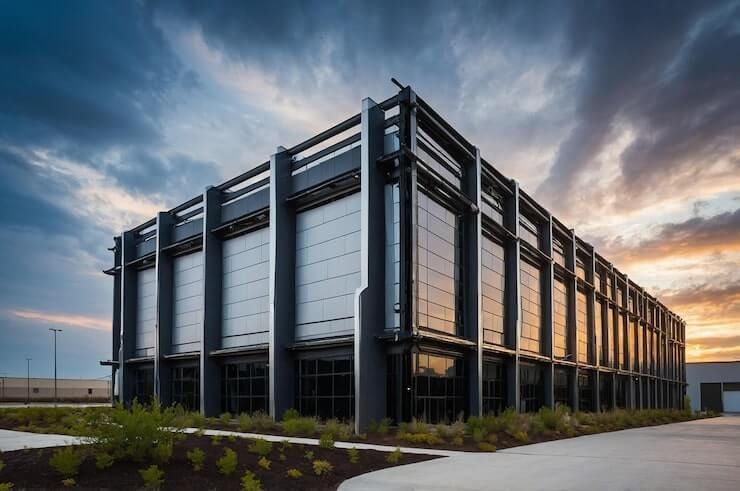
- Integration: Does the building look like it belongs there, or does it look like a tin can dropped in a field?
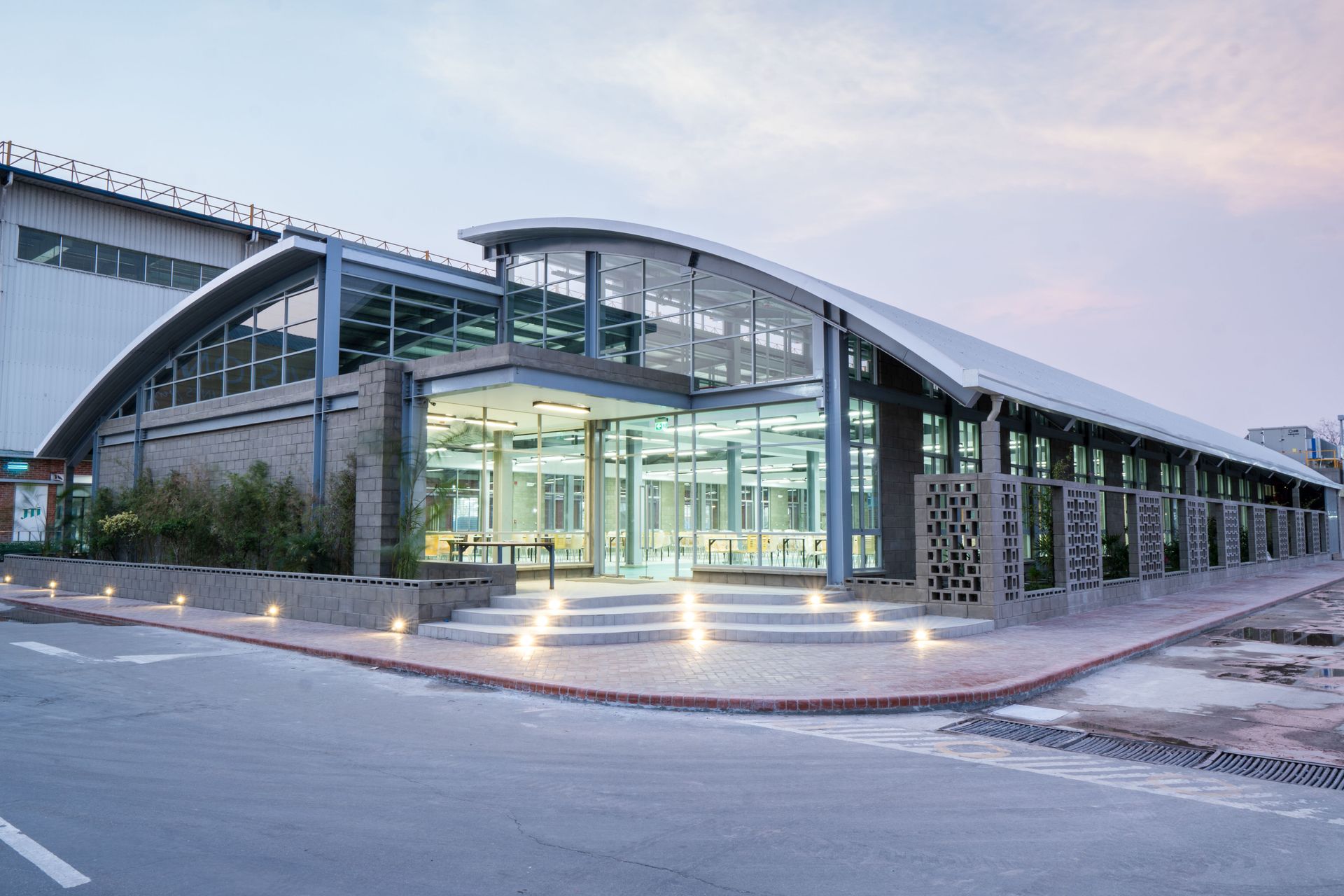
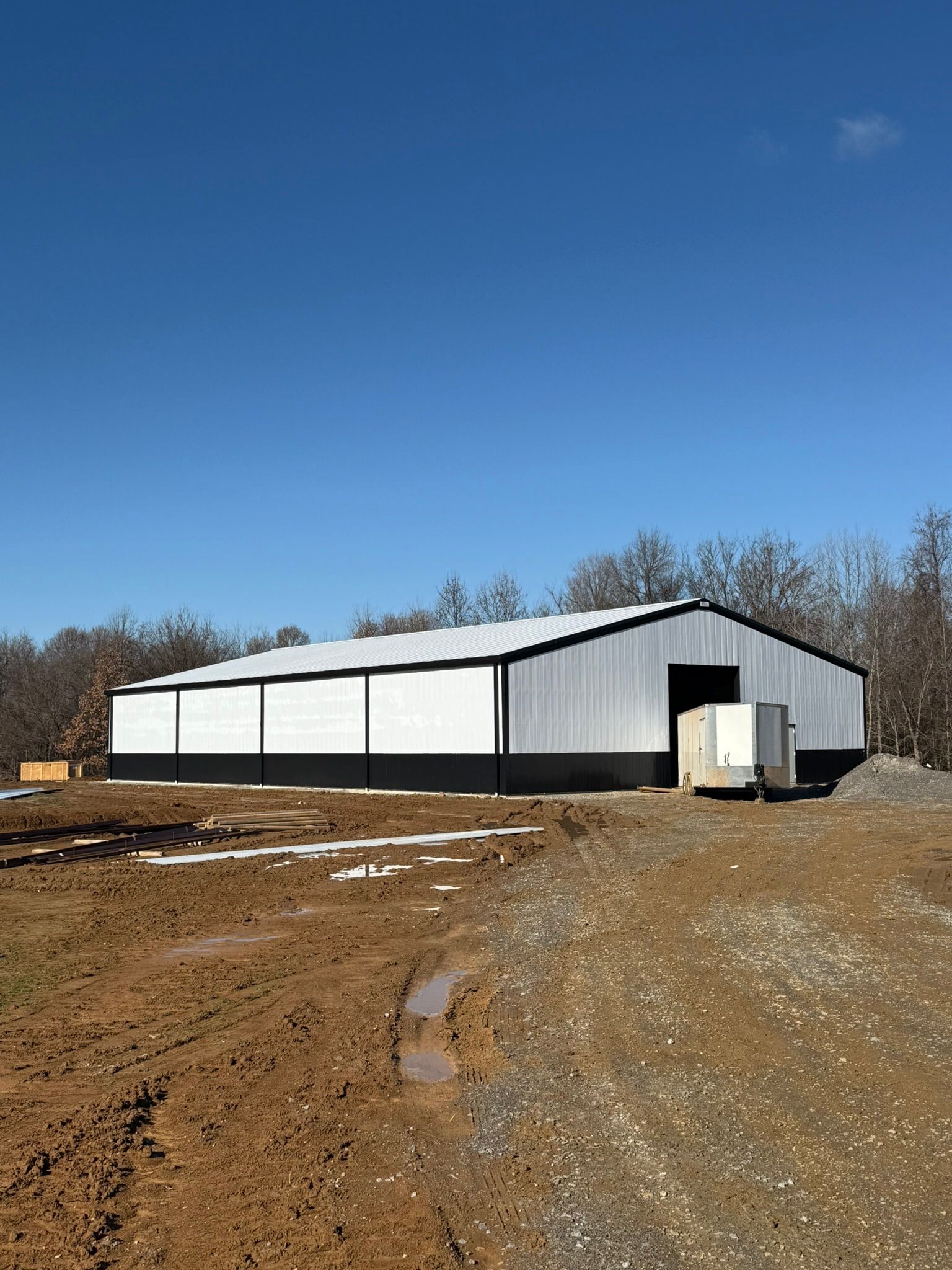
For example, B.T. Steel showcases everything from “Red Iron” industrial buildings to “Steel Barndominiums” and workshops. That variety tells you we have a deep bench of talent. It means we have guys who can do the heavy lifting of structural steel and guys who have the finesse for the finishing touches.
6. Safety and Insurance
This is the boring part, but it’s critical. Steel construction is dangerous work. We are talking about heavy beams swinging in the air, welding sparks, and working at heights.
If a contractor is cutting corners on safety, we are a liability to you. If a worker gets hurt on your property and the contractor doesn't have the right insurance or workers' comp, guess who the lawyers are coming after?
The “Must-Have” Checklist:
- General Liability Insurance: Protects your property if we damage it.
- Workers' Compensation: Protects you if a worker gets hurt.
- Proper Licensing: Ensures we are legally allowed to build in your state.
A professional outfit is proud of its safety record. We don't view safety gear as an annoyance; we view it as part of the uniform. Don’t be afraid to ask for proof.
Final Thoughts
Building a commercial facility is a massive milestone for any business. It’s a sign of growth, stability, and ambition. Don’t let the dream turn into a nightmare by hiring the lowest bidder or the first name you see in the phone book.
Take your time. Ask the hard questions. Look for that “dirt to roof” capability that saves so much hassle down the road.
If you are in the Tennessee, Missouri, Kentucky, or Arkansas area, we’d recommend giving B.T. STEEL CONTRACTORS LLC a look. We have thirty years of experience, the regional know-how, and the full-service approach that separates the pros from the amateurs.
But whoever you choose, make sure we treat your business with the same respect you do. Your building is the foundation of your company’s future, literally. Make sure it’s built by hands you trust.