How Much Does a 40x60 Morton Building Cost? Complete Price Guide
Are you dreaming of expanding your property with a massive new workshop or secure equipment storage space? Understanding the exact 40x60 Morton building cost is the very first hurdle property owners face. For a standard steel shell in the USA, expect to spend $35,000 to $65,000 upfront before adding foundation and insulation costs.
Getting a firm grip on these financial expectations early prevents nasty surprises once construction begins. While people expect a simple flat rate, custom metal buildings depend entirely on your specific regional needs. Every choice you make from foundation thickness to roof pitch will directly nudge your total investment up or down.
Breaking down the core elements that dictate your budget ensures you can confidently plan your project. Let us demystify the specific cost variables, structural options, and steps to bring your American steel building to life. Knowing exactly where your dollars go is the best way to keep your project securely on track.
Evaluating the cost to build a 40x60 metal building from the Ground Up
Before adding custom garage doors or thermal windows, you need to deeply understand the basic shell pricing for your new facility. A forty by sixty footprint is widely considered the absolute sweet spot for many American property owners today. It provides 2,400 square feet of highly usable room to comfortably house heavy machinery, luxury RVs, or massive service trucks.
To keep your budget tightly in check, you must firmly track a few specific financial categories as you move through the design phase. Logically separating the raw materials from skilled labor and site preparation gives you a much more accurate financial picture. Here are the core financial pillars you need to monitor closely as you plan your new structural investment:
● Raw Building Materials: This massive category includes your primary steel I-beams, painted exterior siding, galvanized roof panels, and necessary structural hardware.
● Site Preparation: These are the initial costs associated with clearing raw land, grading the soil, and ensuring proper water drainage.
● Concrete Foundation: This covers pouring a thick, reinforced 2,400-square-foot concrete slab designed specifically to safely support incredibly heavy loads.
● Professional Labor: These are the hourly fees paid to an experienced, fully insured construction crew to safely erect the heavy steel structure.
● Interior Finishing: This covers the necessary expenses for modern spray foam insulation, commercial HVAC units, electrical wiring, and custom plumbing.
Step by Step Instructions for Planning Your Build
Taking on a massive construction project requires careful coordination to keep your daily stress completely manageable. Skipping preliminary steps can quickly lead to severe timeline delays, legal headaches, and entirely blown budgets. A structured timeline ensures your land is ready, permits are approved, and materials arrive exactly when needed.
Here is a straightforward breakdown of how to comfortably approach your new building project from start to finish. Following these basic phases takes you smoothly from the initial daydream to the final structural walk-through. We will walk you through the absolute best way to keep your massive investment perfectly on track.
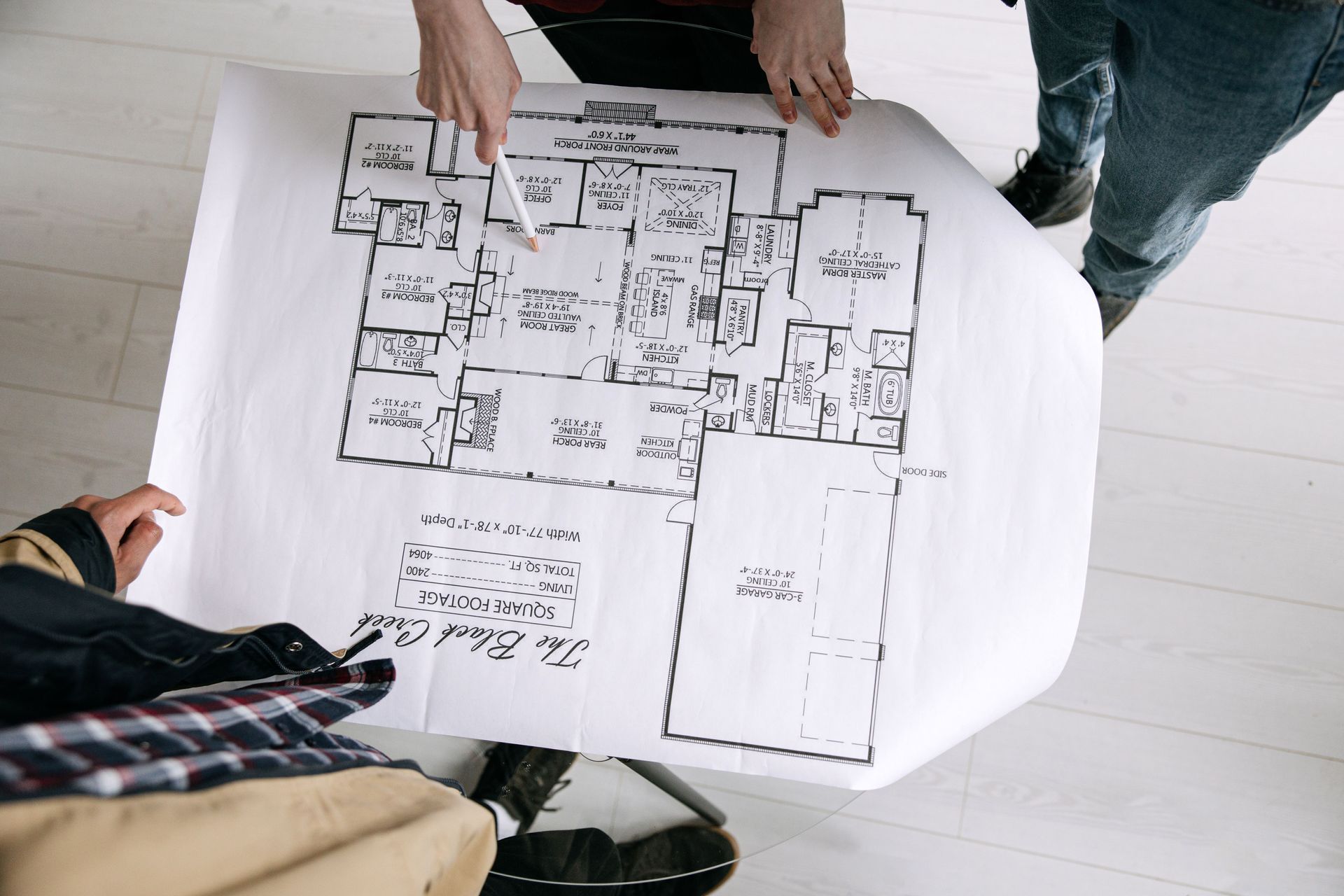
Step 1: Define Your Purpose and Specs. Start by deciding exactly how you intend to use the open interior space on a daily basis. A simple agricultural hay barn requires vastly different building materials than a climate-controlled commercial auto shop. Sketch out your ideal floor plan, noting exactly where you want large roll-up doors and pedestrian access points.
Step 2: Secure Your Permits. Before moving a single pile of dirt, you must visit your county zoning office to pull mandatory permits. Every US municipality has unique legal regulations regarding property setbacks and strict environmental water runoff rules. Getting legal clearance early actively prevents you from halting construction halfway through or tearing down an unpermitted structure.
Step 3: Prepare the Site. Bring in a reliable local excavation crew to scrape the dirt, pull out any stubborn tree stumps, and level the entire building pad. They need to pack that soil down tight so your concrete does not crack and shift down the road. It is also a lot easier to dig your utility trenches for water and electricity right now before the cement trucks show up.
Step 4: Pour the Foundation. A heavy metal building needs a serious, reinforced concrete slab to carry all that weight without bowing or sinking. Your concrete guys will set up the wooden forms, tie a tight grid of thick steel rebar, and get the mix poured. Give that fresh slab plenty of time to cure before anyone starts drilling holes for the heavy anchor bolts.
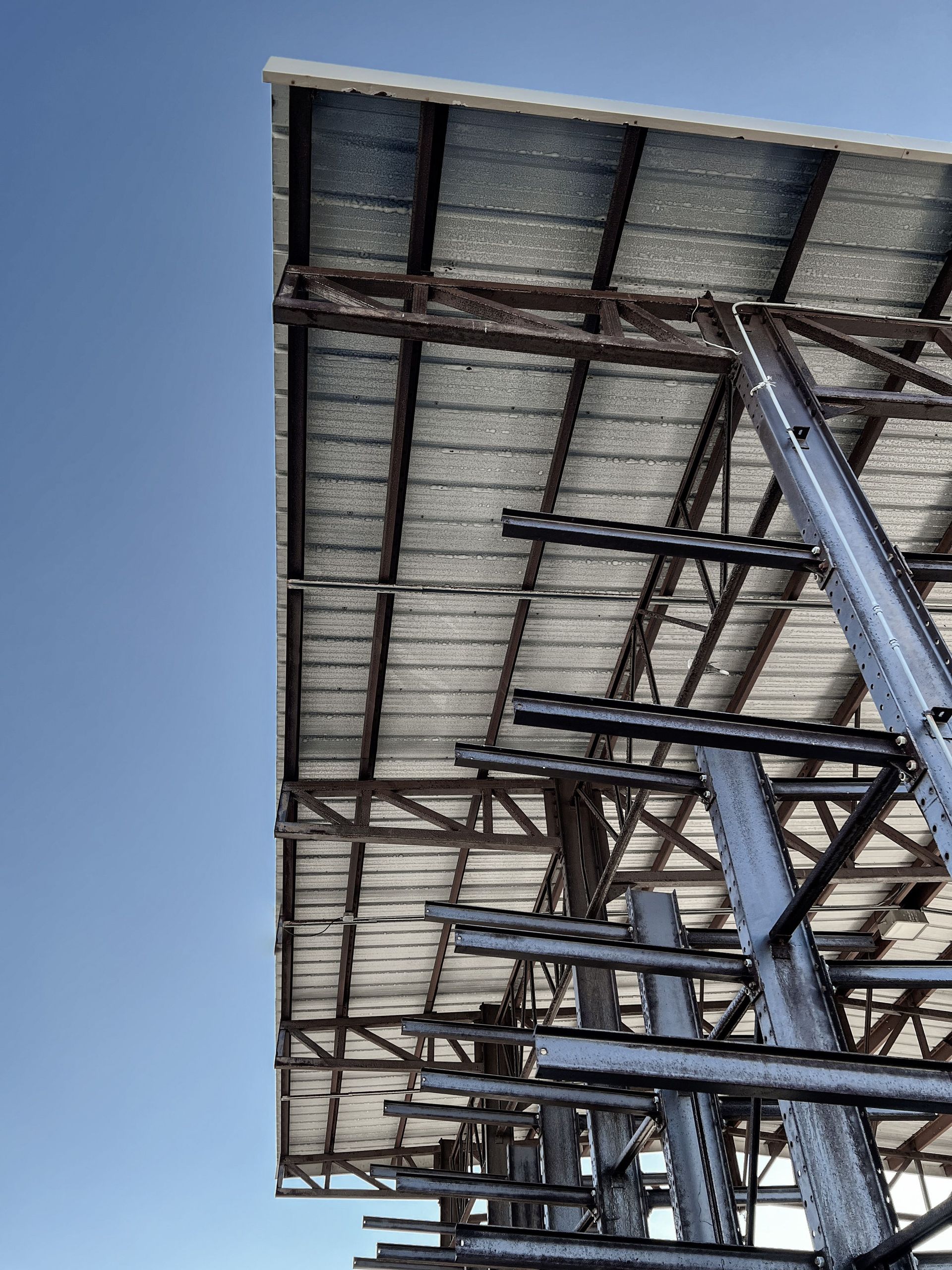
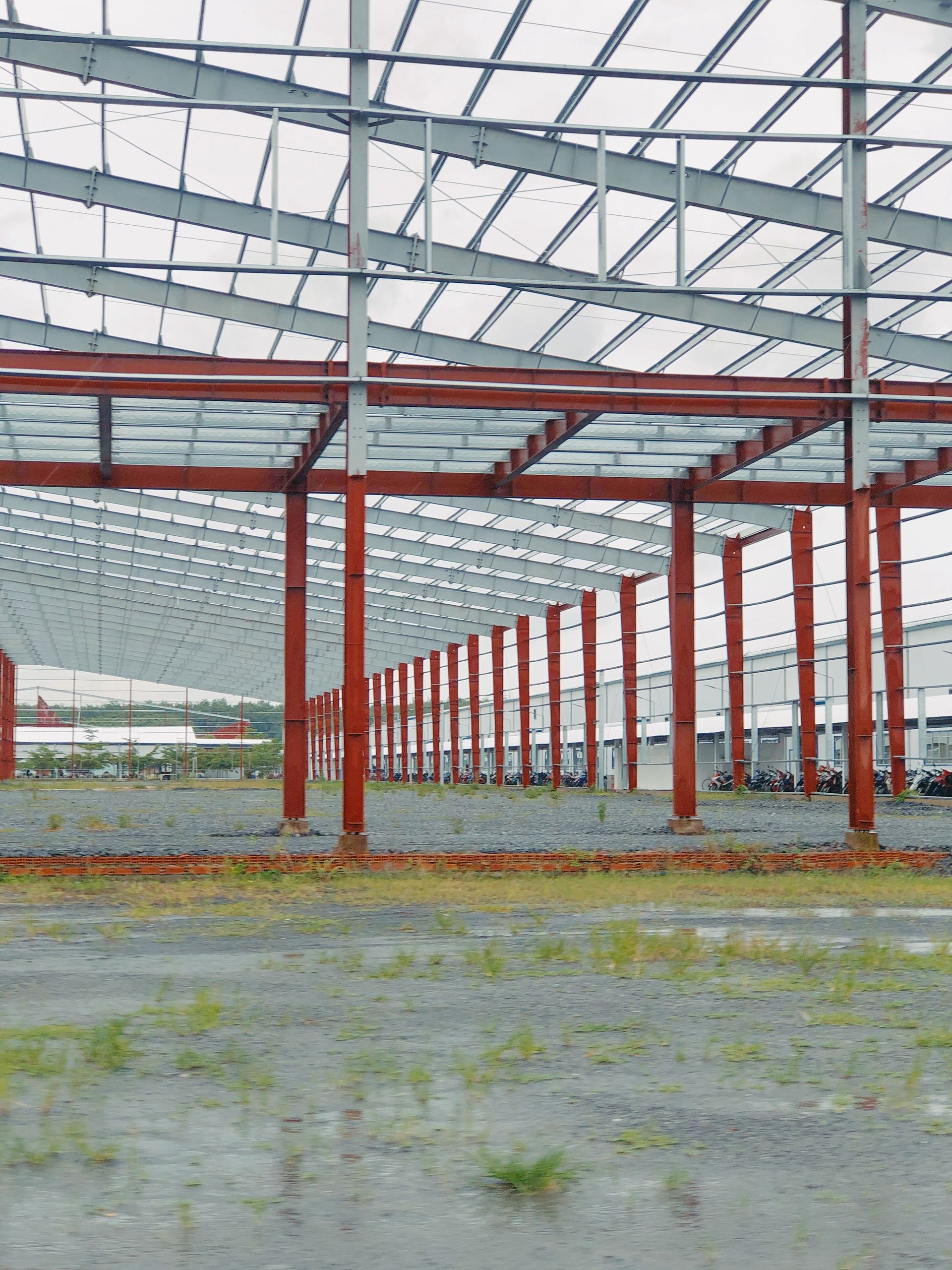
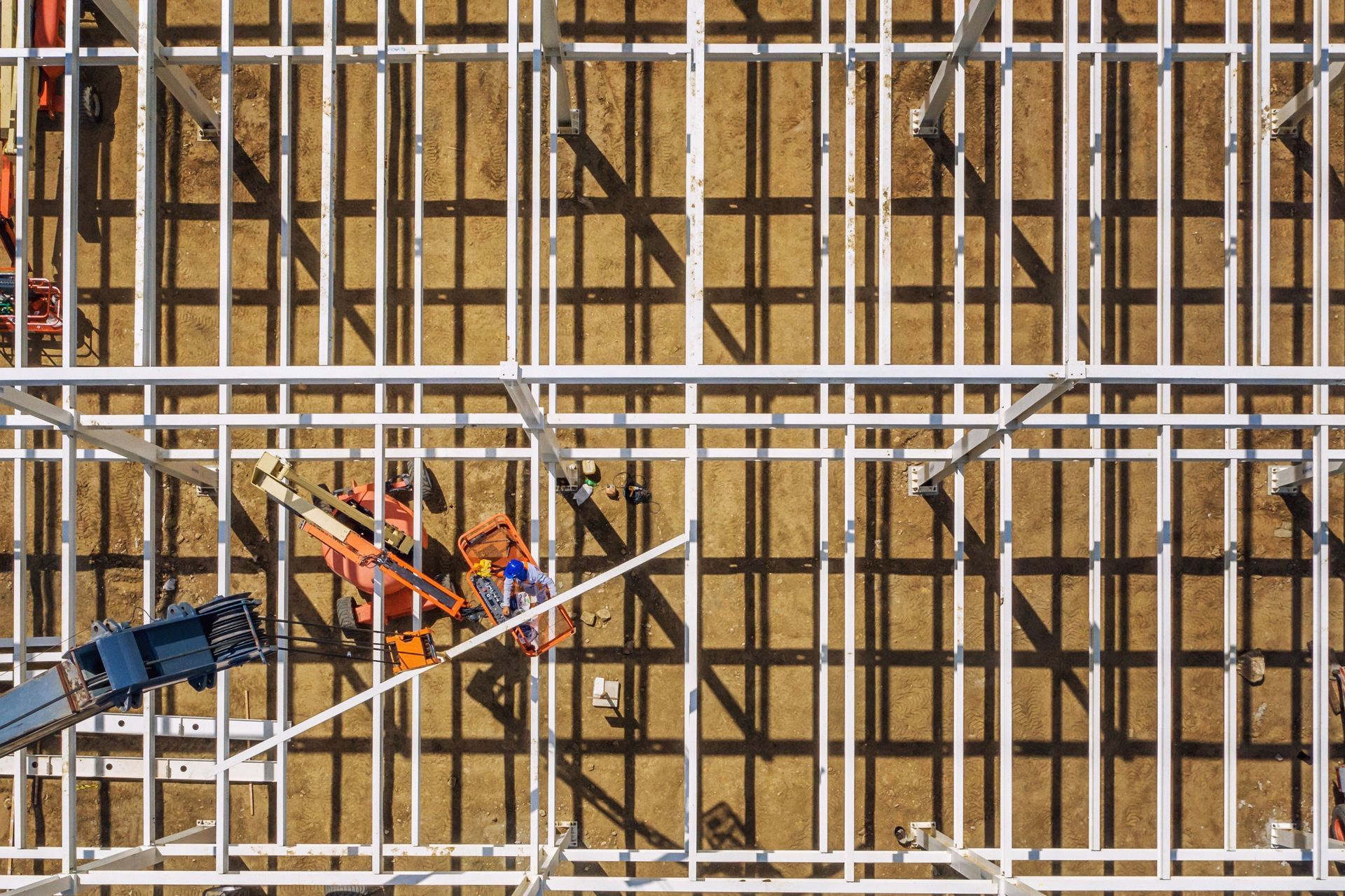
Step 5: Assemble the Structure. Once the foundation is rock solid, the steel crew rolls in with their cranes and lifts to put the puzzle together. You will see the main steel frame go up fast, followed by the roof trusses and the exterior wall panels. Standing in the yard and watching your new shop finally take shape is easily the best part of the whole job.
Comparing the Traditional 40x60 pole barn cost to Modern Steel
Choosing your structural framing material is a massive financial decision during the early design phase. Evaluating the traditional 40x60 pole barn cost against modern steel is absolutely crucial for your long-term budget. While a wooden pole barn typically runs between $36,000 and $96,000 fully installed, engineered steel offers highly competitive pricing with vastly superior durability.
A wooden pole barn unfortunately demands regular painting, weather sealing, and aggressive pest control just to remain structurally sound. While a premium steel shell might require an initial investment of around $40,000 to $65,000, your lifetime maintenance costs drop significantly. Investing in high-quality American steel gives hard-working property owners massive peace of mind against harsh local weather.
Choosing heavy-duty steel delivers a beautiful clear-span interior without annoying wooden support posts interrupting your wide-open floor plan. This completely unobstructed space lets you easily maneuver heavy agricultural equipment or set up extensive manufacturing lines without barriers. Modern steel components are completely pre-engineered at the factory, dramatically speeding up your on-site construction timeline compared to custom carpentry.
Understanding Insulation and Climate Control Needs
If you plan to spend significant time inside your new building, proper commercial insulation is an absolute non-negotiable feature. Uninsulated metal buildings easily turn into absolute ovens during sweltering summer months and freezing ice boxes in the winter. Installing standard fiberglass batts or closed-cell spray foam adds a few thousand dollars but is truly worth every single penny.
Once the massive building is tightly insulated, you must decide exactly how to efficiently heat and cool the space year-round. Installing a commercial-grade HVAC system or hanging heavy-duty gas heaters will strictly require hiring a specialized, licensed contractor. These advanced climate control systems also necessitate upgraded electrical panels to safely handle the increased daily power load without tripping breakers.
Proper climate control directly protects your stored assets from extreme temperature swings and prevents aggressive rust formation on your valuable tools. Creating a highly comfortable, well-ventilated environment is crucial if you are running a full-time business or spending long weekends turning wrenches. Careful planning of your electrical and HVAC layout during the design phase easily prevents incredibly costly retrofitting after the walls are closed.
Navigating Local Permits, Zoning, and HOA Guidelines
Before the first piece of heavy excavation machinery arrives at your property, you must actively navigate the bureaucratic maze of local building permits. Every county and municipality across the country has its own highly specific requirements, and securing these mandatory permits always comes with associated administrative fees. The cost of building permits is often based directly on the total square footage or the highly estimated financial value of the entire construction project.
You might spend anywhere from a few hundred to well over a thousand dollars just to get the legal green light to start digging. In some highly specific cases, you may also need to legally hire an independent structural engineer to strictly stamp and approve your custom building plans. This is especially common in coastal American areas prone to hurricane-force winds or mountain regions that experience incredibly heavy winter snow loads each year.
If your rural property is governed by a strict Homeowners Association, you might also face additional design fees to ensure the structure strictly matches neighborhood aesthetics. Always consult directly with your local county clerks and HOA boards very early in the planning process to avoid sudden roadblocks or unexpected legal fees. Beyond just the structure itself, you also need to factor in potential zoning requirements regarding the placement of your new driveway and utility connections.
Some counties require specific setbacks from the main road, meaning your concrete foundation must be poured a certain distance away from the property line. Failing to adhere to these strict zoning setbacks can result in massive legal fines and a forced halt to your entire construction schedule. Working closely with an experienced local contractor ensures that all site plans perfectly comply with regional laws before any actual construction begins.
Maximizing Long-Term Value and Daily Utility
When evaluating the true financial expense of a brand-new building, you must deeply look beyond the initial construction phase. Premium steel structures proudly demand remarkably low daily upkeep, easily saving you thousands in restorative maintenance over the decades. The tough baked-on enamel finishes effectively resist fading, chalking, and ugly peeling under the harsh American summer sun.
A well-built forty by sixty structure inherently adds highly substantial long-term equity to your overall family property portfolio. Potential home buyers and sharp commercial investors often view a massive, highly secure outbuilding as a premium selling feature. The initial sting of heavy construction is quickly offset by the amazing utility and property value bump it continuously provides.
Designing the interior space with future flexibility in mind is an excellent way to maximize your long-term structural investment. Consider installing oversized roll-up doors today, as you may easily upgrade to larger commercial equipment or luxury RVs later. Adding extra electrical outlets and plumbing rough-ins during the initial build perfectly guarantees your massive facility adapts to growing needs.
Frequently Asked Questions
Q. How long does it take to construct a 2,400 square foot building?
A. Once the concrete foundation fully cures, a professional crew can typically erect the heavy steel shell in just one to two weeks. However, finishing the interior insulation, complex electrical wiring, and custom plumbing will easily add several more weeks to your total project timeline. Planning for these interior finishings early on will help keep your overall construction schedule realistic and completely stress-free.
Q. Do I legally need a permit for a building of this massive size?
A. Yes, a permanent structure this incredibly large absolutely requires strict zoning and building permits in nearly every single US municipality. You must submit engineered blueprints to guarantee the structure safely meets all regional wind and heavy snow load requirements before construction begins. Skipping this crucial legal step can quickly result in heavy fines or a forced teardown by your local county.
Q. Is the concrete slab included in the initial base package price?
A. The manufacturer's low base price generally only covers the raw materials for the structural metal exterior shell itself, not the site preparation. Hiring a specialized concrete contractor to pour the reinforced foundation typically adds an additional twelve to eighteen thousand dollars directly to your budget. Always ask your primary builder for a detailed, itemized quote so you understand exactly what the base price covers.
Q. Can I customize the exterior colors to perfectly match my house?
A. Absolutely, deeply modern steel buildings offer numerous stunning architectural colors for the tough roofs, exterior walls, and sharp corner trims. You can select a highly beautiful combination that perfectly aligns with your home aesthetics, existing barns, or corporate brand guidelines. Matching your new facility to your existing property adds immediate curb appeal and significantly boosts your overall property value.
Q. Are there great financing options available for metal building projects?
A. Many property owners comfortably finance these large builds through local agricultural loans, standard business loans, or traditional home equity lines of credit. Some large manufacturers also boldly offer competitive in-house financing programs to seamlessly break large costs down into manageable monthly payments. Exploring all your financing avenues early ensures you secure the best interest rates for your new construction project.
Start Your Custom Build with B.T. STEEL CONTRACTORS, LLC
If you are ready to stop daydreaming and confidently start building, our experienced construction team is completely here to help. Navigating the intense complexities of large-scale metal construction is exactly what we do best for hardworking American property owners. Our fully transparent pricing models ensure you know exactly where every single dollar is going throughout your entire project.
Dealing with county permits and finding reliable concrete guys is enough to make anyone put off building a new shop. We take care of those frustrating details so you can focus on filling up your new floor plan instead. Head over to BT Steel Contractors , LLC and get in touch with B.T. STEEL CONTRACTORS, LLC so we can put together a solid, honest quote for your property today.