How Long Does It Take to Build a Metal Building? The Complete Timeline
Summary:
A commercial metal building typically takes about 6–16 weeks from design through completion, with the exact timeline depending on the building’s size, complexity, permitting, fabrication, site preparation, and erection requirements. The process generally includes five overlapping phases—design and engineering, permitting, steel fabrication, site and foundation preparation, and delivery and frame erection—with permitting often being the biggest source of delay. Owners can shorten the schedule by finalizing designs early, choosing standard building kits, overlapping foundation work with fabrication, hiring experienced steel erectors, and planning for weather or supply-chain disruptions.
You finally secured funding. You bought the land. You have a clear vision for your new facility. Now, you just want to know when you can actually move in and get to work.
In the commercial construction world, waiting on unknown delivery dates causes headaches. We see it happen constantly. Clients get incredibly frustrated watching their calendar pages turn while their commercial lot just sits there, completely empty. The funny thing about steel construction? Erecting the actual frame on your job site is usually the fastest part of the entire process.
The real waiting game happens long before any delivery trucks pull up to your property. If you want to avoid costly surprises, you need to understand the distinct planning phases that dictate your schedule.
If there is one question we hear at the start of every single project, it is this: how long does it take to build a metal building? Instead of giving you a generic guess, we prefer to lay out the actual step-by-step schedule, look at realistic completion times based on your exact square footage, and share a few insider strategies you can use to drastically speed up your timeline.
The Short Answer: Average Metal Building Construction Times
Your total timeline depends largely on square footage and design complexity. A standard, open-concept warehouse moves fast. If your plans include specialized loading docks, heavy crane supports, or custom interior mezzanines, you need to add extra time to the clock.
Here are the baseline expectations for total project timelines based on square footage.
| Project Size | Estimated Square Footage | Total Timeline (Start to Finish) |
|---|---|---|
| Small Workshop | 3,000 sq ft | 6 - 8 Weeks |
| Medium Warehouse | 10,000 sq ft | 8 - 12 Weeks |
| Large Industrial | 50,000+ sq ft | 12 - 16+ Weeks |
Keep in mind that these numbers represent the best-case scenario for standard structures. Adding custom roll-up doors, heavy-duty insulation, or specialized facade finishes will push your completion date toward the higher end of those ranges.
The 5 Phases of the Metal Building Construction Timeline
Every successful project follows a strict, step-by-step sequence. Knowing exactly how these phases work helps you track progress and hold your contractors accountable.
Phase 1: Concept, Design, and Engineering (1–4 Weeks)
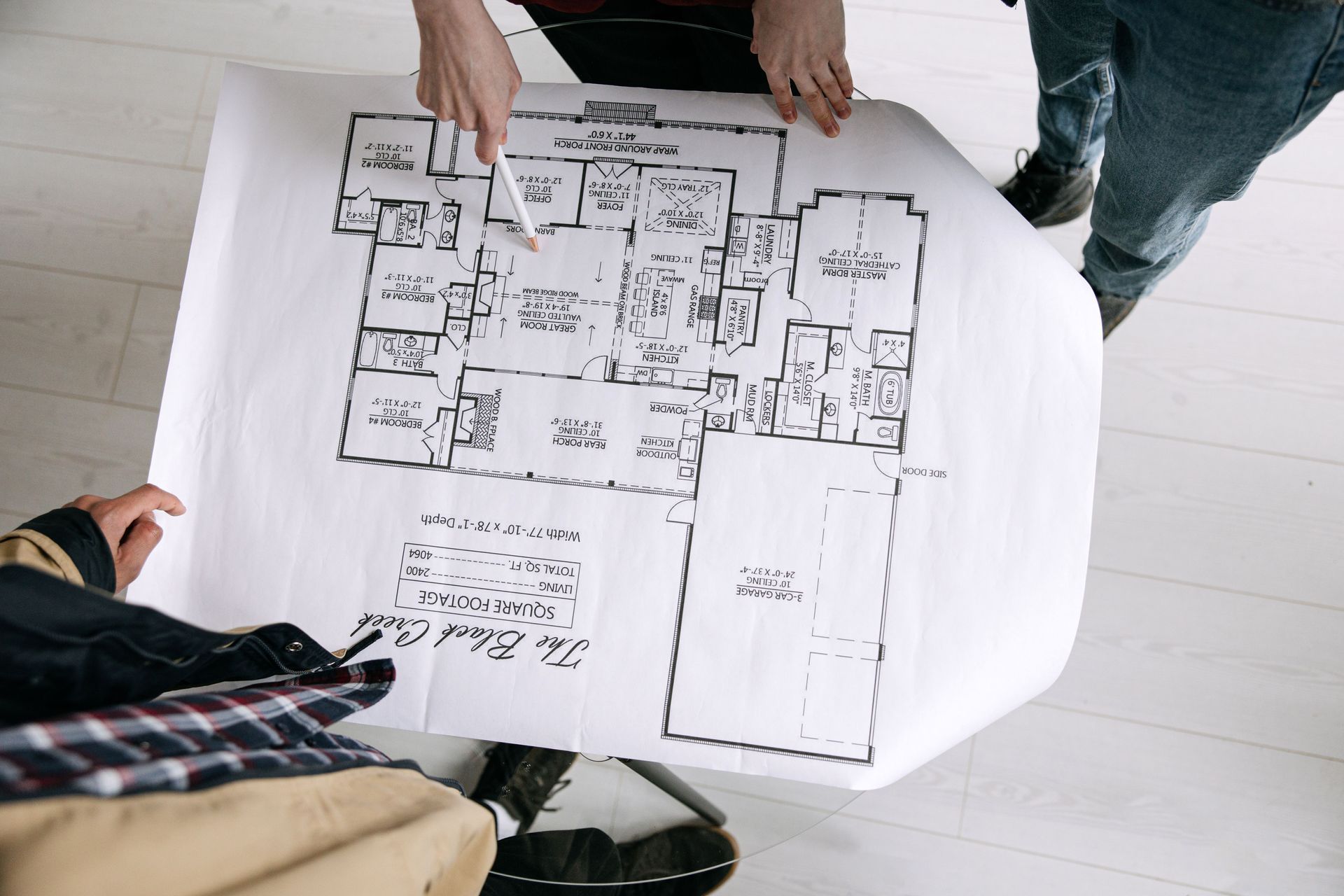
Before anyone cuts a single piece of steel, engineers have to map out the math. During this initial stage, structural engineers calculate your exact footprint, column bay spacing, and regional load requirements. They account for the specific snow and wind loads in your zip code.
Once they finish, they hand the preliminary structural plans over to you. Approving those engineering drawings quickly is the single most important thing you can do as a buyer. The factory simply cannot move forward without your signature.
Expert Insight: Look over your initial layouts the day you get them. Overthinking minor aesthetic details at this stage routinely causes massive manufacturing delays. Sign the papers and keep the project moving.
Phase 2: Permitting and Local Approvals (1–12+ Weeks)
Welcome to the biggest bottleneck in commercial construction. Local building departments control this phase entirely, and they work at their own pace.
City reviewers take your PE-stamped drawings and check them against strict regional zoning laws. We highly recommend submitting your documents the absolute minute your drawings get stamped. High workloads at the local planning office can easily stall a project for a month or more.
Common Mistake: Never assume a city inspector will approve your permit in a week. Always budget at least a full month for standard bureaucratic red tape.
Phase 3: Fabrication and Manufacturing (3–10 Weeks)
The steel mill takes over right after your plans get city approval. Factory workers spend this entire window cutting, drilling, welding, and prepping your raw structural steel components.
Design complexity dictates the speed here. Standard clear-span frames fly through the manufacturing line. Highly custom architectural designs require manual, hands-on detailing by specialized welders, which extends your factory lead time.
Pro Tip: Stick to standard factory paint colors. Requesting a custom color match often forces the factory to set up a completely separate production run, which slows down your final delivery.
Phase 4: Site Preparation and Foundation (1–4 Weeks)
Here is the good news: you do not have to sit around waiting while your building is at the factory. Site prep overlaps directly with the fabrication phase.
While the factory welds your beams, your local crew should be out on the lot moving dirt. Clearing the raw land, grading the soil, setting precise anchor bolts, and pouring the concrete slab all happen concurrently. Coordinate closely with your concrete guys. If those anchor bolts are off by even half an inch, the steel won't fit when it arrives.
Phase 5: Delivery and Frame Erection (1–4+ Weeks)
Finally, heavy freight trucks arrive on schedule, and materials get carefully staged on your lot. This is where visual progress skyrockets.
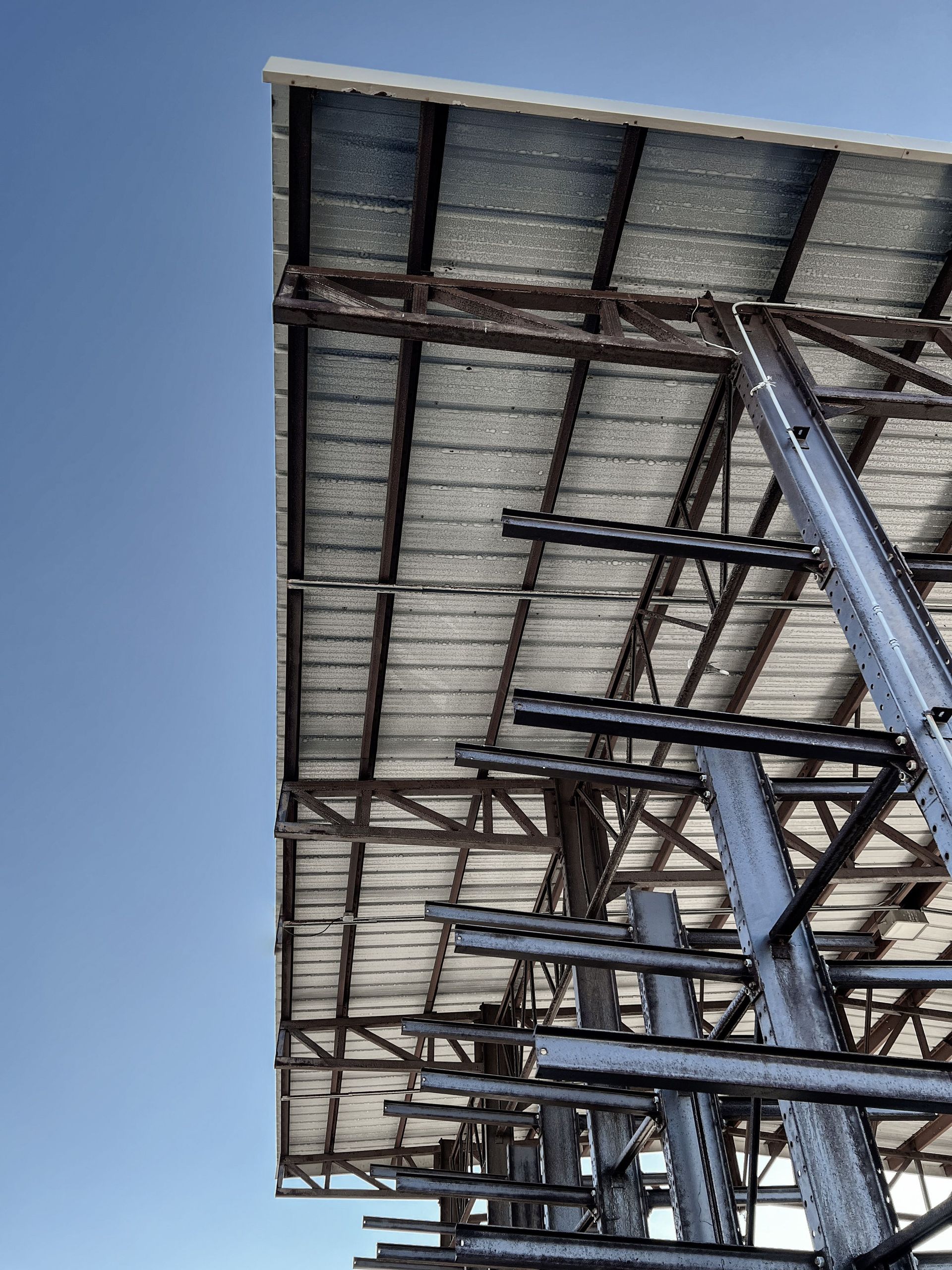
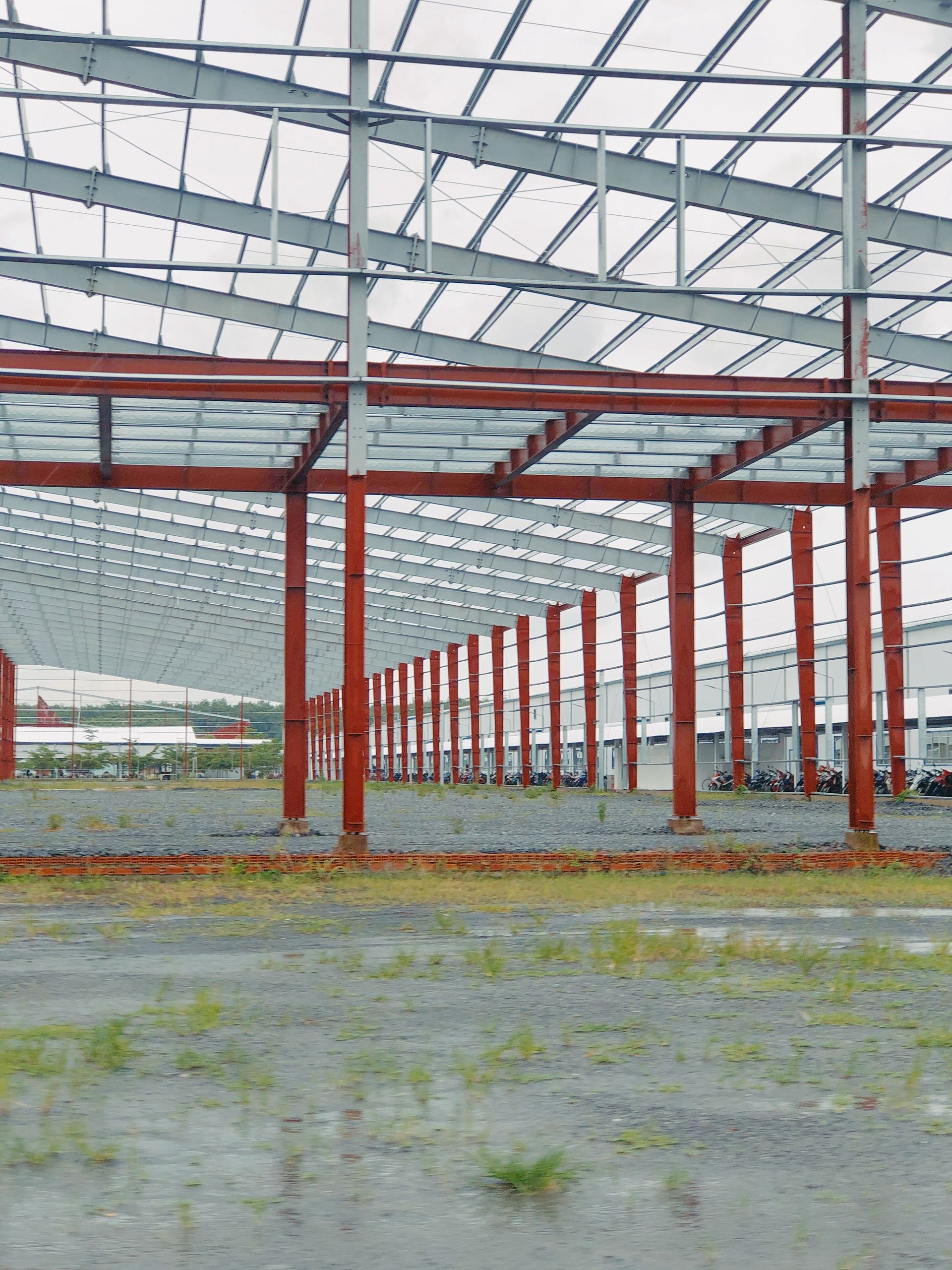
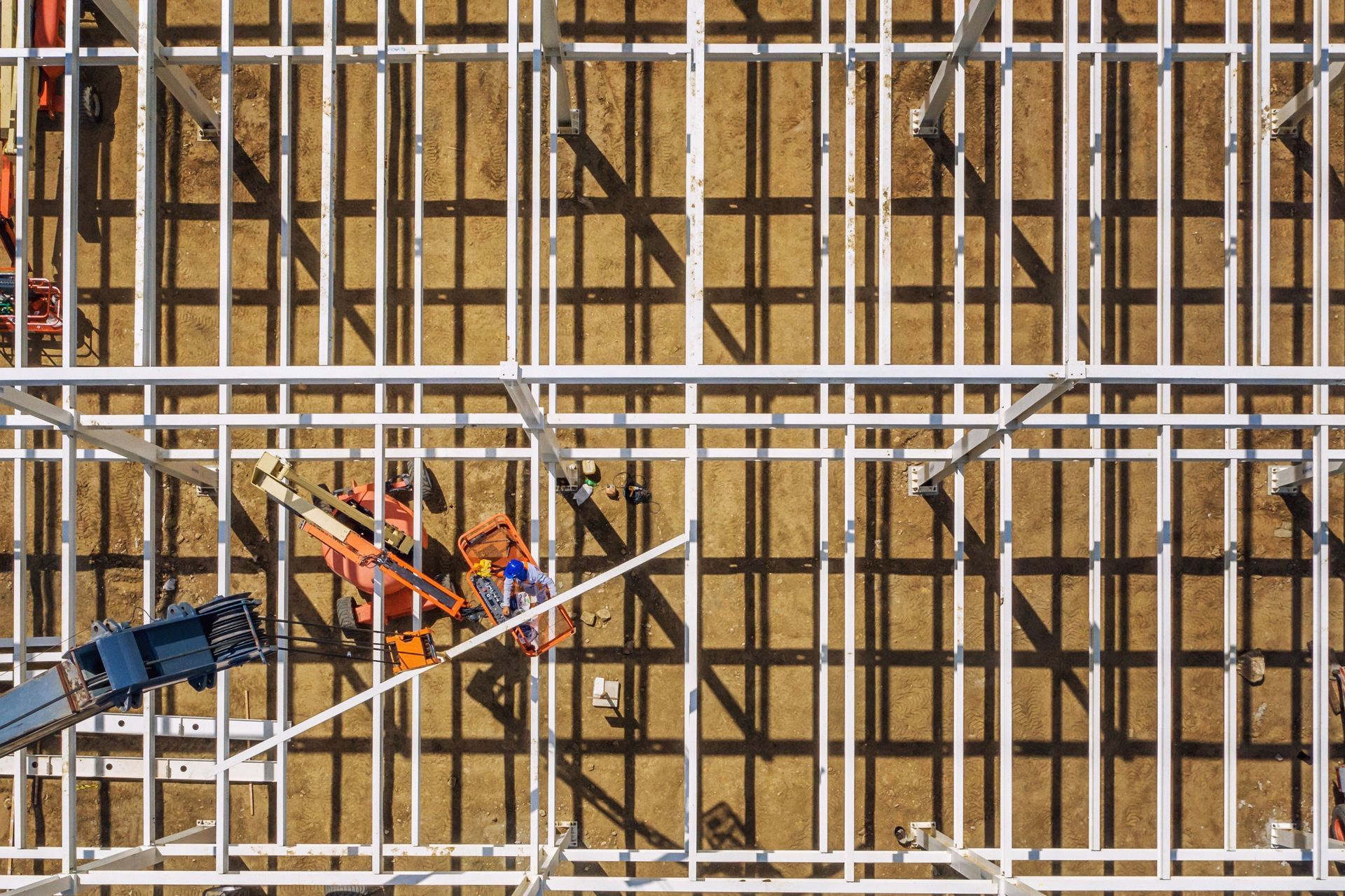
For standard pre-engineered metal buildings, erecting the primary frames and installing the roof panels takes just a few days to a few weeks. Rigging crews use heavy cranes to lift huge steel I-beams into place. Once the exterior shell is up and weather-tight, your interior finishing crews step in to handle electrical and plumbing.
5 Factors That Can Delay Your Metal Building Project
Even the best-laid plans run into speed bumps. Watch out for these highly common bottlenecks that kill construction schedules.
1. Design Changes and Revisions
Every time you change the blueprint, you restart the engineering clock. If you decide to move a garage door two feet to the left after plans are submitted, the engineers have to completely recalculate the load-bearing math. Figure out what you want early and lock it in.
2. Local Permitting Red Tape
City inspectors get backlogged. It is just a fact of the industry. Strict municipal codes, historical district rules, or specialized environmental impact studies frequently pause commercial projects. You cannot control the city, but you can control how fast you submit your paperwork.
3. Weather Conditions
You cannot pour a foundation in a thunderstorm. Wet site conditions, freezing temperatures, and high winds will completely stop concrete pours and halt dangerous crane operations. Always factor the local season into your build schedule.
4. Supply Chain and Mill Lead Times
Sometimes the mill just runs short on a specific gauge of steel, or a lack of available flatbed drivers leaves your finished building sitting on the loading dock. While standard kits usually ship on schedule, these real-world freight hiccups can easily push your delivery back by a few weeks.
5. Custom Add-Ons
Adding complex structural elements takes time. Load-bearing mezzanines, heavy parapet walls, or heavy-duty industrial insulation naturally extend both the manufacturing phase and the erection timeline. Keep the design simple if rapid speed is your top priority.
How to Speed Up Your Steel Building Construction
You actually have a lot of control over your schedule. Follow these actionable steps to trim weeks off your build time.
● Finalize your design immediately: Avoid any post-approval changes. Make your structural decisions upfront and stick to them firmly.
● Choose pre-designed kits: Using standard factory dimensions bypasses the lengthy custom engineering phase entirely.
● Overlap your schedules: Get your grading and foundation crews working the exact same week your steel enters the factory.
● Hire proven specialists: General contractors without specific steel experience often take twice as long to assemble the heavy frame. Hire dedicated steel erectors.
Key Insight: The manufacturing fabrication clock officially starts when you return the approved drawings, not when you place your initial financial deposit.
Why Trust B.T. Steel Contractors LLC With Your Project Timeline?
We know that a delayed project costs you money. With years of hands-on, boots-on-the-ground experience erecting hundreds of complex steel structures, our dedicated project managers know exactly how to spot potential delays before they happen.
We expertly handle the heavy lifting between the engineering department, the fabrication plant, and the final erection crew so you never have to manage these moving parts alone. We pride ourselves on total operational transparency. We provide highly realistic, project-specific schedules based on real field data. We will never quote an aggressively fast, unrealistic timeline just to close a sale. When we give you a schedule, we back it up with a steadfast commitment to accuracy and proven field experience.
Planning Your Next Steps
Thorough early planning is the best way to keep your next commercial metal building project moving smoothly. Knowing how the factory schedule interacts with site prep, you know ahead of time that you might have delays and plan for them. Don’t let permit confusion or engineering revisions hold up your grand opening. Take control of the process early. Contact our experienced team right now to get a highly accurate, customized timeline and a transparent quote for your specific facility.
Frequently Asked Questions
Q. How long does it take to build a metal building?
A. A complete project generally takes 6 to 16 weeks total. This timeframe heavily depends on your overall square footage and the speed of your local permit approvals.
Q. How long does it take to erect the steel frame?
A. The actual physical framing process on the job site takes between 1 and 4 weeks for a standard commercial structure, provided the weather cooperates.
Q. What is the timeline for constructing a 10,000 sq ft metal building?
A. You should expect roughly 8 to 12 weeks from your initial design concept to the final completion of the exterior steel shell.
Q. Are metal buildings faster to build than traditional wood-framed buildings?
A. Yes. The pre-engineered steel components are shipped to the site pre-cut, pre-drilled and ready to bolt together, so assembly is much faster than conventional wood framing.
Q. How long does site preparation take for a metal building?
A. Standard site preparation takes 1 to 4 weeks. You should actively schedule your dirt work to overlap directly with the factory fabrication phase to save time.
Q. Does permitting affect the metal building construction timeline?
A. Yes, permitting is the biggest wild card in construction. Local government approvals can take anywhere from a single week to over three months depending on the municipality.
Q. How long does it take to fabricate a pre-engineered steel building?
A. Fabrication usually takes 3 to 10 weeks. This manufacturing phase begins immediately following your final engineering drawing approval, not your initial deposit.
Q. Can weather delay my metal building installation?
A. Absolutely. Heavy rain, deep snow, or severe winds will immediately halt concrete foundation pours and force crews to stop necessary heavy crane lifts.
Q. What happens after a metal building frame is erected?
A. Roof and wall panels go up first to completely dry-in the structure. This is followed quickly by interior framing, electrical rough-ins, plumbing, and finishing touches.
Q. How can I speed up my steel building construction project?
A.
Finalize your building plans early, completely avoid mid-project design changes, and ensure your foundation is poured while the factory is manufacturing the steel.