Steel Warehouse vs Concrete Warehouse: Which Is the Better Investment?
The foundation of your business’s supply chain relies heavily on the roof over its head.
Think about it for a second. If your building fails, your operations stop.
Construction delays, budget overruns, and unexpected long-term maintenance costs can ruin a commercial project. We’ve seen it happen. A single bad weather month can bankrupt a poorly planned build before the doors even open.
While concrete has been a traditional staple for decades, modern engineering has completely shifted the cost-to-benefit ratio. The old rules don’t apply anymore.
When you sit down to compare a steel warehouse vs. a concrete warehouse, you need to cut through the industry fluff. What should you expect here? A totally honest, head-to-head breakdown of cost, speed, durability, and flexibility.
Whether you are pulling permits for a new steel warehouse construction job or weighing the high cost of a concrete facility, you need to know exactly what you are paying for.
Let’s look at the real-world numbers.
Quick Answer: Steel or Concrete?
Steel is significantly faster to build, far more cost-effective upfront, and incredibly easy to expand later.
Concrete offers high thermal mass and traditional load-bearing qualities. It takes a physical beating well.
But for most modern industrial brands, the choice is clear. Steel gets your operations up and running quicker, protecting your initial capital investment.
The Core Strengths of Steel Warehouses
Drive through any new industrial park today. You will see a lot of metal. There is a financial reason for that.
Advantages (Pros)
Speed of construction is the biggest selling point.
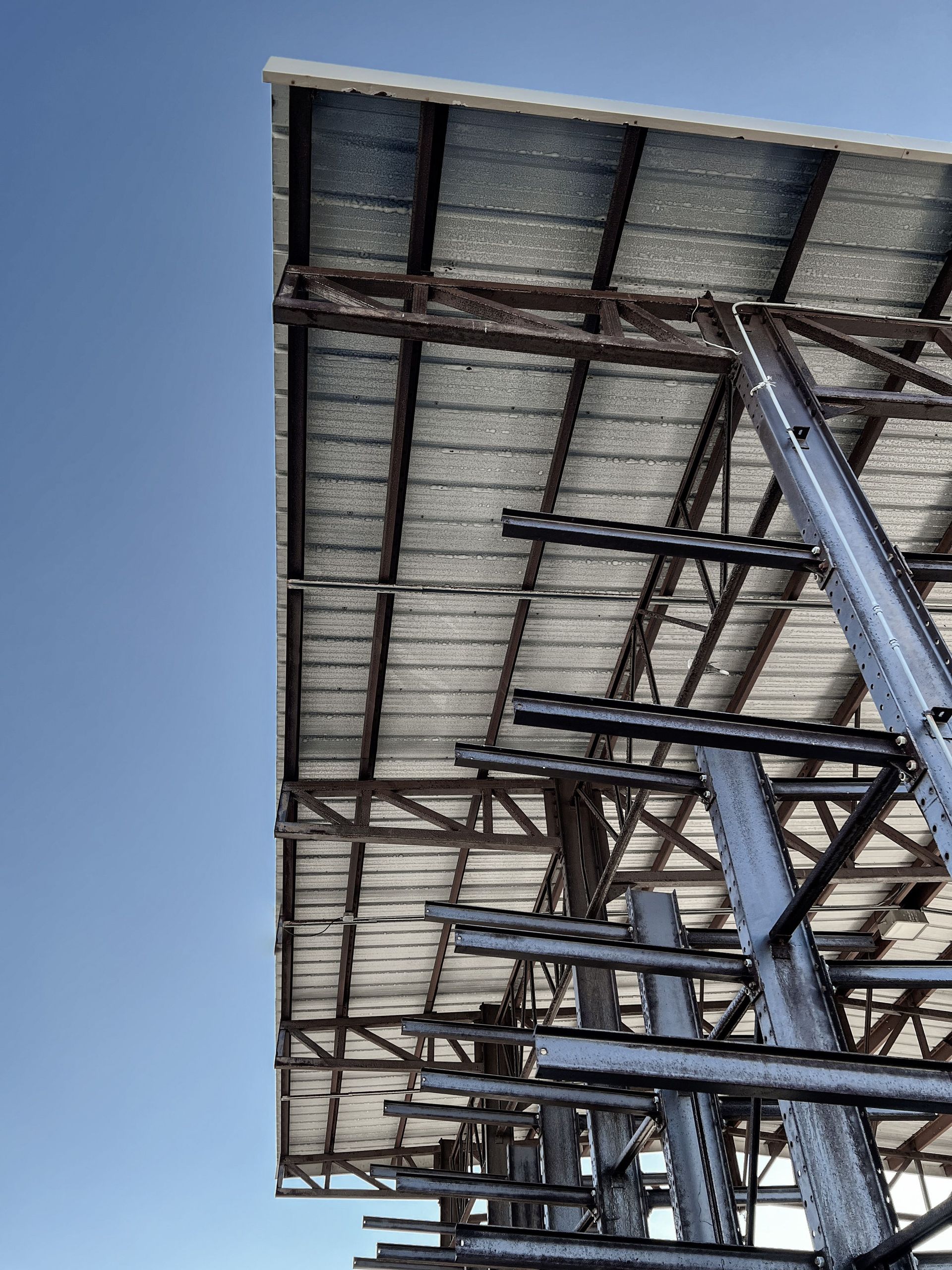
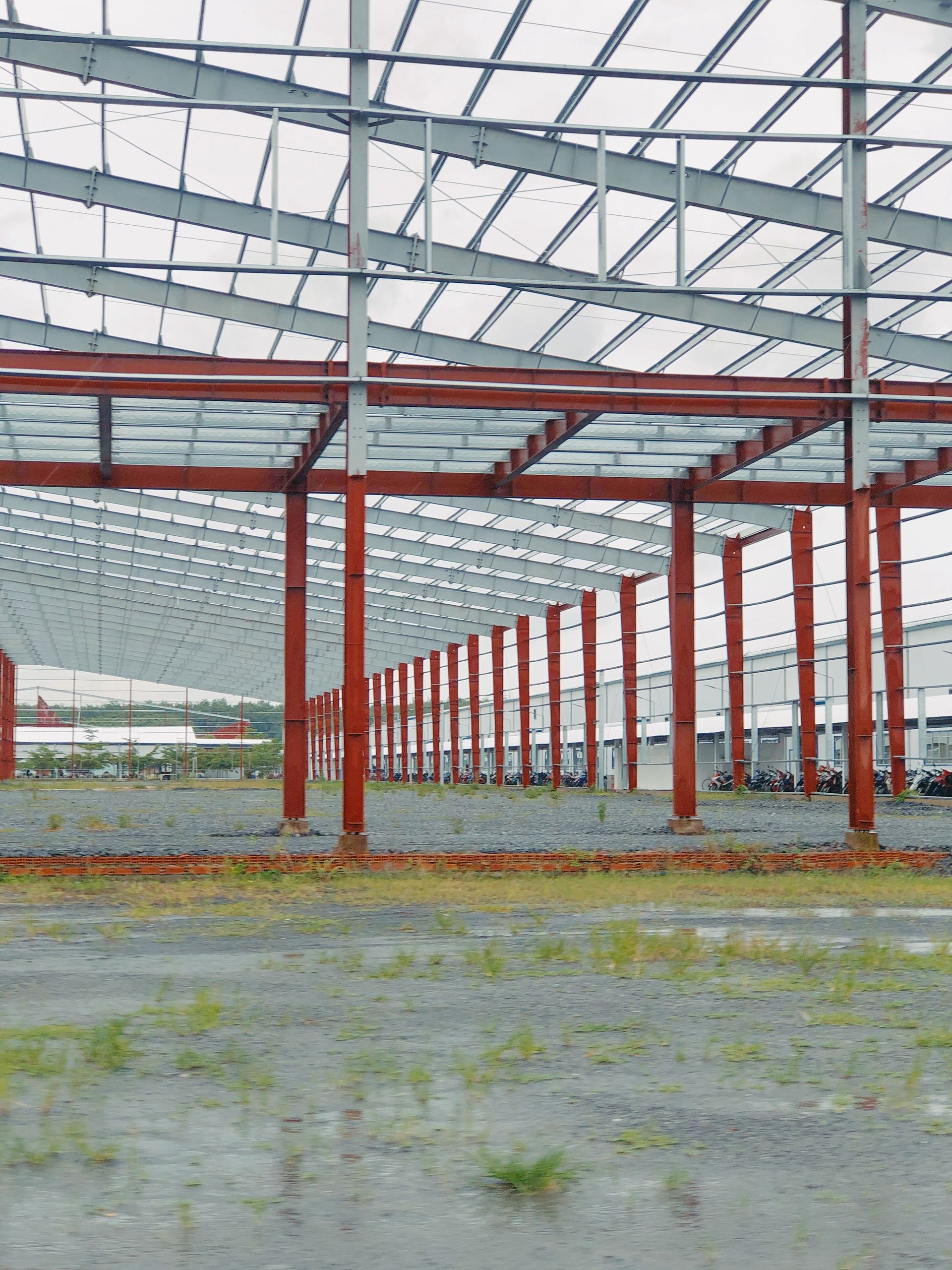
By utilizing a pre-engineered building system, you literally shave weeks off your timeline. The components are fabricated in a factory, shipped to your site, and bolted together.
It is fast. It is highly efficient.
Cost-effectiveness is the next major advantage. Because steel frames weigh far less than solid concrete, you spend significantly less on heavy foundation pouring. You also cut specialized masonry labor out of your budget entirely.
Then there is the flexibility.
Steel buildings are incredibly easy to expand. If you outgrow your space in five years, you can unbolt an end wall, add a new structural bay, and keep your business moving.
Disadvantages (Cons)
Steel isn’t perfect. It has specific vulnerabilities you need to plan for.
First is the vulnerability to extreme heat. Bare steel can soften and fail during a severe interior fire. You must factor in proper fireproofing coatings or a heavy-duty sprinkler system.
Second is the potential for corrosion.
Rust is the enemy of metal. Modern galvanization and commercial sealants have largely solved this problem. With standard upkeep, structural rust is rarely a real-world issue anymore.
The Reality of Concrete Warehouses
Concrete is a legendary material. It feels permanent. But that permanence brings some incredibly rigid limitations to your project.
Advantages (Pros)
Inherent fire resistance is where concrete really shines.
It doesn’t burn. If you are storing highly volatile chemicals or flammable inventory, concrete gives you an unmatched safety buffer.
High thermal mass is another benefit.
Concrete acts like a giant sponge for heat. It absorbs the sun’s energy all day and releases it at night. This naturally regulates your internal temperatures, which takes a huge load off your HVAC systems.
It also provides excellent soundproofing. Solid walls block out highway noise and heavy machinery racket perfectly.
Disadvantages (Cons)
The drawbacks of concrete will hit your wallet hard and fast.
Slower construction timelines are basically guaranteed. Forming, pouring, and curing concrete is a long, highly labor-intensive process. If the weather turns freezing or rainy, your project stops entirely.
You also face much higher upfront material and labor costs. You need deep foundations to hold all that weight safely.
And finally, it is rigid.
Concrete is difficult and extremely expensive to modify. Knocking down a solid masonry wall to expand your facility is a loud, dusty, and disruptive nightmare.
Steel vs. Concrete: Head-to-Head Comparison
Sometimes you need to see it laid out simply.
| Feature | Steel Warehouse | Concrete Warehouse | Winner |
|---|---|---|---|
| Upfront Cost | Lower materials and labor | High materials and labor | Steel |
| Build Speed | Fast PEMB assembly | Slow pouring and curing | Steel |
| Durability | High seismic flexibility | High impact resistance | Tie |
| Expansion | Simple modular additions | Expensive heavy demolition | Steel |
Upfront and Long-Term Costs
When you calculate the total warehouse construction cost, steel almost always demands a lower initial cost.
Why? It comes down to labor.
Steel requires a smaller assembly crew working for a much shorter timeframe. Concrete requires specialized, heavy-duty masonry crews working for months.
Long-term maintenance for steel is highly predictable. Concrete, however, can develop deep structural cracks as the ground settles over time. Injecting and repairing those cracks costs a fortune.
Construction Speed and Installation
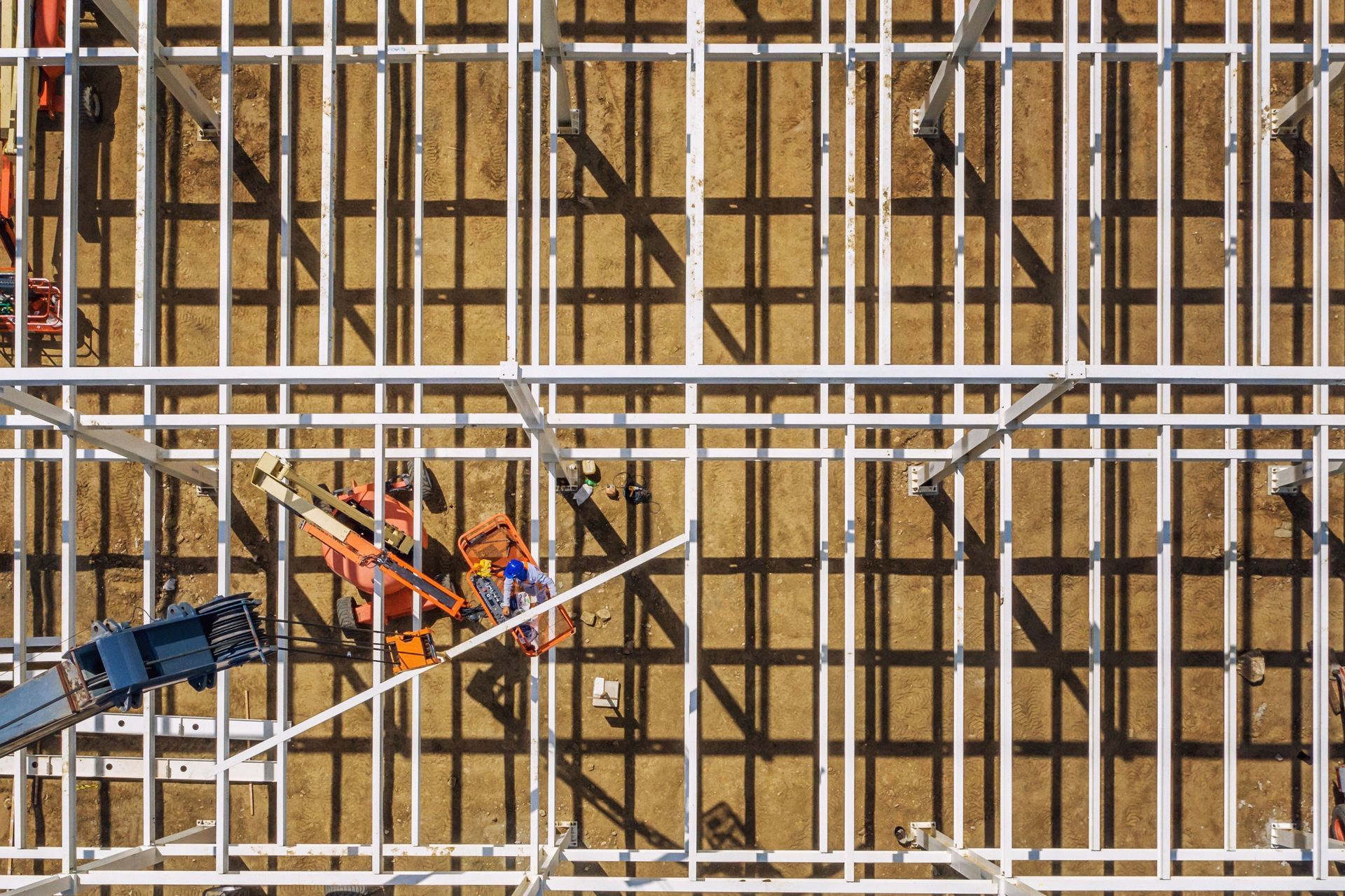
Assembling a steel facility is like putting together a giant, highly engineered erector set. Cranes lift the pieces, and crews bolt them tight.
Traditional concrete pouring is messy. It involves complex wooden forms, heavy rebar grids, waiting for cement trucks, and praying the weather holds out for proper curing.
Durability and Lifespan
Concrete is undeniably hard. It can stop a stray forklift with only a surface scratch.
But it is also brittle.
In active seismic zones, rigid concrete cracks under pressure. Steel bends. It sways and absorbs kinetic energy without snapping. This gives steel a major structural edge during an earthquake.
Maintenance Requirements
Steel maintenance means occasional painting and checking roof fasteners. It is simple routine work.
Concrete requires aggressive surface sealing. If water infiltrates a microscopic crack in a concrete wall and freezes, it expands violently. This causes the wall to flake and crumble from the inside out.
Why Trust B.T. Steel With Your Next Project?
At
B.T. Steel, we live and breathe commercial construction.
With years of hands-on experience, we specialize exclusively in pre-engineered metal buildings and structural steel. We have navigated the zoning headaches. We have beaten the tight timelines.
Our mission is totally customer-first. We deliver complex projects on time, within budget, and built strictly to your exact local building codes.
Our safety records and millions of successfully built square feet speak for themselves.
We don’t just supply raw materials. We engineer real, practical solutions that eliminate the traditional headaches of commercial construction. You can trust us to build it right the first time.
Making the Final Decision: Which Should You Choose?
The final call comes down to your exact operational needs.
Choose concrete if you need extreme fire resistance for hazardous materials. It is also the right call for heavy acoustic dampening or battling wild temperature swings.
Choose steel if you need rapid deployment to hit the market faster. Go with steel for strict cost-efficiency to protect your capital. And definitely choose steel if you want the modular flexibility to expand your building later effortlessly.
Frequently Asked Questions
Q1. Which is cheaper to build: a steel or concrete warehouse?
A1. Steel, hands down. Because the metal frame is so much lighter, you aren’t dumping a fortune into massive, deep foundation footings. Plus, the assembly goes faster, meaning your on-site labor bill drops significantly right out of the gate.
Q2. How much faster is building with steel?
A2. You’re usually looking at shaving weeks, or even months, off the schedule. Pre-engineered pieces show up at the site ready to bolt together. There’s no waiting around for wet cement to cure while hoping it doesn’t rain.
Q3. Do steel warehouses last as long as concrete?
A3. Oh, for sure. People sometimes worry about metal rusting out, but that’s old thinking. Today’s commercial structures are treated with heavy-duty anti-corrosion coatings. Give the building basic routine maintenance, and it’ll easily stand strong for 50-plus years.
Q4. Is it hard to expand a warehouse later?
A4. If you own a masonry building, expanding is a brutally loud, expensive headache. But if you went with steel? You basically unbolt the end wall, frame up the new addition, and keep your forklift traffic moving. It’s wildly easier.
Q5. Which material is safer for fire risks?
A5. Concrete naturally wins this one because it simply doesn’t burn. Unprotected metal beams can actually soften in a massive interior fire. To counter that, builders use specialized fireproof coatings and high-end sprinkler systems to bring a metal facility safely up to code.
Q6. Does the building material affect my commercial insurance?
A6. It absolutely can, but it depends on your location. A concrete structure might score a slightly cheaper rate for fire risk. However, if you are building in earthquake territory, underwriters often prefer the physical flexibility of a metal frame. Call your broker before you dig.
Q7. How do they hold up in bad weather?
A7. Both take a beating well, just in totally different ways. A solid concrete wall can take a direct hit from flying storm debris without flinching. But a steel frame physically bends and sways, which keeps the structure from snapping during hurricane winds or ground tremors.
Q8. Which warehouse costs less to heat and cool?
A8. Concrete naturally absorbs heat and releases it slowly. That massive thermal weight regulates internal temps beautifully. However, if you pack a modern metal building with premium commercial insulation, the monthly energy bills are going to be pretty much identical.
Q9. What’s the actual maintenance difference?
A9. Metal structures need an occasional paint touch-up and a quick seasonal check on the roof fasteners. Masonry is a bit needier. You have to seal concrete surfaces constantly; otherwise, water sneaks into tiny cracks, freezes, and literally blows chunks of the wall off from the inside.
Q10. When should I actually choose concrete over steel?
A10. Stick with heavy concrete if you are storing highly explosive chemicals, or if you’re next to a busy runway and need dead silence inside. For almost every other standard logistics or storage need, a metal building makes way more financial sense.
Conclusion & Next Steps
Your commercial facility is the beating heart of your daily operations.
Choosing the wrong building material can trap you in an endless cycle of maintenance and completely restrict your ability to scale up.
While concrete remains totally viable for highly specialized, heavy-duty storage, steel provides unmatched speed. It delivers aggressive cost savings and the future-proof flexibility that modern scaling businesses desperately demand.
Don’t leave your next major build to chance.
Contact our engineering team at B.T. Steel for a custom quote, or download our free warehouse planning guide today to get your project moving in the right direction.