How much does a 50x100 Steel Building Cost
Running out of warehouse space or leaving expensive machinery out in the unpredictable weather directly hurts your bottom line. Expanding is necessary, but the fear of unpredictable construction budgets keeps you awake at night. Pinning down the actual 50x100 steel building cost is the crucial first step to taking control of your expansion. This massive footprint is popular for American businesses because it offers high capacity without completely draining your capital. Expect material packages to run between $60,000 and $100,000, while a fully constructed facility lands between $125,000 and $225,000.
Estimating your financial commitment requires looking past the basic marketing numbers you see online. A cheap kit will have a vastly different price tag than a fully insulated commercial-grade facility. We want to break down exactly what goes into these numbers so you can plan effectively. B.T. STEEL CONTRACTORS, LLC is here to give you the straight facts on what to expect for your specific location.
Breaking Down the Cost of a 5000 Sq Ft Steel Building
The raw materials make up the bulk of your initial investment before any site work begins. Right now, the cost of 5000 sq ft steel building kits typically ranges from $60,000 to $100,000, depending on the current commodity market. This price covers your primary I-beam framing, wall panels, roof panels, and the necessary heavy hardware to bolt it all securely together. Purchasing the steel when global market rates are favorable helps keep your initial budget highly competitive.
However, that base material price fluctuates based on your specific zip code and local building codes. If you live in a northern state with heavy winter snowfall, your roof needs structural reinforcements to handle the extreme weight. Coastal areas require upgraded wind-rated engineering to withstand hurricane-force gusts. The thickness of your steel panels will also push this base price higher if you upgrade from standard twenty-six gauge to a heavier twenty-four gauge option.
Figuring Out Your Steel Price Per Square Foot
When you factor in the concrete foundation, heavy equipment labor, and basic interior finishes, the total project numbers change significantly.
Generally, the finished steel building price per square foot lands somewhere between $25 and $45 for a standard commercial setup. This gives you a completed shell ready for your heavy inventory or industrial equipment. It remains much cheaper than traditional masonry or wood frame construction methods used across the United States.
Pouring a commercial-grade concrete foundation is a major piece of that square footage rate. You cannot just put a massive facility on regular dirt or a thin residential driveway slab. The foundation needs thick edges and heavy rebar to support the extreme weight of the rigid frame safely for decades. Hiring an experienced concrete crew ensures your anchor bolts are placed perfectly so the steel frame goes up straight.
Why the Prefabricated Cost is a Smart Investment
Many business owners are surprised by how efficient the modern steel construction process actually is. The prefabricated steel building cost is highly competitive because the heavy manufacturing work happens entirely off-site. Every main beam is precision cut, drilled, and welded at the factory before it ever reaches your commercial property. This drastically cuts down on the mess and noise typically associated with a massive construction site.
This manufacturing process means the erection crew spends their time bolting pieces together rather than measuring and cutting on the clock. Because the heavy fabrication happens at the factory, you aren't paying a local crew to measure and cut on the clock. Shaving weeks off the actual build leaves thousands of dollars in your bank account and gets your doors open way ahead of schedule. Getting your operation running and pulling in revenue that much faster is easily the biggest financial perk of going this route.
Crucial Foundation and Site Preparation Requirements
Paying for the steel package is only the beginning of your financial planning. Prepping the job site demands a realistic budget before any dirt gets moved. You absolutely need a professional soil test before pouring concrete to see exactly what kind of weight your ground can safely handle. If you build a heavy 5,000 square foot facility on soft clay without proper foundation piers, the building will eventually sink.
That uneven settling cracks your expensive slab, twists the rigid steel framing, and leaves your overhead doors completely jammed. Additionally, the concrete contractor must precisely place heavy structural anchor bolts into the wet cement. These bolts are the only thing holding your massive facility to the ground, so their placement must match the engineering plans perfectly. Any mistake here will cause expensive delays when the delivery trucks finally arrive.
Step-by-Step Instructions to Plan Your Construction
Jumping into a massive commercial build requires a logical approach to avoid wasting money. Missing a critical step early on can cause massive headaches when the concrete trucks are waiting in your driveway. Follow this exact sequence to keep your commercial property project organized and strictly on budget.
1. Determine your exact operational needs, including interior office space and commercial door heights.
2. Check with your local zoning office to confirm a five-thousand-square-foot structure is legally allowed on your lot.
3. Schedule a professional soil test to ensure your land can safely handle the required commercial concrete foundation.
4. Secure a highly detailed, itemized quote from a reputable supplier like B.T. STEEL CONTRACTORS, LLC.
5. Secure your commercial construction financing using the detailed material and labor quotes provided by your contractor.
6. Pull all necessary local building permits before scheduling any heavy site grading or tree removal.
7. Have your foundation poured and fully cured for at least twenty-eight days before the material delivery arrives.
Choosing Insulation and Climate Control Packages for Your Metal Building Cost Estimate
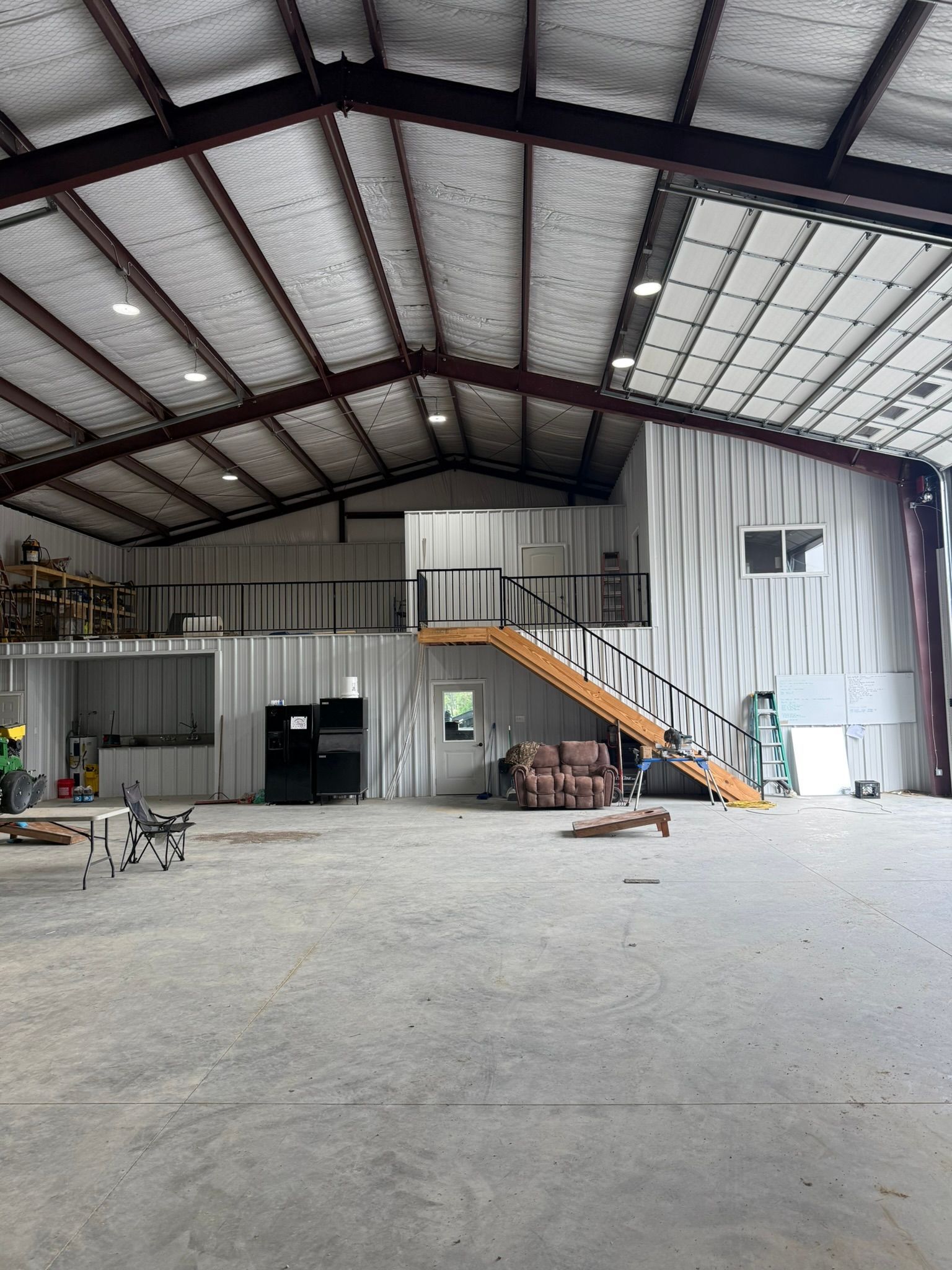
Nailing down your total investment means evaluating your climate control needs. Insulation is mandatory if you plan to heat or cool the facility for your staff. Proper materials prevent condensation from dripping off the roof and destroying valuable inventory. The right choice shifts your starting budget but slashes future energy costs.
You have a few standard ways to insulate these large commercial buildings. Upgrading your package provides better temperature control and adds real structural rigidity. The massive savings on monthly utility bills make this upgrade worth the upfront cost. Review these popular choices for your upcoming build:
● Standard fiberglass blanket insulation with a reinforced white vinyl facing for basic moisture control.
● Rigid board insulation placed securely between the exterior metal panels and the primary structural framing.
● High-density spray foam insulation that creates an absolute airtight seal against harsh weather.
● Insulated metal panels that combine the exterior finish and interior thermal barrier into one premium product.
● Radiant barrier foil wraps designed specifically to reflect intense summer heat away from the roof.
Adding Customization and Commercial Accessories
A bare shell is rarely the finished product for a growing business. Adding large overhead doors, standard walk doors, and thermal windows will directly impact your final metal building cost estimate. You will need multiple entry points to handle heavy daily traffic and meet strict fire safety codes. Budget early for these commercial doors, as they represent a major expense.
Every opening you create in the solid walls requires additional engineering, known as framed openings. This adds a bit more raw framing and specialized labor to the overall project total. You must account for these functional additions before finalizing your bank loan. Here are some common accessories that affect the final price tag:
● Heavy-duty motorized roll-up doors designed for daily forklift and tractor-trailer traffic.
● Solid personnel doors with heavy-duty commercial crash bars for emergency fire exits.
● Translucent polycarbonate roof skylights flood the interior with free natural lighting during the day.
● Heavy-duty wall louvers and continuous ridge vents to exhaust hot air and dangerous industrial fumes.
● Exterior wainscoting panels in contrasting colors to improve the visual curb appeal of the storefront.
Handling Building Permits and Zoning Regulations
Before you rent heavy equipment or break ground, you must account for soft costs like municipal building permits. Local governments across the United States have vastly different fee structures based on commercial square footage. Securing the necessary zoning approvals and environmental sign-offs can sometimes take months of dedicated paperwork. You must have patience and extra funds set aside for these bureaucratic requirements.
You will likely need stamped engineering drawings to prove your new facility meets all regional safety requirements. Some local governments also require expensive environmental impact studies or specialized storm drainage plans. This means hiring civil engineers to design massive water retention systems for the rain runoff from your new roof. These consulting and permitting fees easily run into the thousands and need a dedicated line item in your spreadsheet.
Securing Proper Financing for Your Facility
Financing a project this large requires careful planning and a solid banking relationship. Most owners use commercial loans to cover land, site prep, and materials. Lenders like these metal structures because they are durable assets that hold their value. A highly organized business plan is essential to lock in good interest rates.
Securing those favorable terms requires a highly accurate project budget. Banks will not accept rough guesses in today's lending market. They need to see exactly how your prefabricated steel building cost breaks down into materials, concrete, and labor. Bringing official quotes from a certified contractor shows the lender you are completely serious.
Pro Tip for American Commercial Builders
Always plan your interior electrical and plumbing layouts before the final concrete foundation is poured. Trenching through six inches of reinforced concrete to add a forgotten floor drain or heavy electrical conduit is incredibly expensive. Meet with your local plumbers and electricians to map out every single utility line on the architectural blueprints beforehand. Setting PVC sleeves in the dirt before the cement trucks arrive saves you thousands of dollars in costly rework down the road.
Long-Term Value and Maintenance Savings
The upfront construction costs might seem steep, but the future benefits easily justify the price. Steel structures naturally resist deep wood rot and devastating property fires. Since the rigid frame is noncombustible, most insurance companies offer massive discounts on your monthly premiums. This ongoing financial relief quickly offsets your initial material investments.
The exterior paint is baked directly onto the metal panels at the factory. You will never have to waste money scraping and repainting the exterior like a wooden building. Complete protection against termites also eliminates the need for expensive yearly chemical treatments. Over the next thirty years, your routine maintenance bills will stay incredibly low.
Frequently Asked Questions
Q: Do I need a specific commercial permit for a 50x100 facility?
A: Yes, absolutely. A permanent structure of this magnitude requires commercial building permits, stamped engineering drawings, and municipal safety inspections during the construction process.
Q: How long does it actually take to erect a building this size?
A: Once the concrete foundation is fully cured and materials are delivered, an experienced professional crew can typically erect the main outer shell in two to three weeks.
Q: Can I build this massive structure on an existing residential concrete slab?
A: Rarely. A massive heavy structure requires a specifically engineered commercial foundation with thickened perimeter edges and heavy anchor bolts designed strictly for that exact load.
Q: Does the base package price include the commercial overhead doors and windows?
A: Base package prices usually cover the primary rigid framing and solid exterior metal walls. You need to specify the exact number of overhead doors to add them accurately.
Q: What is the absolute best roof style for regions with extremely heavy snow?
A: A standard structural gable roof with a steeper pitch is ideal for safely shedding winter snow. We highly engineer the internal roof purlins to handle your specific local snow load.
Q: Are these metal structures highly prone to rusting over time?
A: No. High-quality commercial construction packages use heavily galvanized components and premium baked-on exterior paint systems specifically designed to resist rust and severe corrosion for decades.
Conclusion
Trying to manage these complex construction variables alone is a recipe for immense stress. Sit down with experienced American professionals who can walk you through all structural options logically. Reaching out to B.T. STEEL CONTRACTORS, LLC for a highly detailed metal building cost estimate ensures you have reliable numbers. We know the local building codes and heavy materials to get your facility built right.
Expanding your business should be an exciting milestone rather than a financial guessing game. We are here to answer your questions and help you figure out the perfect floor plan for your daily operations. Give our team a call or send a quick message today to start sketching out your new facility.