When to Choose a Pre-Engineered Metal Building
In the 30+ years we’ve been putting steel in the ground here in Dyersburg and across the Mid-South, we’ve seen the construction landscape change dramatically. Back in the day, if you wanted a commercial facility or a farm shop, you pretty much had two choices: stick-built wood or heavy, labor-intensive masonry. You picked one, and you lived with the limitations. But the industry evolved, and quite frankly, it had to.
Today, business owners and farmers in Tennessee, Missouri, Kentucky, and Arkansas are looking for efficiency without sacrificing grit. They want buildings that can take a beating from the weather and still look professional enough to house a retail front or a family home. This is where the conversation usually turns to Pre-Engineered Metal Buildings (PEMBs).
Now, as someone who has lived and breathed construction for decades, we’re not here to tell you that steel is the answer to every single architectural question. If you want a Victorian dollhouse, stick with wood. But there are specific scenarios where choosing a PEMB isn't just a good option, it’s the only logical one. If you are sitting on a plot of land debating which route to take, this is for you.
When Speed is Your Primary Driver
Let’s be real: in construction, time is the single most expensive commodity. Every day your job site sits idle or gets delayed by weather is a day you aren’t operating your business or storing your equipment. We call it “burning daylight,” and it hurts the bottom line.
The traditional construction process is linear and slow. You pour the foundation, wait for lumber to arrive, frame it stick by stick, and pray it doesn’t rain for three weeks straight. Pre-engineered buildings flip that script completely. While our team is out at your site in Dyer County prepping the grade and pouring concrete, the building itself is being fabricated in a factory.
Here is exactly where you save time with a metal building system:
- Simultaneous Processing: While we are digging footers, the factory is cutting steel. We aren't waiting for one to finish to start the other.
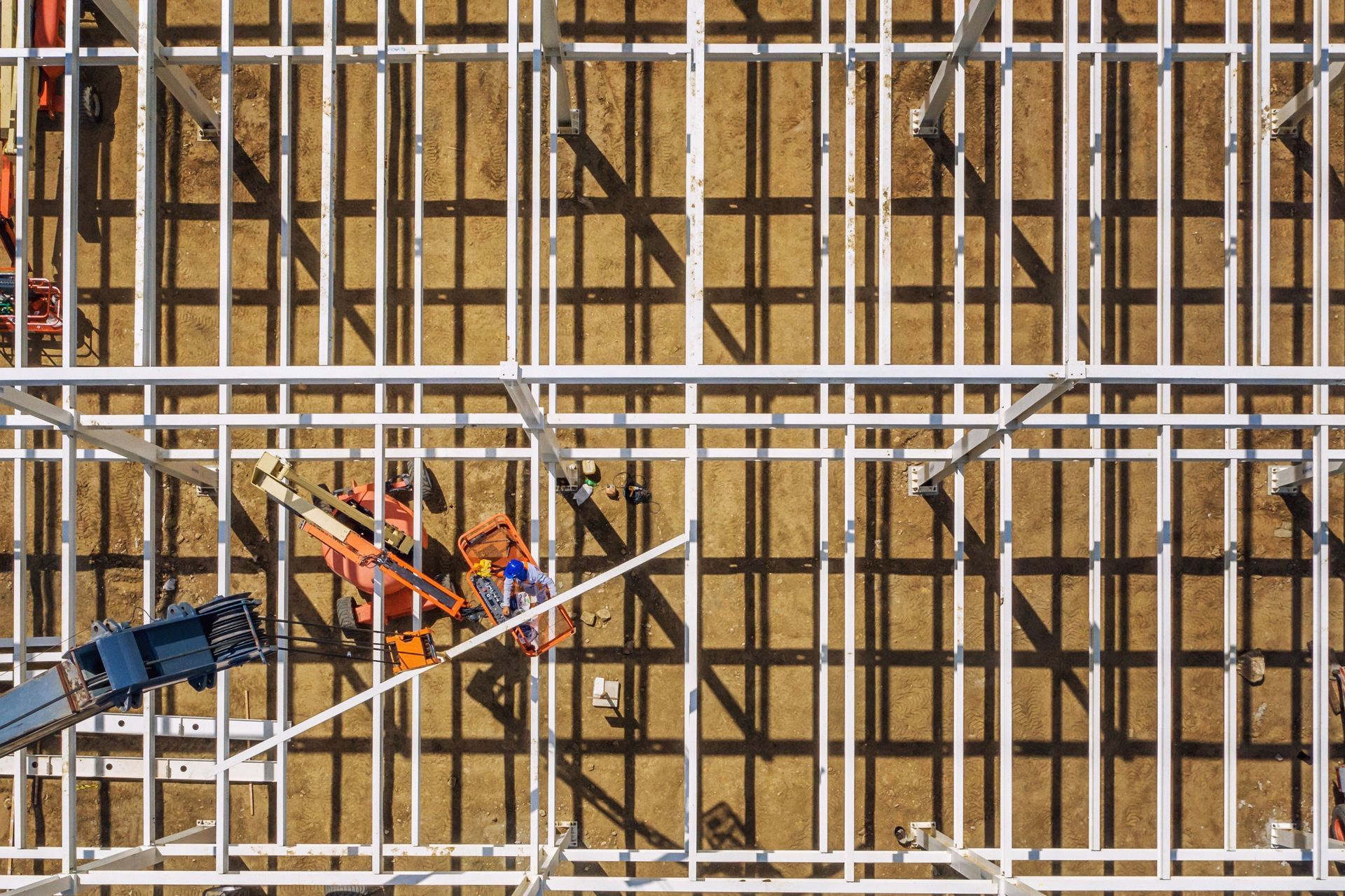
- No On-Site Fabrication: The beams arrive pre-cut, pre-drilled, and pre-welded. We aren't measuring and cutting every single rafter.
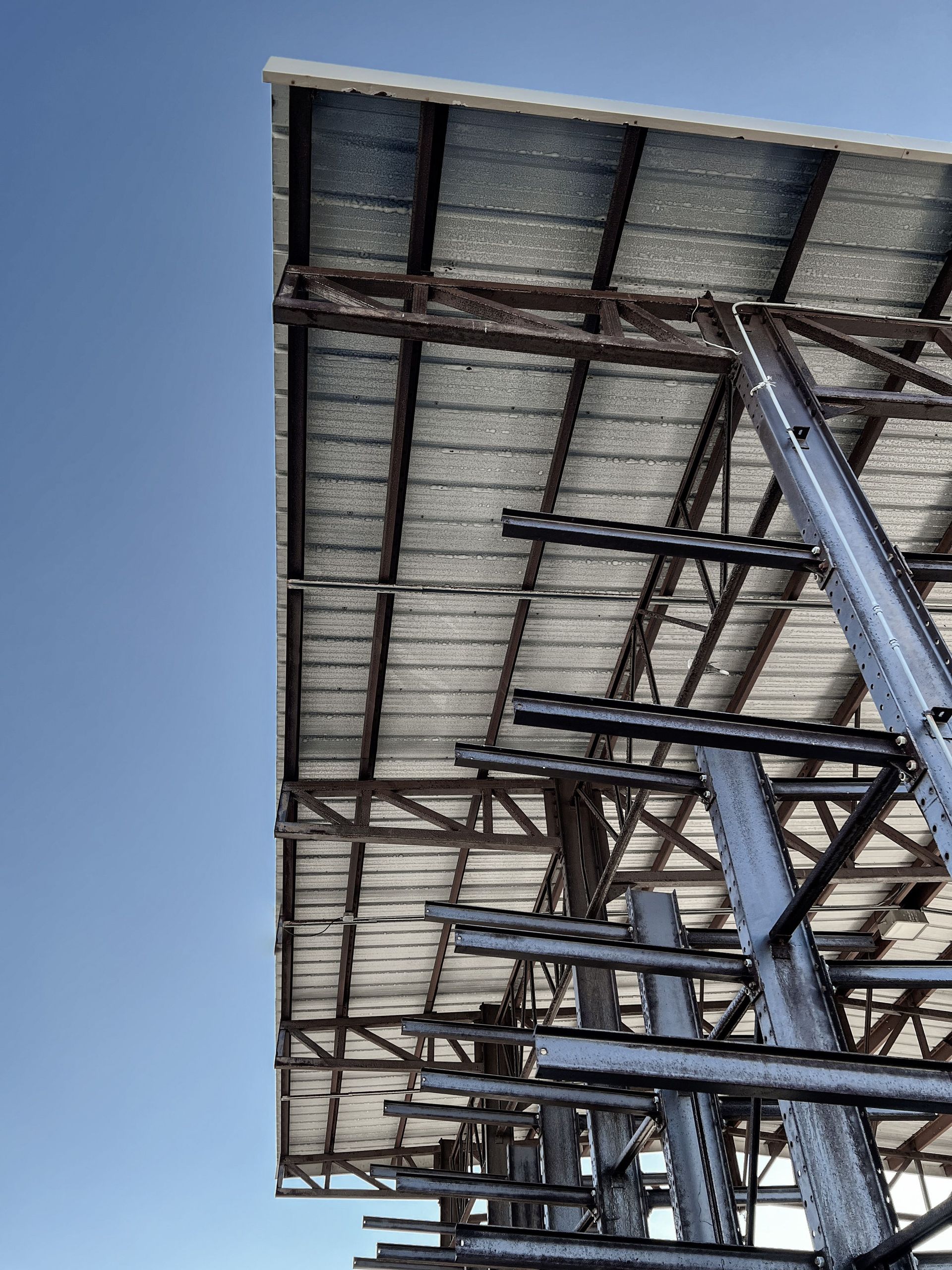
- Fewer Weather Delays: Once the main frame is up (which happens fast), we can get the roof and wall panels on quickly, creating a dried-in shell so interior work can continue regardless of the rain.
- Reduced Cleanup: Since everything is cut to length at the plant, there is significantly less waste and debris to haul off-site at the end of the job.
By the time the concrete cures, the steel is arriving on a truck, ready to bolt together. It’s like an erector set on a massive scale. This can save weeks, sometimes months, off a project schedule. If you have a hard deadline, say, a harvest season approaching or a lease expiring, this is when you choose steel.
When You Need Massive, Unobstructed Space
Have you ever walked into an old wooden barn or a standard office building and noticed how many columns are scattered around? Those support posts are necessary for wood framing because timber can only span certain distances before it loses structural integrity. It’s just the nature of the material.
Steel doesn’t have that problem.
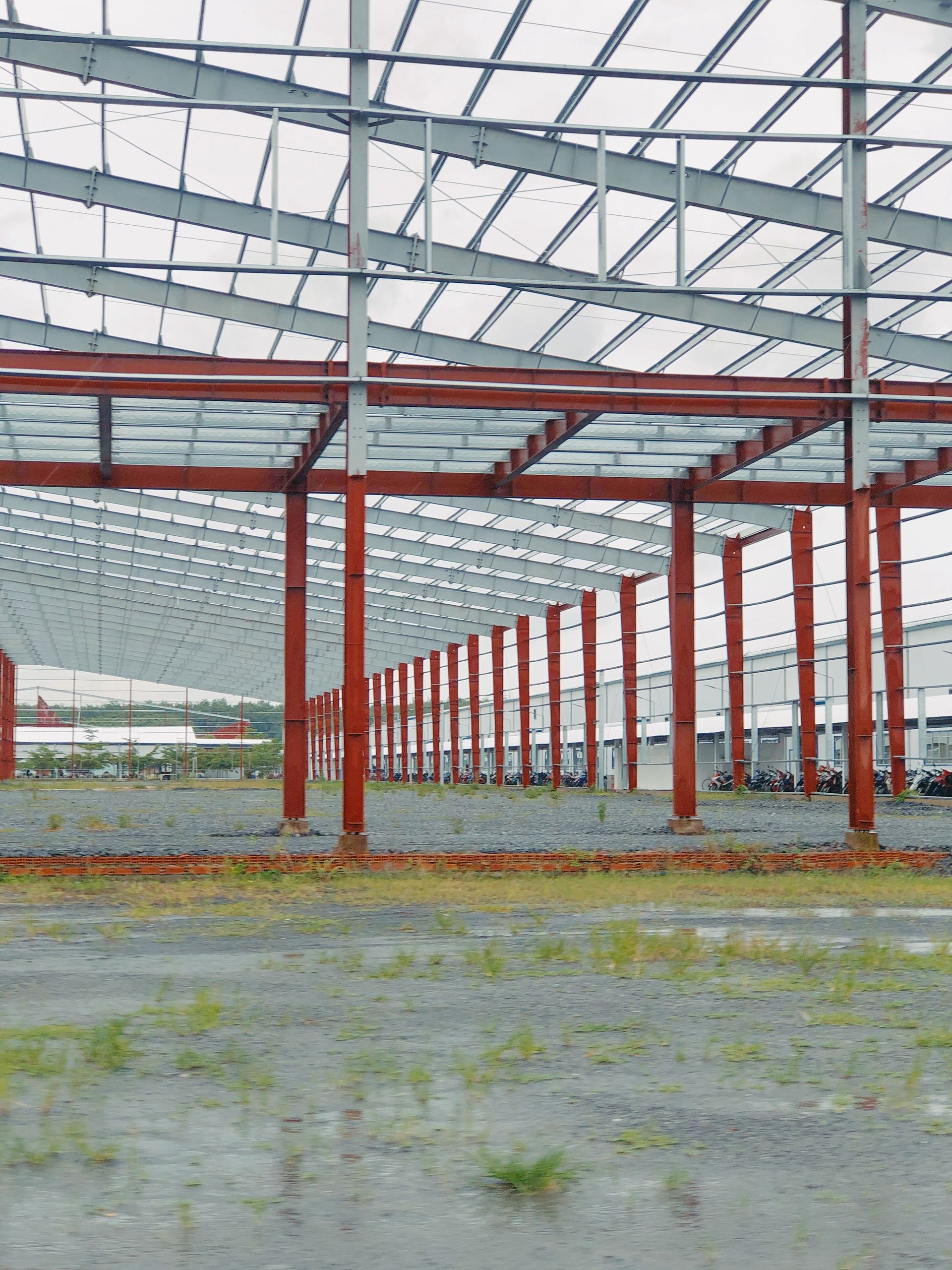
If your operation requires a “clear span” (meaning a wide-open interior with zero internal columns), a PEMB is your best friend. We see this requirement constantly with our agricultural clients and those needing warehouses. If you are parking a combine harvester, storing a private aircraft, or setting up a manufacturing assembly line, you cannot navigate around support poles.
Pre-engineered steel can span hundreds of feet without a single internal column. This gives you 100% usable floor space. For anyone looking at metal construction options that maximize square footage utility, this structural freedom is the biggest selling point.
We typically recommend clear-span frames for:
- Indoor Riding Arenas: You can’t have columns in the middle of a dressage ring.
- Aircraft Hangars: Wingspans don’t negotiate well with support posts.
- Agricultural Storage: Moving large augers and tractors requires wide turning radii.
- Manufacturing Plants: Assembly lines need the flexibility to be reconfigured without structural interference.
- Sports Facilities: Basketball courts and indoor soccer fields need open air, not columns.
When Budget Matters (But You Can’t Sacrifice Quality)
“You get what you pay for” is a saying we take seriously at B.T. Steel Contractors. However, value engineering is a real thing, and steel offers it in spades.
Wood-built structures are labor-heavy. You are paying a crew to measure, cut, and nail thousands of individual pieces of wood. With pre-engineered buildings, the labor cost drops significantly because the assembly is so much faster. You are paying for a highly engineered product, yes, but you are saving a fortune on the man-hours required to erect it.
Furthermore, the long-term costs are lower. Wood rots. Wood warps. Termites love wood. None of those things happens to a red iron steel building. The maintenance budget for a steel structure is a fraction of what you’d set aside for a traditional building. You aren't repainting every few years or replacing siding that’s been chewed up by the elements.
Consider these long-term financial wins:
- Lower Insurance Premiums: Steel is fire-resistant. Insurance companies often offer lower rates for steel structures compared to wood-framed buildings.
- Energy Efficiency: Modern metal buildings can accommodate thick insulation packages, keeping heating and cooling costs down in our humid summers and wet winters.
- Minimal Maintenance: Metal roofs can last 40 plus years with very little attention, unlike asphalt shingles that might need replacing in 15 years.
- Resale Value: A well-maintained steel building often holds its value better because the structural integrity doesn't degrade like organic materials.
When you look at the total cost of ownership over 20 or 30 years, steel wins the math battle almost every time.
When the Weather is Unpredictable
Living in the Mid-South, we know a thing or two about volatile weather. We get the heat, the humidity, the tornadoes, and the ice storms. It’s a mixed bag, and your building needs to be able to handle all of it.
Pre-engineered buildings are designed to specific load requirements. Before the steel is even ordered, engineers calculate the wind loads, snow loads, and seismic data specific to your zip code, whether you are in Arkansas or Kentucky.
A pre-engineered building is a system. The roof, the walls, and the framing all work together to transfer energy down to the foundation. This makes them incredibly resilient during high wind events compared to traditional framing, which relies heavily on nails holding tight.
The pre-engineered metal building benefits really shine when a thunderstorm is imminent. The ductility of steel allows it to absorb energy without snapping, offering a level of protection that rigid masonry or brittle wood often cannot match.
When You Want Future Expandability
Business growth is a good problem to have, but it’s a nightmare if your building locks you in. Expanding a traditional brick-and-mortar or wood-frame building is messy. You have to tear out load-bearing walls, shore up ceilings, and essentially conduct major surgery on the structure. It’s expensive, dusty, and disruptive.
PEMBs are designed with expansion in mind. Because these buildings are modular by nature, adding bays to the end of a steel building is remarkably straightforward. We can remove the end wall, bolt on new clear-span frames, and reinstall the wall panels. What might be a months-long renovation in a traditional building could be a week-long project with steel.
If you are a startup or a growing farm and you know that what you build today might need to be double the size in five years, don’t paint yourself into a corner with wood or concrete.
When Aesthetics Are Changing
There is a misconception that choosing a metal building means you are stuck with a plain, gray box. That might have been true in 1990, but not today.
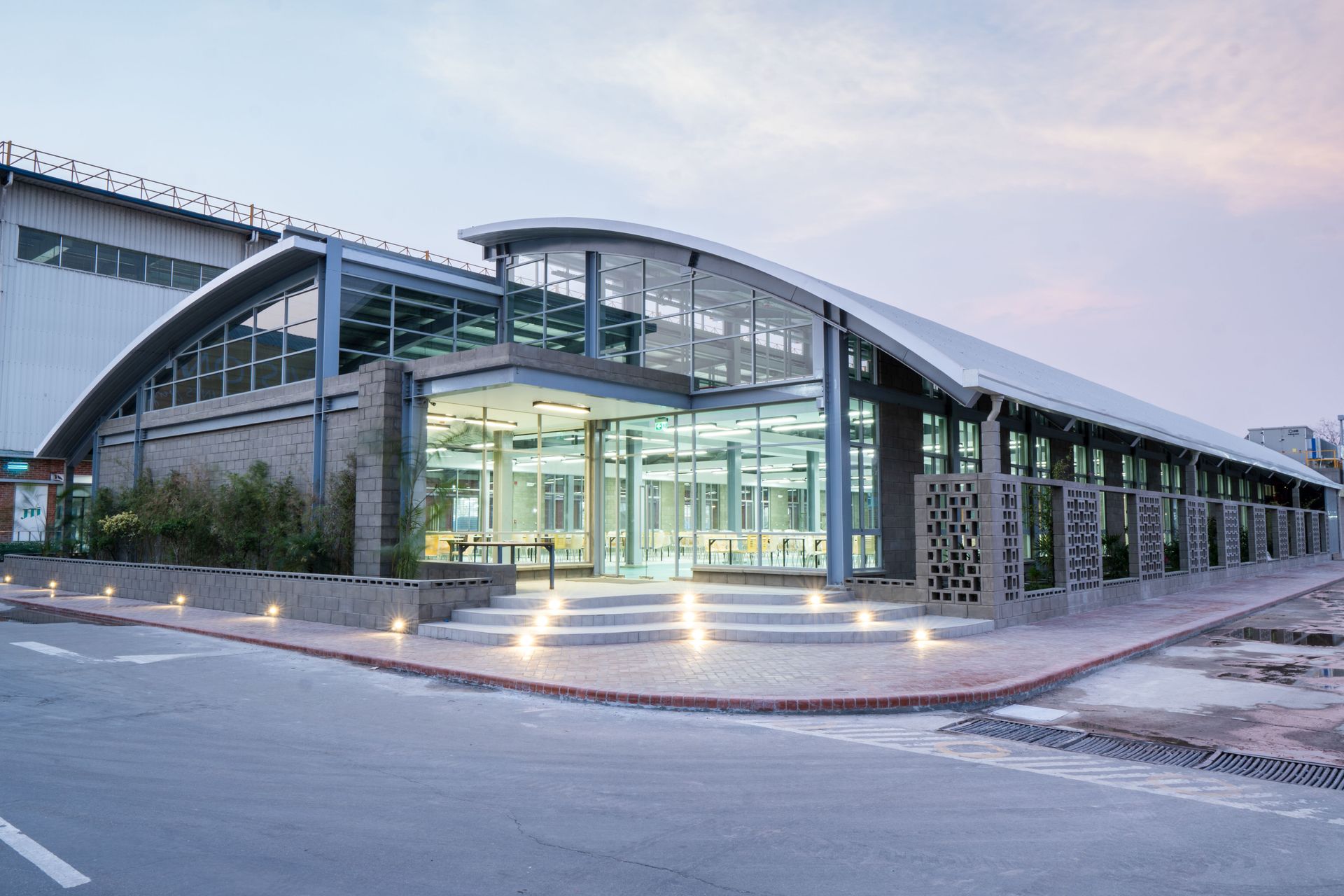
Modern steel buildings can be finished with brick, stone, stucco, or glass. We are building “Barndominiums” now that have interiors rivaling high-end custom homes, with the exterior durability of a commercial warehouse. You can have the industrial strength of steel without looking industrial.
We can customize the look with:
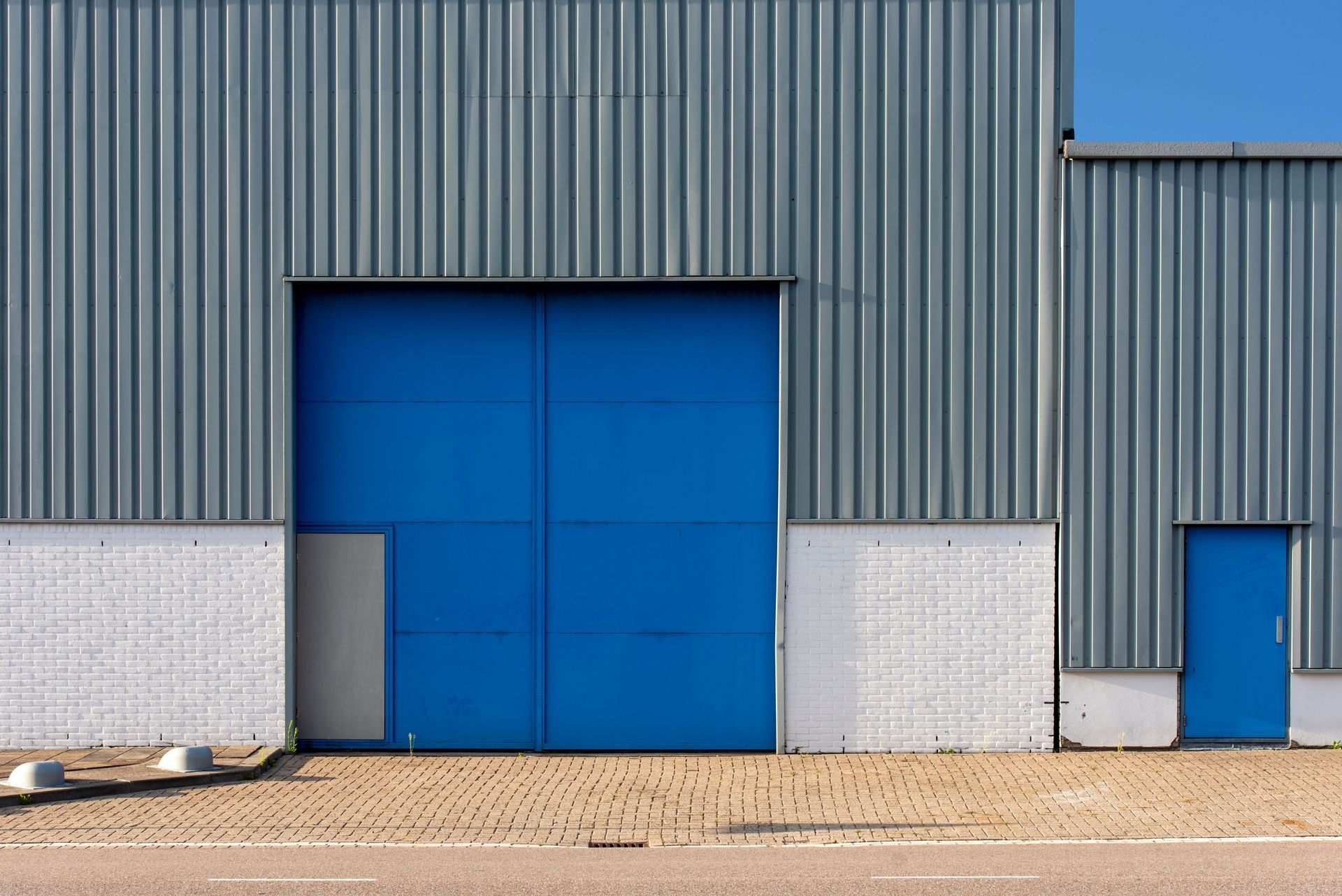
- Wainscoting: Adding a brick or stone skirt to the bottom few feet of the wall for a classic look.
- Roof Pitch: Adjusting the slope of the roof to match existing buildings on your property.
- Overhangs and Canopies: Creating porch spaces or covered loading docks that add depth and character.
- Color Variety: Modern wall panels come in dozens of colors that are warrantied against fading and chalking.
The Bottom Line
Choosing a building material is one of the biggest decisions you will make for your property. It dictates your insurance rates, your maintenance schedule, and your peace of mind during a storm.
If you need speed, open space, and a structure that will likely outlast the business you put inside it, pre-engineered steel is the way to go. It’s not just about putting up walls; it’s about creating a tangible asset that works as hard as you do.
At B.T. Steel Contractors, LLC, we don’t just ship you a kit and wish you luck. We handle the dirt work, the concrete, and the erection. We know the soil in Missouri and the codes in Tennessee. If you’re ready to look at steel building solutions that fit your specific timeline and budget, we should talk.
Construction doesn't have to be a headache. It just takes the right materials and a team that knows how to handle them. Let’s get to work.