Difference Between Hot Rolled and Cold Formed Steel
The difference between hot-rolled and cold-formed steel comes down to the heat used at the mill and the exact geometric shape of the finished edges.
When you run a multi-million dollar job, understanding this deep metallurgical distinction keeps your erection crew moving safely and prevents large budget overruns. Heating the metal well over 1700 degrees makes it cheap and malleable, while forming it entirely at room temperature makes it incredibly rigid and dimensionally precise. Our dedicated framing team at B.T. STEEL CONTRACTORS, LLC sees these costly material mix-ups constantly.
Getting the correct metal specified for your commercial blueprint saves thousands of labor hours during the active welding phase and passes strict city structural inspections without a hitch. By taking the time to match the exact manufacturing method to your specific structural needs, you significantly protect your company’s profit margins. Making the right material call prevents huge operational headaches down the road.
Breaking Down Hot-Rolled Steel vs. Cold-Rolled Steel on American Job Sites
Looking closely at hot-rolled steel vs. cold-rolled steel on an active job site, the first major difference is the rough surface texture and the wide corner radius. Hot-processed material serves as the undisputed, heavy-duty workhorse for huge commercial construction across the United States. It provides massive raw structural strength at a very low and competitive price point.
The primary manufacturing factory runs a freshly cast, glowing slab of iron directly through heavy mechanical shaping rollers while it remains incredibly hot and highly malleable. Because the superheated metal behaves like soft clay under the big machinery, the manufacturer can quickly push out giant structural members in a single pass. This rapid production rate keeps your raw material procurement costs exceptionally low.
The main physical trade-off occurs when those huge beams sit out in the open factory air, cooling naturally over several long hours. The heavy iron shrinks unevenly during this long phase, causing slight dimensional variations in the final measurements and noticeably rounded outer corners. It is functionally perfect for hidden building skeletons, but visually bad for exposed interior architectural frames.
The Daily Realities of Heavy Hot Processed Metals
When your lead engineers draft the primary load-bearing foundation for a large distribution center, they rely heavily on these affordable, heat-treated materials. Field supervisors must clearly understand the physical realities of working with these heavy, heat-treated sections to keep their crane operators and welding crews safe on the job site.
The outer layer of the beam reacts directly with ambient oxygen during the cooling phase, creating a hard, brittle, blue-gray coating known across the industry as mill scale. This rough surface texture means your paint crew will spend extra time grinding the joints to achieve a clean cosmetic finish. It works best when completely buried behind heavy commercial drywall.
Here are the main field realities when dealing with these heavy framing members on your site:
● The raw purchase cost per pound is substantially lower because the factory requires less heavy machinery time to form the hot metal into shape.
● The material remains soft enough that your field crew can easily cut, drill, and modify the thick pieces using standard job site power tools.
● You will always see noticeably rounded exterior edges and corners rather than sharp, mathematically perfect ninety-degree geometric shapes on the finished ends.
● The metal contains very little internal stress, meaning it will not warp out of alignment when your welders apply heavy heat to the joints.
● The physical measurements hold loose tolerances, meaning your framing crew must anticipate and absorb slight dimensional variations across a large delivery.
● These sections carry the massive weight of multi-story concrete floors perfectly without draining your entire procurement budget before the roof goes on.
Working with Cold-Formed Steel in the Field
When your architectural drawings call for extreme dimensional accuracy and a flawless paint finish, you must immediately step up to cold-formed steel sections. This premium material actually begins its long life as a standard hot-processed coil, but it undergoes a highly intensive secondary finishing process at the factory.
After the initial metal cools completely to room temperature, the mill feeds it directly into a series of huge mechanical press brakes. The factory uses immense mechanical pressure to bend and shape the rigid sheet metal without additional heat. This room-temperature process completely prevents any unpredictable thermal shrinkage after shaping.
The immense physical stress of forcing cold metal into shape actually compresses the internal grain structure, a phenomenon known as strain hardening. This increases the structural yield strength dramatically while leaving the finished surface perfectly smooth to the touch. It is the premier choice for exposed architectural elements that require a premium powder coat or sleek paint job.
Here is what you need to know about working with these precision structural components:
● The dimensional accuracy is mathematically perfect, eliminating the unpredictable shrinkage associated with high-heat manufacturing methods used for primary heavy frames.
● The sections feature perfectly straight edges and sharp ninety-degree corners that fit together seamlessly during final assembly on the busy job site.
● The exterior surface remains incredibly smooth and completely free of rough, scaly oxidation, saving your commercial paint crew hours of manual grinding.
● The natural work-hardening compression significantly increases the yield strength, allowing you to use a lighter gauge to carry the same engineered load.
● The exceptionally clean surface requires minimal preparatory wire brushing before applying a premium protective coating or high-gloss industrial enamel paint job.
● The high strength-to-weight ratio makes these thin components incredibly easy to transport, stage, and erect using smaller forklifts and standard rigging gear.
Selecting Different Types of Structural Steel for the Build
A well-balanced commercial blueprint almost always utilizes several different types of structural steel working seamlessly together to achieve the safest, most economical design. Huge, wide-flange columns and thick angle iron constantly form the primary load-bearing skeleton of the heavy building. You pay for raw mass to carry the immense weight of heavy concrete floors and regional snow loads.
Using expensive precision metals for a hidden foundation column is an incredibly easy way to burn through your investment capital needlessly. Conversely, the secondary framing systems that support exterior walls are prime candidates for light-gauge, precision-processed materials. These advanced sections provide an incredibly high strength-to-weight ratio for long roof purlins and heavy exterior wall girts.
Combining heavy primary frames with precise secondary frames gives you a comprehensive building package that goes up fast and stays well under budget. This smart hybrid approach allows the erection crew to bolt the outer shell together rapidly using simple hand tools and impact wrenches. Achieving this balance is the key to keeping your construction project highly profitable.
Step-by-Step Instructions for Ordering Metal
Managing a large commercial steel order requires a highly systematic, disciplined approach to prevent costly purchasing mistakes before the delivery truck arrives.
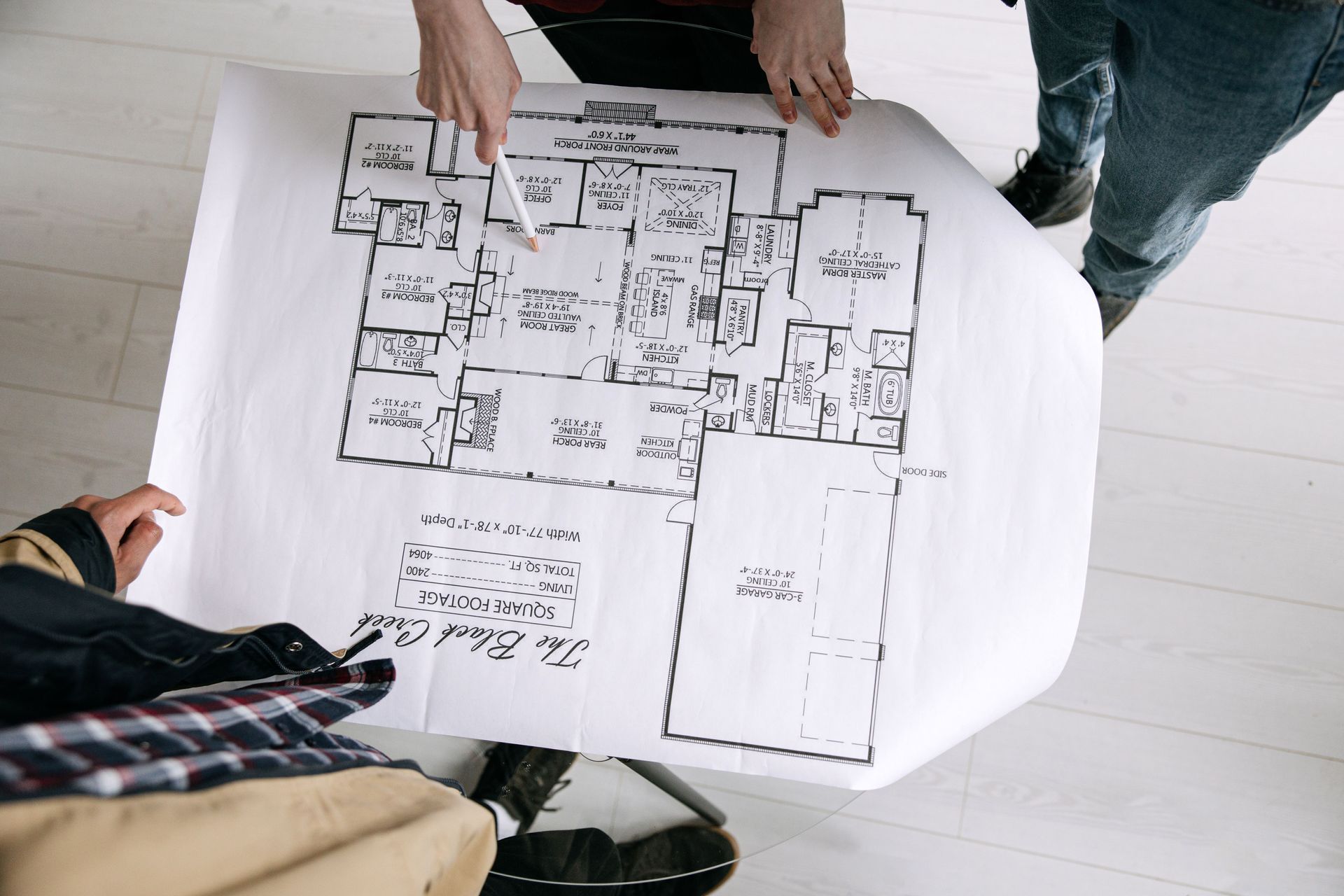
Step 1: Open your architectural plans and carefully highlight every framing member that will remain exposed to public view or requires a high-quality finish.
Step 2: Cross-reference your highlighted sections with the engineering schedule to verify if the structural loads allow for light-gauge precision framing sections.
Step 3: Stop wasting money burying expensive metal that nobody sees. Buy cheaper hot-rolled steel for hidden columns and foundation plates. Keeping that extra cash in your pocket makes sense.
Step 4: Get your hands on the mill paperwork before the truck leaves the yard. If those steel grades do not exactly match the city plans, you will fail the inspection. Catching paperwork mistakes early saves everyone a massive headache.
Step 5: Walk the load the exact second the truck arrives on site. Check heavy structural pieces to ensure surface rust is under control. Most importantly, verify that those expensive cold-formed sections survived the highway ride without bending.
Step 6: Store your precision components safely off the wet ground on clean wooden dunnage blocks and cover them tightly with a heavy waterproof tarp.
Impacts on the Steel Fabrication Process inside the Shop
The specific type of metal you order significantly affects every operation in the busy steel fabrication shop. Shop crews highly favor heat-treated metal because it is incredibly soft and very easy to work with on a daily basis. Saw blades cut through it cleanly, and heavy drill bits last for several consecutive weeks.
Working with hardened precision materials requires a much higher level of technical skill, specialized heavy shop machinery, and extreme operational patience. Because the metal is heavily work-hardened, it physically wears down cutting tools, heavy punches, and expensive drill bits at a highly accelerated rate. The shop foreman must constantly monitor the equipment to prevent unexpected mechanical failures.
Furthermore, these precision pieces store a huge amount of internal microscopic stress from the intense room-temperature bending process. If an inexperienced welder blasts a joint with too much heat, that internal stress releases instantly, rapidly warping the structural beam out of alignment. You always need highly skilled tradesmen to handle these premium materials correctly without ruining them.
Pro Tip for Material Handlers on the Job Site
Always force your material supplier to separate your structural order into two distinctly different pricing packages on the final written invoice. Group your heavy, heat-treated structural members into one specific line item, and your premium precision exposed sections into another. By forcing them to break out the processing categories, you can easily spot where a mill is trying to upcharge you for premium finishes on parts that will end up buried under thick commercial concrete.
Frequently Asked Questions
Q. Why is hot-processed material cheaper than the precision options?
A. The factory heavily shapes the thick beams while the iron is molten hot and highly malleable. This requires less mechanical energy and shorter production times, dropping the overall raw material costs for the general contractor.
Q. Can my framing crew weld both types of metals together on site?
A. Yes, experienced welders join these different components together every single day on active commercial job sites. The operator needs to carefully adjust their heat settings so they do not burn right through the thinner hardened metal.
Q. Does mill scale cause any problems when painting the steel framing?
A. Mill scale is a brittle oxide layer that will eventually flake off as the building expands and contracts with the changing weather. You must aggressively wire-brush or sandblast this layer off before applying any high-quality industrial paint.
Q. Which material handles high wind and earthquake stresses better?
A. Heavy heat-treated frames absorb energy during seismic events beautifully because the thick mass is naturally more ductile and forgiving. The hardened precision sections are engineered with higher yield strengths to prevent building deflection during severe wind storms.
Q. How do I safely stop my precision wall studs from rusting on site?
A. Always order your light-gauge precision framing with a factory-applied galvanized zinc coating, typically specified as a G60 or G90 rating. This sacrificial coating safely prevents moisture from attacking the bare iron while the frame sits exposed to the weather.
Making the Final Call for Your Commercial Build
Successfully delivering a huge commercial facility requires an experienced contractor who knows how to balance raw structural safety against a strict operational budget. There is no single magic metal that works flawlessly for every single application on a modern job site. You must analyze the unique architectural requirements of your build and carefully choose the exact material that makes the most functional sense.
At B.T. STEEL CONTRACTORS, our dedicated fabrication crews handle both materials every day across the United States. We bring decades of real-world construction experience to your project, ensuring your raw materials are sourced affordably and erected perfectly. Reach out to our expert project management team today to get a detailed quote for your next build and keep your job site moving forward.