How Much Does A Metal House Kit Cost?
Trying to build a house right now feels like a losing game against runaway inflation and material shortages. Every time you check lumber prices, they keep rising, making budgets impossible to maintain. That is exactly why families are asking about the true cost of a metal house kit before they start digging.
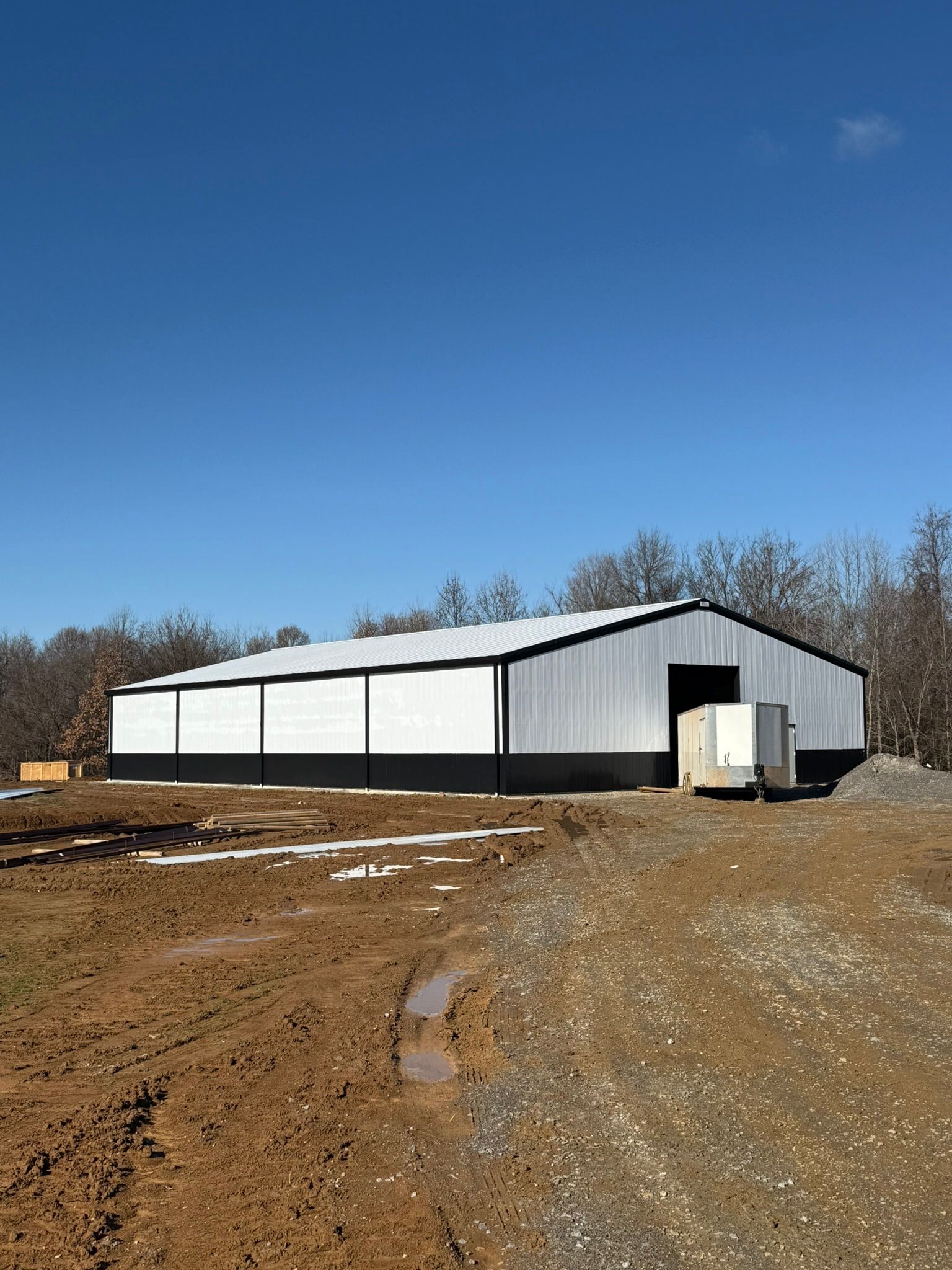
Nobody wants to drain their savings to end up with a half-finished wooden frame sitting in the mud. For a basic exterior structural shell, you can expect an initial investment of $15 to $40 per square foot for raw materials. Iron framing offers a fantastic way out of the traditional construction trap with faster builds and predictable pricing.
You deserve a straight answer about what actually goes into these alternative building packages today. From the raw structural materials dropped on your lot to the final interior finishes, we are breaking down every single expense. By the end, you will know exactly what to expect from the entire process.
Evaluating Building Packages and Metal Home Kits Prices For Your Property
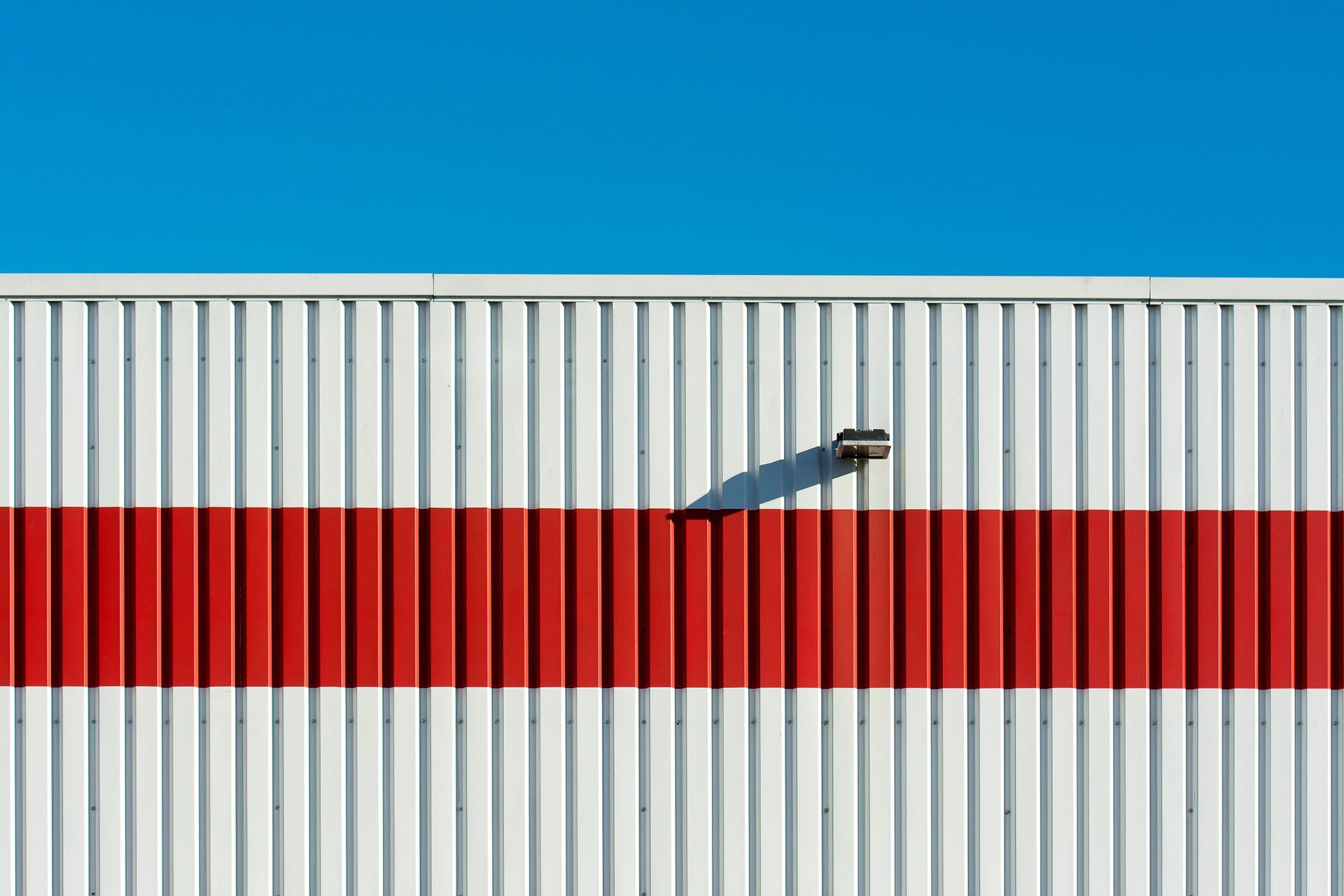
Getting a flat estimate online is tricky because every single piece of land needs something totally different. A basic open-span exterior shell generally runs between $15 and $30 per square foot on the current market. That price includes loading the raw materials onto a flatbed and dropping them at your site.
If you live up north where it snows heavily, your framing needs to be significantly thicker to handle the weight. The same rule applies to coastal areas that experience intense hurricane winds every year. Those structural upgrades bump up the initial price of metal home kits, but they keep your family safe.
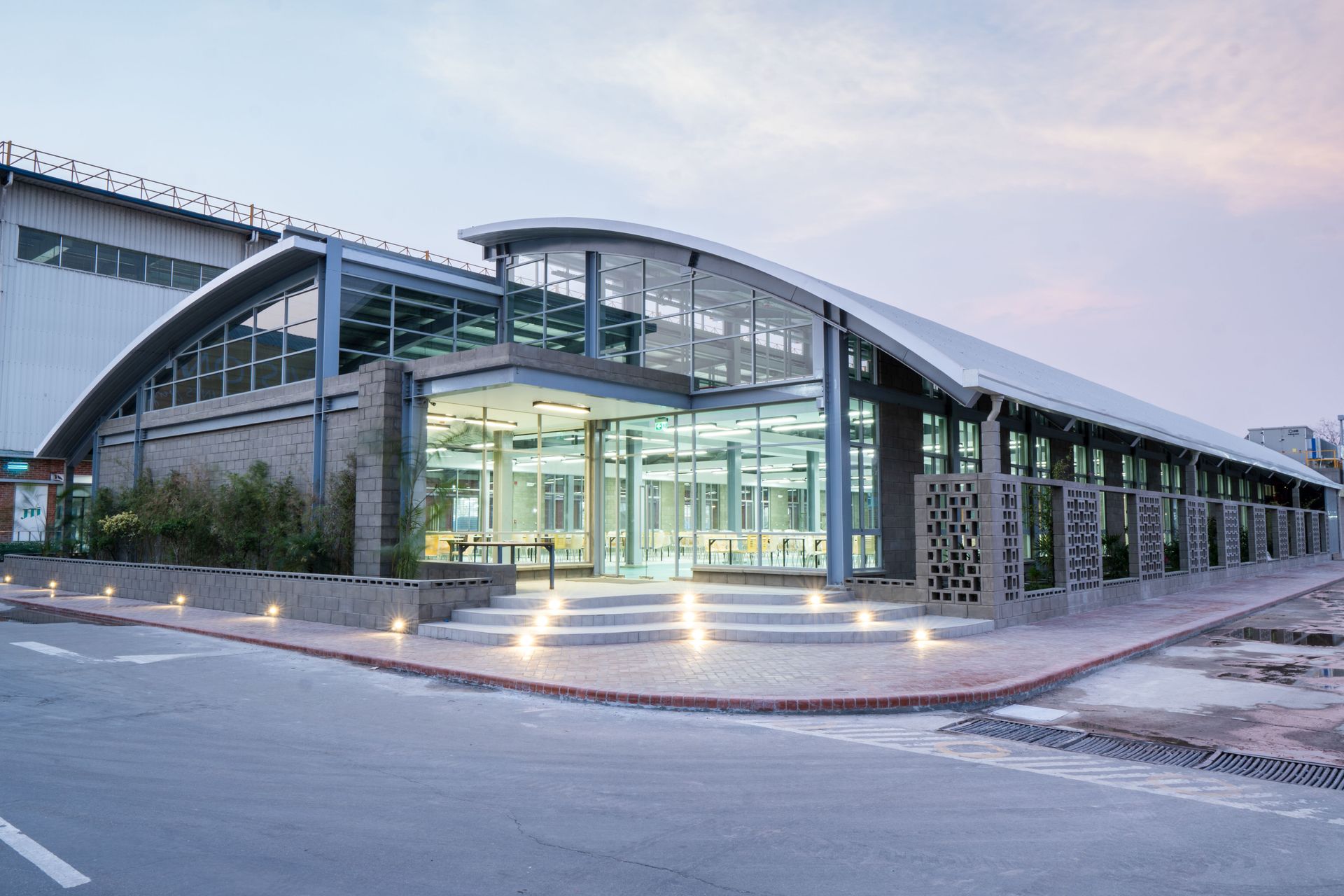
You also need to consider the building’s cosmetic aspects before signing any final purchase orders. Adding custom roof pitches, wrap-around covered porches, and premium paint colors will add thousands to the bill. These extra features turn a plain steel box into a genuine neighborhood standout that holds value.
Why Iron Alternatives Beat Traditional Wood Framing
Stick-built homes have been the standard in America for decades, but wood comes with a ton of expensive baggage. Timber naturally absorbs moisture from the air, which can cause it to warp, rot, and shift over time. You do not have to worry about any of these drawbacks when building with iron.
Termites and carpenter ants treat standard wooden framing like an “all you can eat buffet” in your backyard. Steel stops destructive pests dead in their tracks since there is nothing for them to chew on. Choosing steel house kits saves you a large amount of money on pest control over the years.
Since iron framing does not shift or settle, your exterior doors and expensive windows stay perfectly aligned forever. That means no annoying air leaks creating cold drafts in your living room during the winter. You get a solidly built structure that actually holds its long-term value much better than a regular house.
Unpacking The Modern Barndominium Trend and Barndominium Kit Prices On The Market
You have probably seen those gorgeous rustic-industrial homes completely taking over your social media feeds lately. People love the huge vaulted ceilings and the wide-open living spaces these specific architectural designs offer. Because the outer frame handles the entire roof weight, you can literally put interior walls anywhere.
A standard residential package usually includes your main support columns, heavy roof trusses, and colored exterior wall panels. But if you want to add huge wrap-around porches and custom dormers, your barndominium kit prices will naturally increase. You are paying for the total freedom to create a custom layout that fits your lifestyle.
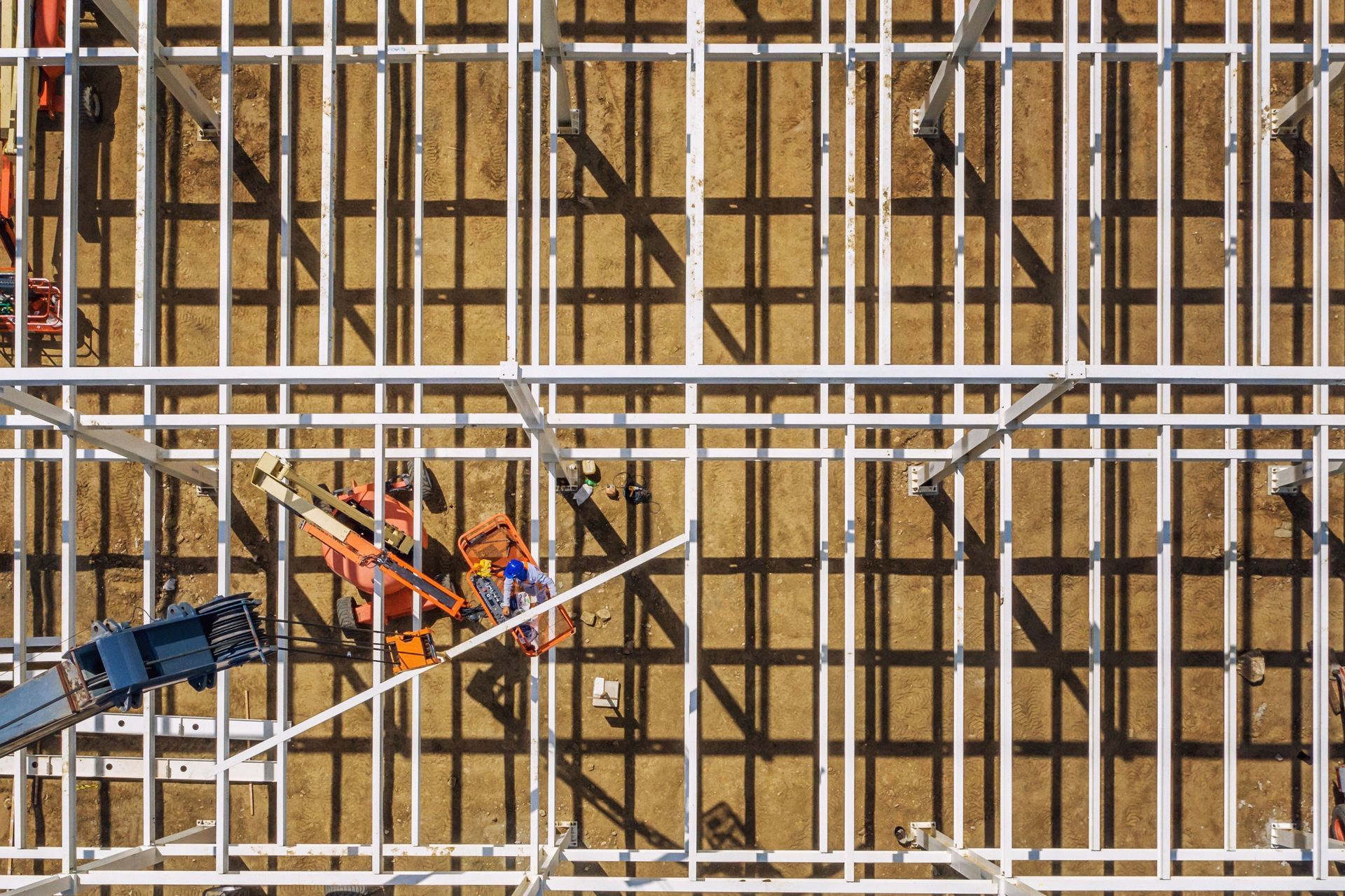
The speed of construction is another big reason families are flocking to these housing models right now. Everything arrives at your property completely pre-cut and pre-punched, ready to bolt together like a giant puzzle. It cuts out weeks of expensive field labor and gets you moved into your new place faster.
Step-by-Step Guide to Erecting Your Structure
Getting your delivery scheduled is super exciting, but you need a really solid game plan before the trucks arrive. Missing even one simple preparation step can throw off your entire construction timeline and blow up your budget. Follow this exact sequence to keep your local contractors happy and the job moving smoothly.
Here are the specific steps you must take to get the heavy frame safely up in the air:
● Get your local building permits officially approved before buying any materials.
● Hire a professional surveyor to mark out the exact footprint on your dirt.
● Clear the lot of large trees, heavy rocks, and any soft topsoil.
● Pour a heavy-duty concrete foundation with structural anchor bolts set in place.
● Set up a clean, dry, and flat staging area for the delivery driver to unload.
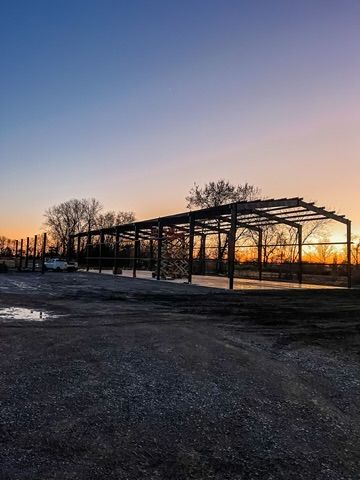
● Bolt the primary framing columns and heavy roof trusses together first.
● Attach the exterior wall sheets using color-matched weather-sealed screws.
Doing things out of order usually means paying a framing crew to stand around the job site doing nothing. Always make sure your raw land is 100% ready before the expensive steel actually arrives at your property.
Pouring a Heavy-Duty Concrete Foundation
You cannot build a heavy structure on top of cheap, poorly mixed concrete poured directly on soft dirt. The slab needs deep perimeter footings to support the downward load from the heavy framing columns. If you skip professional soil compaction, the whole building will eventually sink and crack down the middle.
Expect to spend between $6 and $12 per square foot for a genuinely good foundation in most states. That covers the concrete itself, the rebar reinforcement, and the professional guys smoothing it all out perfectly flat. If your land is on a steep hill, you will definitely pay extra for dirt grading and retaining walls.
Never try to cut corners on the concrete foundation to save a few bucks on the front end. It is literally the physical base of your entire financial investment and holds the whole house together safely.
Pro Tip For Future Homeowners
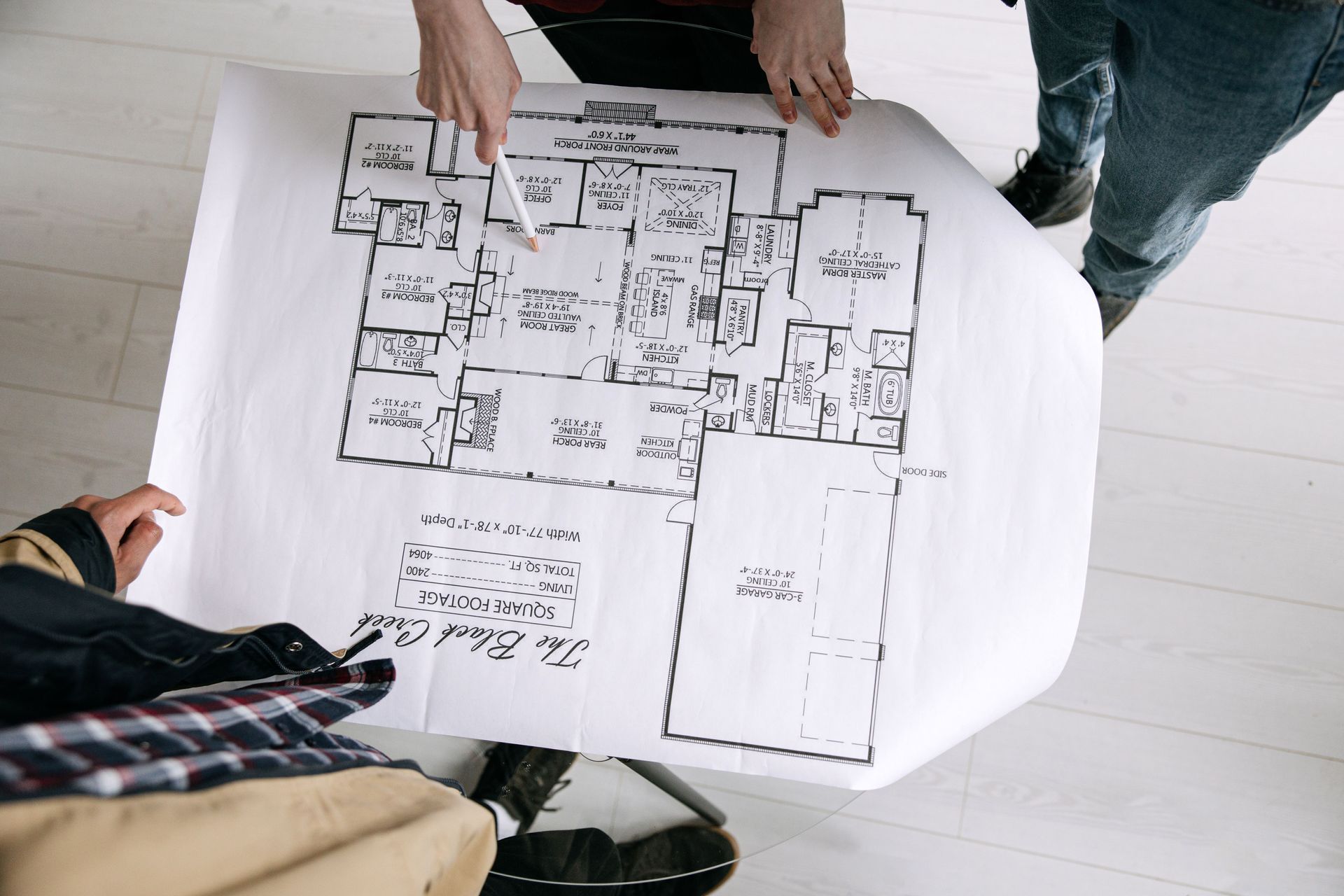
Always demand officially stamped engineering blueprints from the manufacturer of the building package before paying. Your county building inspector will refuse to issue a residential permit without seeing those specific math calculations. Having them early stops you from buying a frame that violates strict local safety codes in your neighborhood.
It is also a great idea to take those exact blueprints straight to your concrete guy before he starts digging. The foundation has to be poured to match the exact anchor bolt patterns listed in those engineering plans. If the bolts are off by even an inch, the steel columns will not fit when they arrive.
Make sure you keep an extra copy of these plans in a safe place, even after the house is finished. If you ever decide to sell the property or get an addition, the next buyer or contractor will need to see them.
Insulation and Making Prefab Metal Homes and Pre-Engineered Packages Comfortable
Nobody wants to live in a house that feels like a cold tin can in the middle of January. Getting the insulation completely right is the most important part of finishing out the entire interior. If you do not create a strong thermal barrier, the iron frame will sweat and drip water inside.
Closed-cell spray foam is the best way to seal everything up super tight against the outside weather. It expands into every crack and completely prevents hot or cold outside air from entering your living room. Making sure your prefab metal homes have top-tier insulation might cost more upfront, but it pays off massively.
Once the heavy foam is sprayed everywhere, the whole building becomes basically airtight and incredibly quiet inside. Your air conditioning and heating units will barely have to run to keep the indoor temperature perfectly comfortable. Those low monthly utility bills are a massive relief for your bank account over the next thirty years.
Finishing Out the Interior Rooms and Layout
After the exterior shell is sealed up tight against the weather, the really fun part of the project finally starts. You can use standard light-gauge steel studs or normal wood to frame out your bedrooms, bathrooms, and closets. Since you are not dealing with any load-bearing interior walls, your layout options are completely open.
Make sure you follow a smart order of operations when finishing the inside of the property:
● Run all electrical wiring and breaker panels before hanging any drywall.
● Have a licensed plumber lay out the water supply lines and sewer drains.
● Install your heavy HVAC ductwork while the ceiling space is still completely open.
● Hang, tape, and texture the drywall in the main living areas first.
● Paint the walls and ceilings completely before bringing in the expensive flooring.
● Install the custom kitchen cabinets and all the bathroom vanities carefully.
● Finish the window trim work and floor baseboards for a clean, professional look.
The money you spend on the inside of the house is pretty much the same as a normal neighborhood build. Drywall, interior paint, and nice kitchen cabinets cost the same, no matter what the house is made of.
Paying For Your Alternative Building Project
Walking into a big corporate bank to ask for a mortgage on an iron house can be super frustrating. Many traditional lenders do not understand these structures and get completely confused by the appraisal process. You are usually much better off talking to a local credit union or a smaller regional bank.
Local hometown lenders are way more used to financing alternative properties and usually offer construction-to-permanent loans. They release the loan funds in stages as your builders finish different parts of the physical work. You need to show them a really solid spreadsheet budget and a detailed set of blueprints.
Being highly organized with your paperwork makes the bank feel much more comfortable handing over a massive check. Take the time to get exact, written quotes from your plumbers and concrete guys before you sit down with a loan officer.
Frequently Asked Questions
Q. How long does it take to assemble the exterior shell?
A. A professional framing crew can usually get a medium-sized frame bolted together in two or three weeks. That assumes your dirt work is already done and the weather cooperates with the schedule.
Q. Will the metal parts rust over the years?
A. Not if you buy a quality package from a reputable dealer. The steel comes galvanized and coated with heavy-duty baked-on paint that prevents rust completely, as long as you maintain it.
Q. Can I build an addition onto the house later?
A. Yes, expanding is surprisingly simple with these rigid frames. You take off one end wall panel, pour some more concrete, and bolt on a few extra structural framing bays.
Q. Is it really loud inside during a heavy rainstorm?
A. If you skip the insulation, sure, it will sound like a drum. But once you spray thick closed-cell foam on the roof panels, it is just as quiet as a normal wooden house.
Q. Are these houses safe when lightning strikes?
A. Iron is actually a fantastic electrical conductor by nature. If lightning hits the roof, the energy shoots straight down the frame deep into the ground, making it very safe for your family.
Conclusion
Building a custom home from scratch is a major financial commitment that requires careful planning and patience. While the low initial price tag for a basic structural shell looks great, you have to factor in the costs of interior finishes to get an honest budget. Taking the time to research your foundation needs, local building codes, and insulation choices will keep you out of serious trouble during construction.
Doing your homework upfront means you get to enjoy an incredibly tough, low-maintenance home for the rest of your life. You get to skip the terrible headaches of rotting wood, constant repairs, and termite damage entirely. If you are ready to get some honest numbers for your upcoming project, reach out to the experienced team at B.T. STEEL CONTRACTORS, LLC by visiting https://www.btsteel.net/ to request your personalized custom quote today.