What Is Structural Steel Fabrication?
This highly specialized process involves cutting, bending, and assembling steel into precise load-bearing components. It transforms raw metal into frameworks, ensuring commercial projects meet exact specifications for strength and safety.
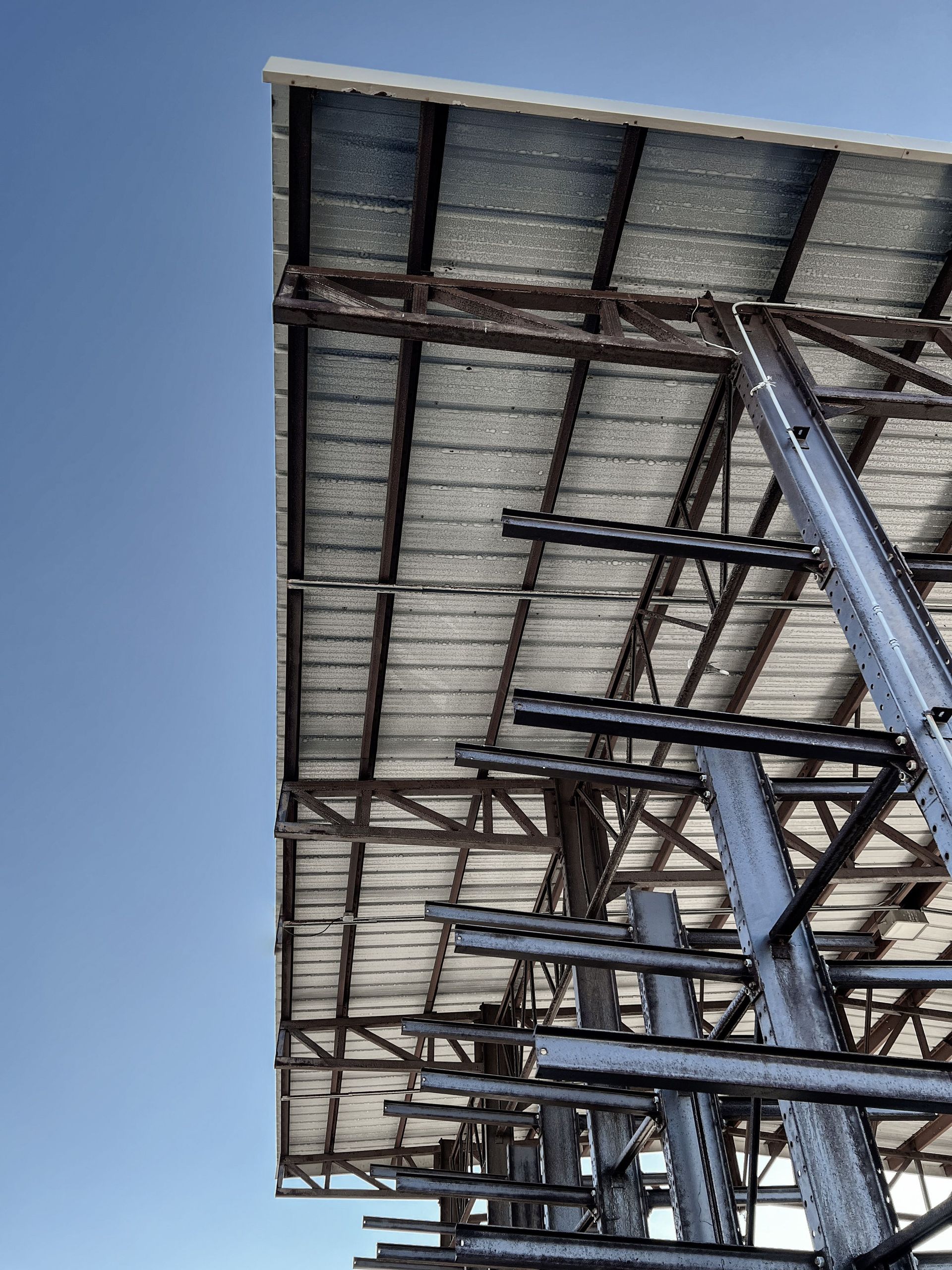
Look at any new high-rise in your city. That heavy metal skeleton didn’t arrive by accident.
People often use manufacturing and fabrication as if they mean the same thing. They don’t. Manufacturing creates the raw metal at a mill. Structural steel fabrication is the hands-on art of shaping that metal so a building doesn’t collapse.
Your project’s success is decided inside the fabrication shop. If a beam is off by a fraction of an inch, your cranes sit idle.
Fast-track construction schedules in 2026 leave no room for guesswork. Developers need materials that fit perfectly on day one.
Let’s walk through how raw metal becomes a skyscraper, and how to find a reliable partner who won’t wreck your budget.
Understanding Structural Steel Fabrication
What Does Fabrication Actually Mean?
Fabrication is the process of cutting, bending, welding, and assembling steel to exact engineering requirements.
Think of it like hiring a custom tailor for a wedding. You don’t buy a suit off the rack if you want it to fit perfectly.
A skilled fabricator cuts and welds raw carbon steel to handle the exact physical loads of your specific blueprint.
Fabrication vs. Manufacturing
Let’s finally settle the difference between these two industries. Manufacturing turns iron ore and recyclable scrap material into raw steel.
It produces blank stock like heavy sheet metal and thick steel bars.
Fabrication takes that blank stock and engineers it for a purpose. The final product is a finished, load-bearing structure like a beam or truss. It leaves the shop ready for immediate site installation.
The Structural Steel Fabrication Process (Step-by-Step)
1. Ideation, Blueprinting, and Shop Drawings
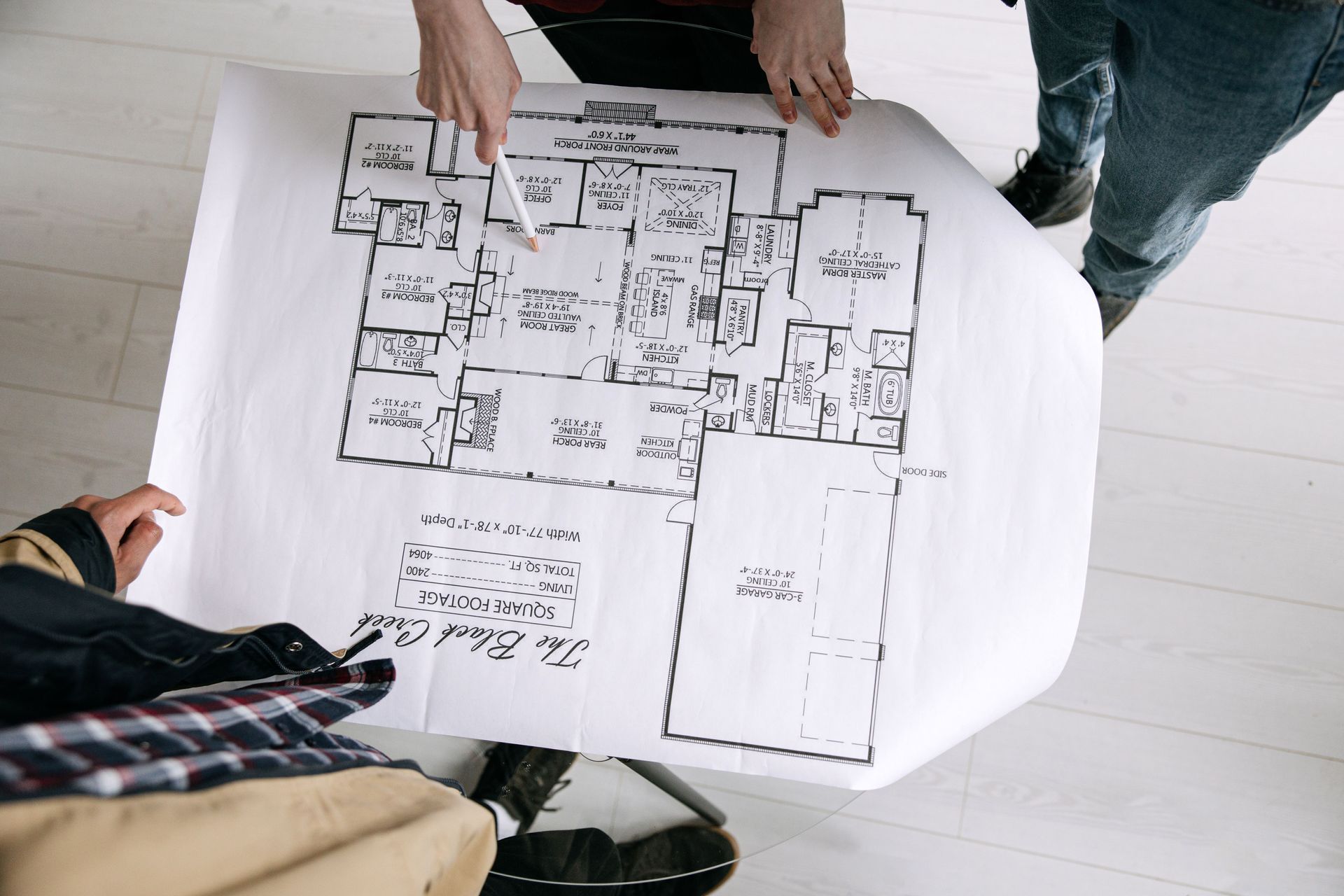
Every good commercial build starts on a computer monitor. Structural engineers run complex 3D models to establish exact measurements.
They have to know exactly how the building will handle heavy wind and dead weight. This critical stage calls for experienced Steel Building Design Services to identify structural problems before any steel is cut.
Pro-Tip: Be sure your fabricator is running the latest 3D modeling software. This prevents costly alignment problems from occurring on the site.
2. Cutting, Drilling, and Machining
Once shop drawings are officially signed off, the sparks start flying. Shops use advanced CNC machines, high-heat plasma cutting, and laser technology.
When you are prepping steel for a massive 50,000 square foot warehouse, extreme precision is everything. Advanced CNC cutting limits material waste and seriously speeds up production.
Common Mistake: Trying to save money by hiring a shop that uses manual cutting torches. Manual cuts leave jagged edges and warp the metal. Plasma torches cut through strong carbon steel beautifully today.
3. Punching, Bending, and Rolling
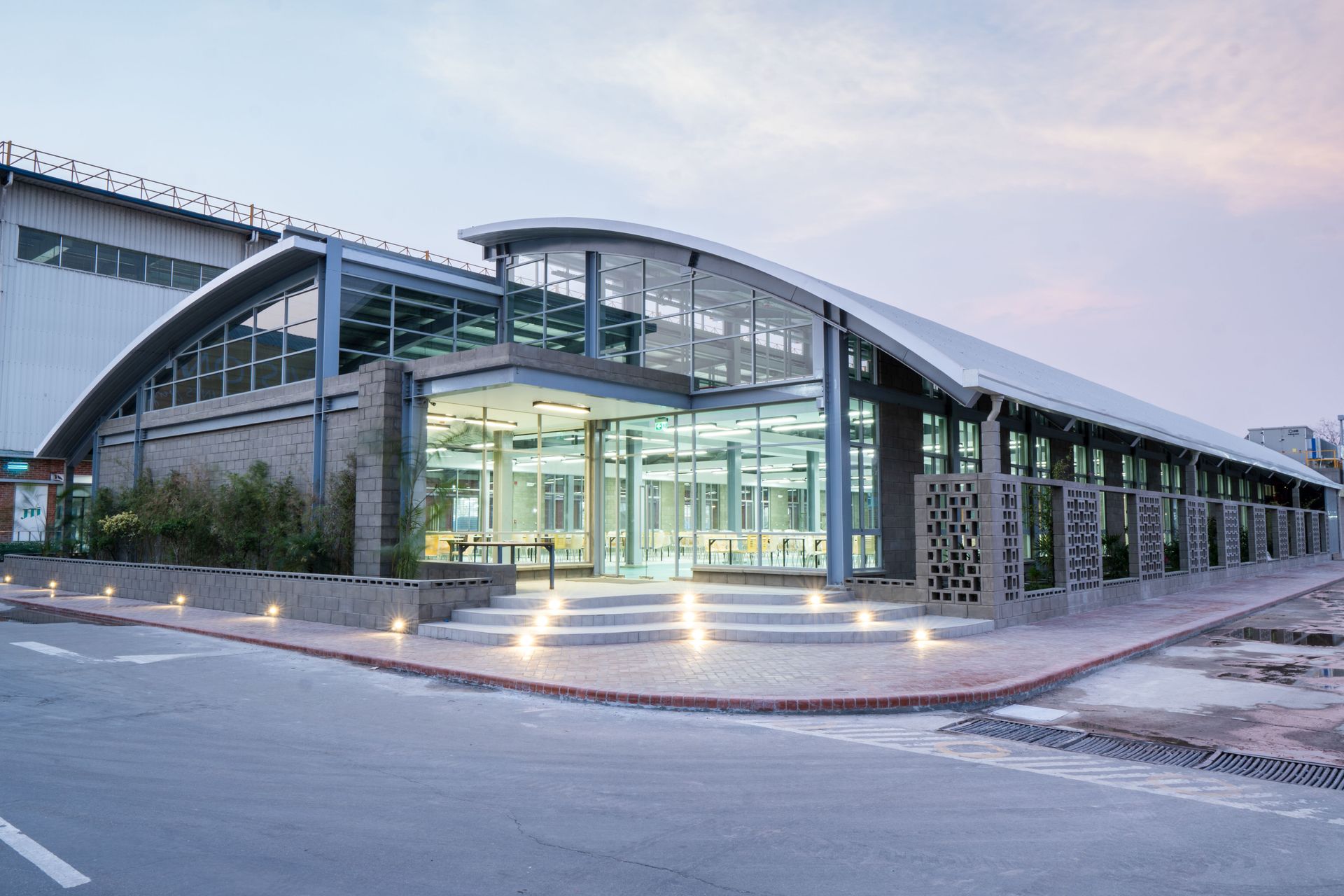
Buildings are rarely just simple square boxes anymore. Modern architecture calls for sweeping arches and highly complex angles.
Flat steel has to be manipulated into these load-bearing shapes. Fabricators push the metal through huge hydraulic press brakes and roll benders.
This step takes real hands-on skill. If an operator bends the steel too fast, it loses its tensile strength. It should be fully flexible, not breaking or cracking.
4. Welding and Assembly
This is the critical phase where separate pieces get permanently fused. Shop welders must strictly follow rigorous ASTM standards.
In our experience on active industrial job sites, precise shop welding reduces field erection time by roughly thirty percent.
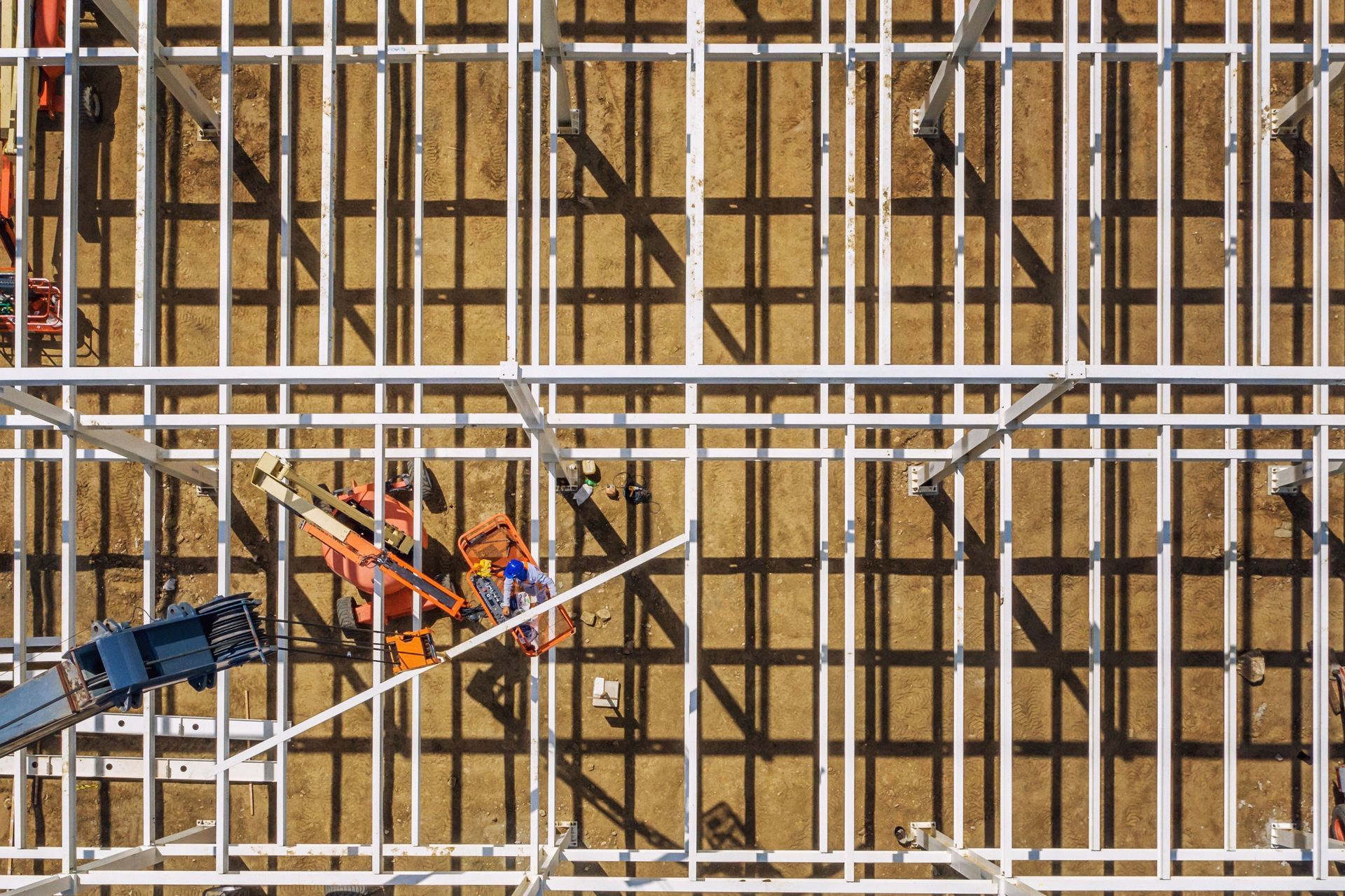
When large components arrive pre-assembled, field crews have to bolt them together.
Expert Insight: “A bad weld can compromise an entire floor. We use ultrasonic non-destructive testing to find hidden micro-fractures inside the welds before the steel ever ships out.”
5. Surface Preparation and Coating
Bare steel will rust if you leave it exposed to the morning dew. Fabricators have to protect it immediately.
They sandblast the metal to clean off any mill scale and dirt. Then they will apply heavy-duty paint, zinc primers, or hot-dip galvanizing.
This hard coating is corrosion-resistant. It protects the building from extreme environmental conditions for years.
Common Structural Steel Components
- Steel Beams: I-beams and H-beams provide essential horizontal support for your floors. The form is different in the way it deals with weight.
- Steel Columns: These vertical lifters transmit the enormous weight of the roof directly down into the concrete base.
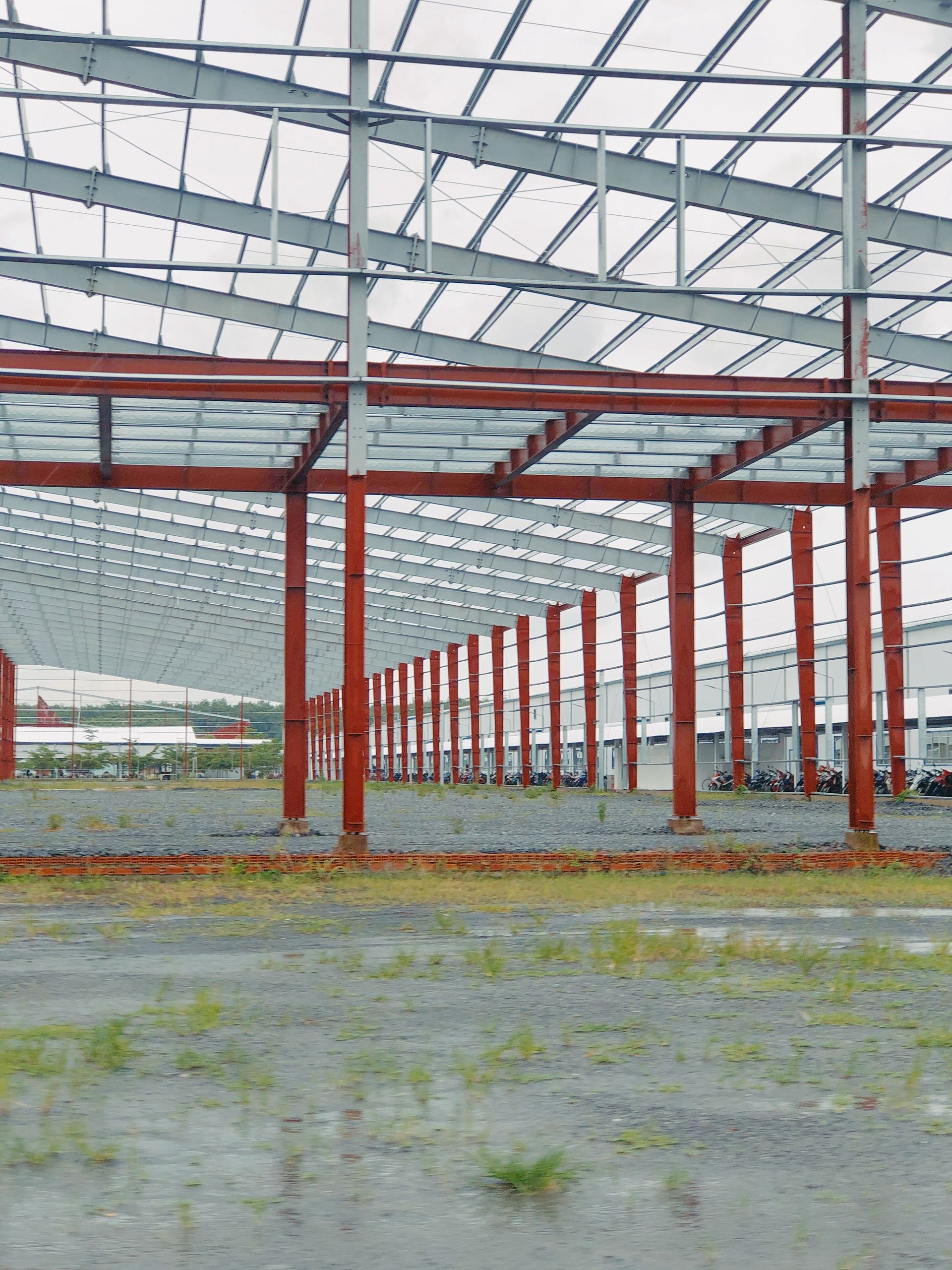
- Trusses: Diagonal frameworks that span vast distances. You see these most of the time supporting huge warehouse roofs or sports arenas.
- Hollow Structural Sections: Clean, tubular metal components. These are used when architects want the steel visually exposed to the public.
Benefits of Structural Steel Fabrication in Construction
Strength and Durability
Nothing holds heavyweight quite like structural steel. It fights off heavy winds, severe weather, and even earthquakes. It remains the standard for large commercial builds today.
Cost-Effectiveness and Speed
Custom fabrication speeds up the entire construction job. Parts show up at the site fully ready to bolt in place.
This speed is a lifesaver for Pre-Engineered Metal Buildings, where getting the roof up quickly is the whole point. You end up saving thousands on hourly field labor.
Sustainability
Commercial construction creates a ton of landfill waste. Steel doesn’t do that at all because it features complete recyclability.
You can tear down an old warehouse, melt the steel, and build a brand new hospital. The metal never loses its structural strength.
Industries That Rely on Fabricated Steel
You see fabricated steel holding up e-commerce distribution centers, chemical plants, and multi-story office buildings.
It serves as the true backbone of reliable Commercial Construction Services. Every major industry needs safe, compliant facilities to operate out of.
Without high-quality fabrication, our city infrastructure would literally crumble to the ground.
Why Choose BT Steel Contractors LLC for Your Next Project?
Finding a steel shop is fairly easy. Finding one that actually hits their deadlines without making excuses is the hard part.
With years of hands-on experience, BT Steel Contractors LLC delivers exact results. We handle the entire process from the very first blueprint to the final field erection.
We do not cut corners. Our team is dedicated to meeting all AISC safety and engineering standards. Every single beam gets inspected before it goes onto a delivery truck.
We work directly alongside our clients to kill delays and maximize structural integrity. We have the best CNC expertise to manage massive commercial frameworks and enormous industrial builds.
We know 2026 is a tough year for construction budgets and short schedules. We get the job done right the first time, keeping your project on schedule and on budget.
Frequently Asked Questions
Q. What are the steps involved in steel fabrication?
A. It all starts with digital blueprints. From there, shops use CNC machines to cut the metal, heavy presses to bend it, and expert welders to piece it together. The final step is always a protective surface coating.
Q. Is custom steel fabrication expensive?
A. You pay more upfront, but it actually protects your budget in the long run. Since the pieces arrive at the site ready to install, you completely avoid weeks of expensive field labor and unpredictable delays.
Q. What materials do fabricators use?
A. Most shops rely entirely on structural carbon steel. The metal has to meet strict ASTM grading standards so it won’t buckle or fail under massive industrial weight.
Q. Why is surface preparation important?
A. Bare steel rusts almost immediately if you leave it unprotected. Proper cleaning and coating seal the moisture out completely. That one simple step easily adds decades to a building’s life.
Conclusion
Structural steel fabrication literally keeps our modern world standing up straight. It demands crazy mechanical precision and serious engineering know-how.
Understanding how this process works helps you make much smarter choices on your next commercial build. You learn how to spot bad contractors before they cost you serious money.
Building something that lasts means hiring a fabricator who knows the high stakes involved.
Have blueprints ready for your next commercial project? Contact our estimating team today. Let’s talk about how precision fabrication can keep your timeline strictly on track.