How Much Does It Cost to Build a Garage? Size, Materials & Pricing Explained
Are you completely tired of scraping thick ice off your windshield every freezing winter morning? If you are ready to fix this daily problem, you are likely asking yourself, how much does it cost to build a garage right now.
To give you the short answer upfront, pricing generally ranges from $16,000 to $39,000 based heavily on your chosen size and materials. A standard two-car layout, sitting right around 576 square feet, is the most common size property owners build today.
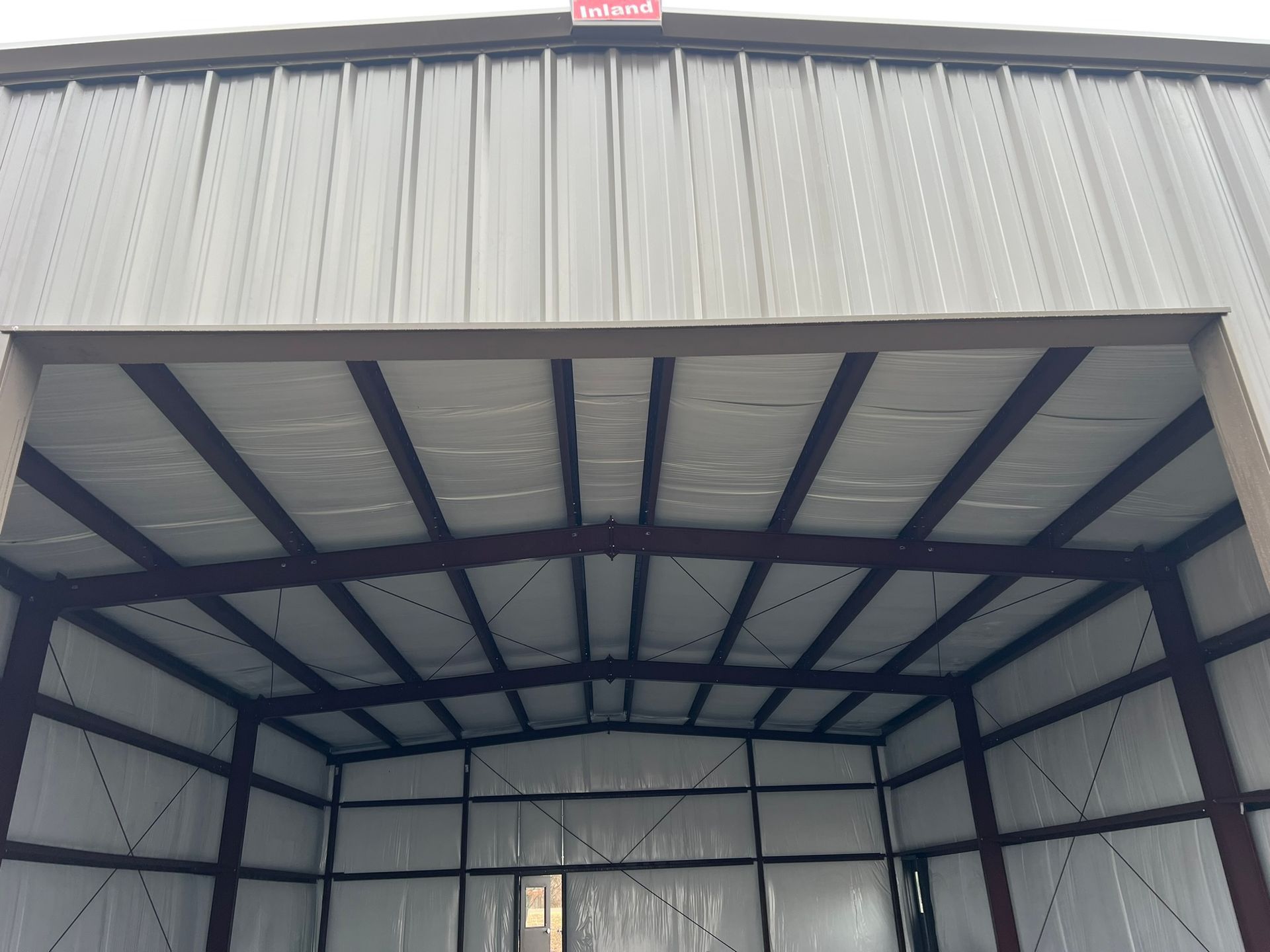
When looking at materials, you can choose between traditional wood lumber or highly durable steel framing. Steel is often the smarter choice for your budget because it goes up much faster and requires almost zero maintenance over the passing decades.
Whatever your specific reason might be for building, adding a new structure is an exciting journey. Let us break down all the complex details clearly so you can easily plan your upcoming project without any stress.
How Size Impacts Your Garage Cost Per Square Foot
The physical footprint of your new building is the biggest factor in determining the final budget. Contractors usually look at upcoming projects in terms of their total square footage and overall layout. You must carefully measure your property to ensure the dimensions you want will actually fit legally.
Knowing your ideal layout early on helps prevent expensive changes once the concrete is already poured. Here are a few sizing details to keep in mind:
● A basic one-car layout typically needs at least 240 to 300 square feet of total space.
● A standard two-car design usually requires around 400 to 600 square feet to be comfortable.
● Adding extra depth for heavy toolboxes or workbenches adds another 100 square feet easily.
● Building higher walls to accommodate an automotive lift increases the necessary framing materials significantly.
● Scaling your floor plan down slightly is the fastest and easiest way to lower your total invoice.
When you sit down with graph paper, knowing the exact garage cost per square foot ensures total budgeting accuracy. Most local builders agree that this specific metric typically falls between $40 and $70 across the country.
You can easily scale your building plans up or down to match the exact money you have saved in the bank. Doing the quick math with this reliable baseline provides a solid starting point before adding luxury touches.
If you own large trucks or oversized SUVs, you will absolutely need to plan for deeper bays and taller entry doors. Ignoring vehicle height and length during the early planning phase is a common mistake that is very expensive to fix later.
Choosing the Right Materials
The structural components you select will dictate both the immediate expense and the long-term durability of the building. Traditionally, residential buildings were framed with regular wood lumber, but nationwide prices fluctuate rapidly. Wood is also constantly threatened by hungry termites, nasty rot, and severe residential fire hazards.
Because of these frustrating issues, many homeowners are turning to stronger metal buildings instead. Your overall garage construction cost becomes much easier to predict when you use prefabricated steel kits instead of raw lumber. Consider these material facts before making your choice:
● Wood framing is traditional but requires heavy ongoing maintenance and frequent exterior painting.
● Steel framing is incredibly durable, fire-resistant, and goes up much faster on the active job site.
● Standard asphalt roof shingles are budget-friendly but need replacing every fifteen to twenty years.
● Standing seam metal roofs cost more upfront but can easily last fifty years with zero maintenance.
● Cheap aluminum doors let freezing air inside, while heavy-duty insulated doors provide superior climate control.
Upgrading your exterior siding is another choice that heavily impacts your wallet and your neighborhood curb appeal. Matching the new exterior perfectly to your existing home usually requires custom ordering materials, which adds extra time and money.
But a lot of homeowners say that making the additional building fit in perfectly with their house makes it look a lot better overall. If you choose a metal structure, modern finishes can easily mimic the look of traditional siding without the heavy maintenance.
Breaking Down the Cost to Build a Garage and Pricing Details
Figuring out the final price tag can feel a lot like navigating a complex maze blindfolded. The national average cost to build a garage usually sits somewhere between $16,000 and $39,000. Basic utility structures fall on the lower end, while fully customized, heated spaces push you much higher.
Understanding where your money actually goes makes the planning process much less stressful. Keep these pricing factors in mind:
● Professional construction labor typically eats up forty to fifty percent of your entire project budget.
● Pouring a thick, level concrete foundation is a massive, unavoidable upfront material expense.
● Adding interior drywall, heavy insulation, and fresh paint adds thousands of dollars to the final bill.
● Running professional electrical wiring and plumbing lines increases costs but vastly improves daily usability.
● You must always budget a few hundred dollars for mandatory local city building permits and inspections.
Do not forget to set aside extra money for unexpected site preparation tasks like heavy dirt excavation or tree removal. If your backyard is unlevel, dirt must be professionally graded before the foundation crew can safely pour the concrete slab.
Installing proper drainage systems around the foundation is also critical to prevent future flooding issues during heavy rainstorms. These invisible ground updates are mandatory for a long-lasting building, even if they eat into your visual upgrade budget.
Getting a Reliable Estimate
One of the biggest decisions you will face is where to actually place the new building on your land. Connecting it directly to your home is often slightly cheaper because you use an existing structural wall. This attached layout makes carrying groceries inside during a heavy rainstorm incredibly easy and convenient for families.
However, many property owners strongly prefer the true freedom and privacy of a separate, standalone building. When reviewing a detached garage cost estimate, remember you must account for paying for four brand new walls. You also have to pay for separate utility trenching through your yard to connect power and water.
While it costs more upfront, a standalone unit keeps noisy workshop sounds away from your quiet living room. It also gives you the flexibility to build a larger structure without worrying about tying into your current home's roofline.
Before signing any contracts, always ask your builder to physically walk your property to catch potential placement issues. A reliable contractor will spot overhead power lines, underground utility pipes, and property setback lines that might disrupt your plans.
Interior Upgrades and Long-Term Investment
Leaving the interior walls bare is perfectly fine if you just need to park your family sedan and a lawnmower. But if you want a clean, finished look, you must budget heavily for hanging thick drywall and applying fresh paint. This turns a basic storage shed into a highly comfortable extension of your actual living space.
Adding proper fiberglass or spray foam insulation is absolutely vital if you live in a region with extreme weather. Insulation keeps the space warm during bitter winters and significantly cooler during those hot, sticky summer months.
Choosing strong metal over wood often lowers your overall project bills by eliminating future structural repairs entirely. You get a solid, tough building that stands up to heavy snow and fierce winds effortlessly. This significantly boosts your home's resale value and overall visual appeal to future buyers.
Step by Step Guide to Starting Your Project
1.Sit down quietly and decide on the exact main daily purpose of the new space.
2.Carefully measure your backyard dirt to see what size building will actually fit comfortably.
3.Choose smartly between an attached wall layout or a standalone, unattached yard design.
4.Pick your main structural framing materials, highly considering the long-term benefits of strong steel.
5.Call several local area contractors to get highly detailed, written building estimates and quotes.
6.Secure absolutely all the required legal building permits from your local city planning office.
7.Clear the land completely, pour the solid concrete foundation, and begin the active framing process.
Pro Tip for Smart Planning
Always plan for your future electrical needs right now during the very initial design phase. Ask your hired electrician to run extra wall outlets and higher voltage lines during the active build. Doing this while the walls are totally open costs only mere pennies on the dollar. It is far cheaper than tearing up beautifully finished drywall to add extra power years later.
Frequently Asked Questions
Q. What is the absolute cheapest way to build?
A. Using a simple, prefabricated metal steel kit is usually the most budget-friendly option on the market today.
Q. Do I really need a building permit?
A. Yes, almost all towns and major cities in the USA require proper permits and official city inspections.
Q. How long does the actual construction take?
A. A standard residential build typically takes between four to eight full weeks, heavily depending on the local weather.
Q. Is a strong metal roof worth the extra money?
A. Yes, metal roofs last decades longer than standard cheap asphalt shingles and require almost no maintenance.
Q. Does adding a new building increase property value?
A. Absolutely, it significantly boosts your home's total exact resale value and overall visual appeal to future buyers.
Q. Should I insulate the interior walls?
A. If you ever plan to work inside during freezing winters or scorching summers, thick insulation is an absolute must.
Conclusion
Building a brand new space is a major financial step for your family, but breaking the numbers down early makes the planning process a lot easier. Focus entirely on solid structural durability and high-quality craftsmanship from day one to help manage your long-term cost to build a garage and avoid expensive repairs down the road.
If you are tired of putting off this project, it is time to finally get it done. The crew at B.T. Steel Contractors, LLC knows how to build solid steel buildings that actually fit what you want to spend. We handle the hard work from the dirt up, so visit our website btsteel.net or give us a call today to get a real, honest quote for your yard.