Why Commercial Metal Buildings Are the Smartest Investment for Businesses

Chris Randle • February 27, 2026

Look, if you are running a business, you know the drill. Every single dime you spend needs to bring money back with it. Whether you are breaking ground right here in Dyersburg, expanding your reach across Tennessee, or setting up a new shop in the Missouri Bootheel, the building you choose isn’t just a shell. It’s an asset. It’s either going to work for you, or it’s going to drain your bank account with endless repairs and wasted energy.


We’ve been in this game for a long time, and if you look around any industrial park or commercial district in the South these days, you’ll notice something. The wood frames are disappearing. The heavy masonry blocks are getting rarer for main structures. Instead, you see steel.


There is a reason for that, and it isn’t just a trend. Business owners have finally done the math. They figured out that commercial metal buildings aren't just an “option” anymore; they are the standard for anyone who cares about their bottom line.


If you are still weighing your options for a new warehouse, retail center, or office complex, put down the brochures for a second and let’s talk facts. Real facts. Here is why steel is the smartest check you will ever write for your company.


Speed: Because Time is Money (Literally)

In traditional construction, “hurry up and wait” is just how it goes. You wait for the lumber yard. You wait for the rain to stop so the wood doesn’t warp before you get the roof on. You wait for framing crews that are booked out for six months.

Meanwhile, your construction loan is ticking. You are paying interest on a dirt lot and a half-finished frame, and you aren’t selling a single product or servicing a single client. That kills cash flow.

Steel flips the script. This is how steel commercial construction gets you operational while the other guy is still pouring footings:

Factory Precision: We aren’t out there measuring and cutting every single board in the mud. The major components are pre-cut, pre-drilled, and welded at the factory. It’s precise to the millimeter.

It’s Assembly, Not Fabrication: When the truck shows up, it’s like a giant erector set. We are bolting things together, not building from scratch. It goes up fast.

Weather? No Problem: Steel doesn’t soak up water like a sponge. We don’t have to stop every time a storm rolls through Dyersburg to let the framing dry out.

Getting your keys 30% faster means you start billing your customers 30% sooner. That’s real money in your pocket.


Built for the Mid-South Weather

You know what the weather is like around here. One minute it’s sunny, the next we’ve got straight-line winds, hail, or a humid heat wave that feels like a sauna.

Traditional wood buildings have a hard time with that. Wood is organic. It wants to rot. It wants to twist. And don’t get us started on termites. In Tennessee and Arkansas, termites are practically a guarantee if you give them a chance.

Steel doesn’t care about any of that. When you go with a red-iron steel building, you are eliminating the biggest headaches of property ownership:

Termites hate it: You can’t eat steel. You just saved yourself a lifetime of pest control bills and structural repairs.

Fire safety: Wood burns. Steel doesn’t. It’s non-combustible. That keeps your inventory safe and your employees safer.

Wind loads: These buildings are engineered to stand up to the kind of gusts that rip shingles off houses.

Straight and True: Humidity doesn’t make steel expand and jam your door frames. Your building stays square.


The Money Talk: Cost vs. Value

A lot of folks get sticker shock because they compare the price of a steel kit to a pile of 2x4s. But that’s not an ‘apples to apples’ comparison. You have to look at the total cost to get the building finished and running.


1. Labor is the Killer

Since steel goes up so much faster, you are paying for way fewer man-hours on the job site. You don’t need a massive crew living on your property for six months. That labor saving usually offsets any difference in material cost right off the bat.


2. Insurance Companies Love Steel

This is the one nobody thinks about until they get the quote. Insurance rates are all about risk. A wood building is a fire risk. A steel building is not. Because metal commercial buildings are so tough, carriers often knock a significant chunk off your premiums. Over ten years, those savings alone can be massive.


3. Energy Bills

Old metal sheds used to roast you in the summer. We don’t build those anymore. Modern insulation systems for these buildings are incredible. We can seal up the building envelope so tight that your HVAC barely has to run to keep the place 70 degrees. That’s the monthly overhead you don’t have to pay.


Sustainability: Not Just Green, It's Smart

We’re a contractor, not an environmental activist, but we hate waste. And we know you hate paying for dumpsters.

Steel is the most recycled material on earth. When you build with wood, you always end up with a mountain of scrap (cut-offs, warped boards, damaged drywall) that you pay to haul to the landfill.

With steel, the waste is almost zero because everything comes cut to length. Plus:

Recyclability: If this building ever comes down in 100 years, the steel will be melted down and used again. It doesn’t rot in a landfill.

Efficiency: Because the construction is so tight, you aren’t heating the outdoors.

Tax breaks: Sometimes, depending on local codes and certifications (like LEED), going with a green building material like steel can open up tax incentives.


Resale Value: Thinking Ahead

You may plan to pass this business to your grandkids, or you may plan to sell it in ten years and retire to Florida. Either way, you want the building to hold its value.

Wood buildings age. They start to look tired. Siding rots, rooflines sag, and things smell musty. Buyers see that and immediately deduct “repair costs” from their offer.

Steel stays looking new. A twenty-year-old steel building, if you wash it occasionally, looks like a one-year-old steel building. The structural integrity doesn’t degrade. That means when the appraiser comes out, your asset is worth more. It’s liquid equity.


Versatility: Don't Box Yourself In

Here is the thing about business: it changes. Today, you need a warehouse. Tomorrow, you need a showroom.

If you are in a traditional building with load-bearing walls every 12 feet, good luck renovating. You have to bring in engineers, shore up the roof, and demo concrete. It’s a nightmare.

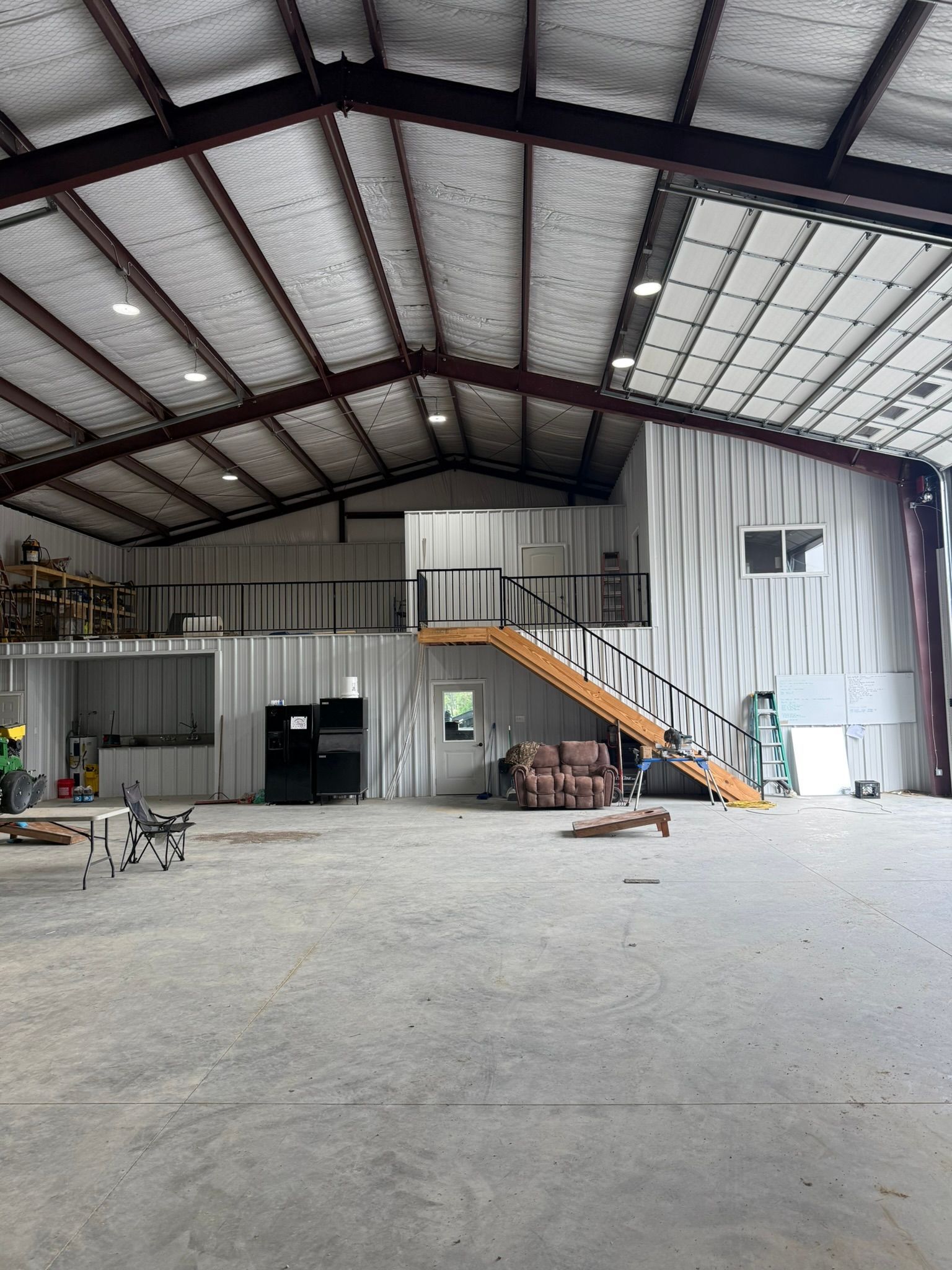
Steel buildings give you what we call “clear span.” That means no columns in the middle. The weight is carried by the frame on the outside walls.

Wide Open Space: You can put walls wherever you want them.

Change it Later: If you need to move an office wall, you move it. It’s not holding up the roof.

Expansion is Easy: Need to double your size? We take off the end wall, bolt on new frames, and put the wall back on. Try doing that with a brick.


Maintenance: Set It and Forget It

You have a business to run. You don’t have time to be a building superintendent. You don’t want to be climbing ladders to paint eaves or replacing shingles every time the wind blows hard.

Metal buildings are as close to “maintenance-free” as you get in this life.

Paint Warranties: The factory finishes on these panels are baked on. They don’t peel. They don’t fade for decades.

The Roof: A standing seam metal roof can last 50 years easily. Asphalt shingles? You’re lucky to get 15.

Cleaning: Once a year, spray it down with a pressure washer to get the dust off. That’s about it.


Curb Appeal: It Doesn't Look Like a Barn

Some people hear “metal building” and think of an old rusty shed. Get that image out of your head.

We can dress these things up however you want. We can put brick facades on the front, install big glass storefronts, use stone wainscoting, or stucco. We can make a steel building look like a high-end retail plaza or a sleek modern office.

You get the strength of the “red iron” skeleton, but the outside looks professional and sharp. Your customers won't know the difference, but your bank account will.


The Local Difference with B.T. Steel Contractors

Here is the most important part. You can buy the best steel package in the world, but if you hire a crew that doesn’t know what they’re doing, you’re going to have a leaky, crooked mess.


At B.T. Steel Contractors, LLC, we aren’t ‘fly by night’ guys. We’ve been serving Tennessee, Missouri, Kentucky, and Arkansas for over 30 years. We know the dirt here. We know the codes. We know the people.


We handle the whole process. From the site prep and the concrete work all the way to the trim work. We don’t just sell you a building, we build it.


The Bottom Line

You can keep doing things the old way, paying more for insurance, waiting longer for construction, and worrying about rot and repairs. Or you can make the smart play.

Save the cash on maintenance and energy.

Get open faster so you can start making a profit.

Sleep better knowing fire and termites aren’t a threat.

Keep your options open with a flexible layout.

It’s not just a building. It’s the foundation of your business’s future. Make sure it’s built of steel.

Ready to get serious about your next project? Give B.T. Steel Contractors, LLC a call. Whether you are in Dyer County, Northeastern Arkansas, or anywhere in our service region, let’s sit down and talk about building something that lasts.
By Chris Randle February 26, 2026
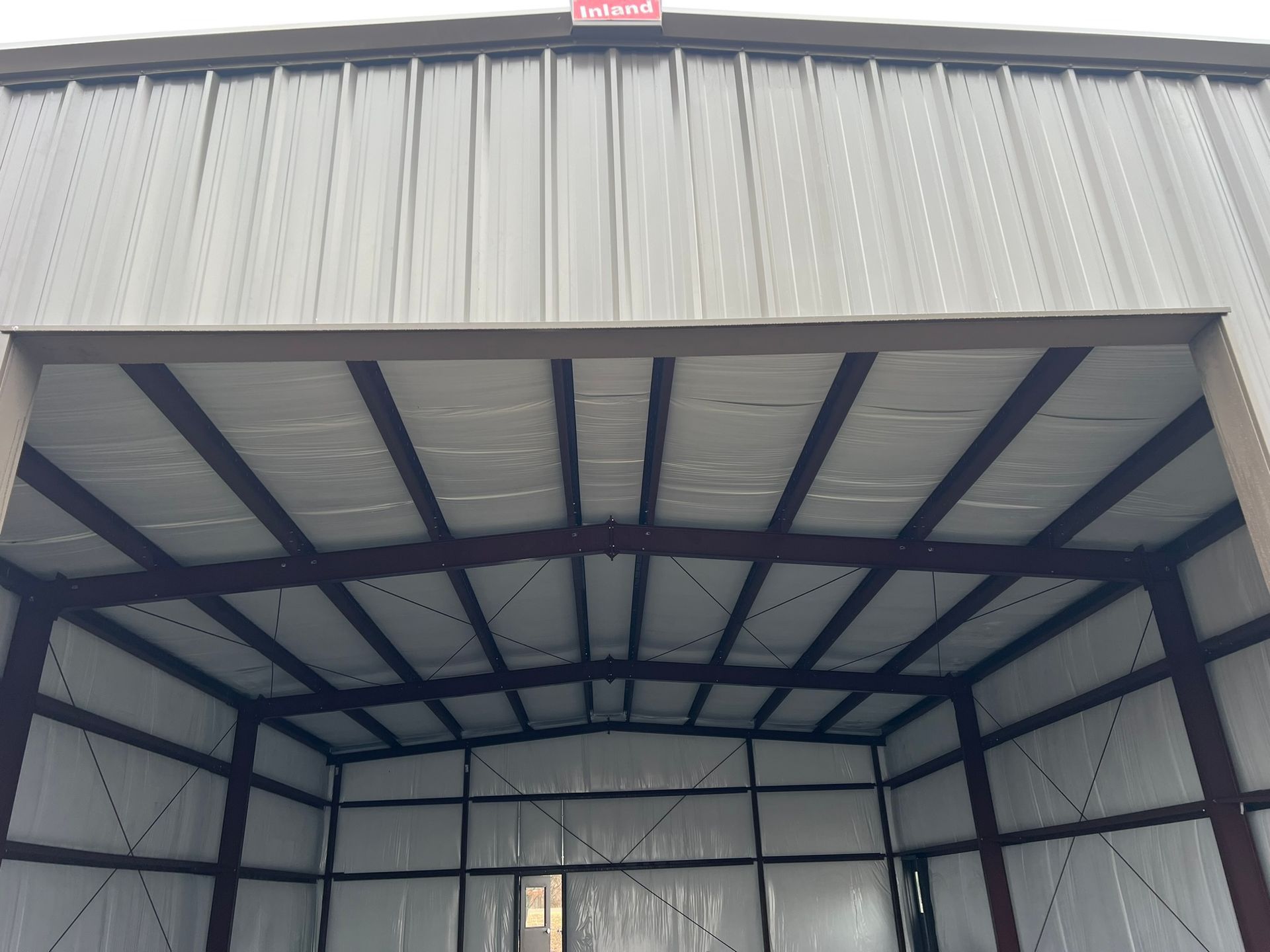
Walk onto any multi-generational farm today and you’ll see the history of American agriculture written in the structures themselves. You’ll likely see an old timber-frame barn that’s leaning just a bit to the left, a few weathered sheds, and, more and more frequently, a massive, gleaming steel structure that looks like it could handle a hurricane without a dent. The landscape is changing because the stakes of farming have changed. We aren't just storing a few bales of hay anymore, we’re protecting six-figure combines, climate-sensitive livestock, and the very future of our family businesses. That’s why agricultural metal buildings have moved from being a "nice to have" to the absolute gold standard for the modern homestead. If you’re standing at the crossroads of a new construction project, the choices can feel heavy. You’re not just buying a building; you’re making a twenty-to-thirty-year investment. Why We’re Walking Away from Wood For decades, wood was the only way. It was accessible, familiar, and relatively cheap. But any farmer who has spent a weekend replacing rotted sills or fighting off a termite infestation knows that wood comes with a high "maintenance tax." Steel changes that math entirely. When we look at metal barns for farms, we’re looking at a material that doesn’t rot, doesn't warp under the summer sun, and certainly doesn't provide a buffet for local pests. Beyond just staying upright, there's the safety factor. We’ve seen enough "hay fires" in our time to know that a wooden barn is basically a giant tinderbox. Steel is non-combustible. It doesn't mean a fire can't happen inside, but it means the building itself isn't fueling the flames. That one detail alone often leads to significantly lower insurance premiums, putting money back in your pocket every single year. The Power of the Clear-Span Design One of the biggest "aha" moments for farmers switching to steel is realizing they can actually move inside their buildings. Traditional pole barns or timber structures require interior support posts. Those posts are magnets for tractor fenders and they dictate exactly where you can, and can't, park your gear. Steel construction allows for "clear-span" designs. Because the frame is so much stronger than wood, it can span massive distances without a single interior post. ● Total Maneuverability: You can drive a wide-head combine straight in and turn it around without a 12-point turn. ● Flexible Footprints: Today it’s a hay barn, tomorrow it’s a workshop. Without posts in the way, the floor plan is yours to change as your operation evolves. ● Vertical Volume: Steel allows for much higher ceilings, which is essential as modern equipment continues to get taller and wider. Customizing for the Modern Workflow A lot of folks think a metal building has to look like an airplane hangar. That couldn't be further from the truth. Today’s customization options mean your new structure can actually look like it belongs on the property. We can match the colors of your existing home, add wainscoting for a traditional look, and choose roof pitches that handle your local snow loads perfectly. But the real customization happens in the "guts" of the building. ● Insulation That Works: If you’re housing livestock or spending winters in the shop, you need more than just a shell. We use high grade insulation packages that keep the interior temperate and stop condensation from dripping on your expensive tools. ● Smart Ventilation: Animals need fresh air. We can integrate ridge vents, louvers, and massive overhead doors that create natural cross-breezes, keeping your herd healthy and your grain dry. ● Integrated Lighting: We can place skylights and high efficiency LED packages exactly where the work happens, so you aren't squinting at a gearbox at 5:00 AM in January. The Real Talk on Steel Farm Buildings Cost Let's talk about the price tag, which is the big issue. When you look at steel farm buildings cost, you have to look past the day-one check. Yes, steel prices can fluctuate based on the global market, but when you zoom out, the value is undeniable. First, consider the labor. Because these buildings are precision-engineered and prefabricated, they go up in a fraction of the time it takes to build a traditional structure. That’s weeks of labor costs saved. Second, look at the maintenance. We always tell our clients: "Calculate the cost of painting a wooden barn three times over 20 years, then add the cost of a new roof." With steel, that maintenance cost is practically zero. When you add up the insurance savings, the durability, and the increased property value, the return on investment (ROI) usually pays for itself much faster than people realize. Deep Dive: Foundations and Soil Prep We can’t stress this enough; your building is only as good as the ground it sits on. One common mistake we see beginners make is rushing the site prep to save a few bucks. On an American farm, soil conditions can vary from heavy clay that expands when wet to sandy loam that shifts under pressure. Before you even think about the steel, you need a solid foundation plan. ● Poured Concrete Slabs: This is the "gold standard" for workshops. It’s clean, easy to sweep, and provides a level base for heavy machinery. Just make sure your contractor adds a vapor barrier to prevent moisture from seeping up through the floor. ● Pier Foundations: If you’re just building a hay shed or a run-in shelter for cattle, you might not need a full slab. Concrete piers can anchor the main frames into the ground, saving you money on concrete while keeping the building rock-solid. ● Drainage is King: You need to grade the land so that water moves away from the building. We’ve seen beautiful barns ruined because the owner didn't realize they’d built in a "low spot." Always plan for gutters and downspouts to carry that runoff far from your foundation. Livestock Comfort: More Than Just Four Walls If you’re building for animals, the design rules change. Cattle and horses have different needs than a tractor. Steel offers a level of hygiene that wood can't touch. Wood is porous, it soaks up bacteria, waste, and moisture. Steel can be hosed down and sanitized quickly, which is a massive win for herd health. However, you have to manage the acoustics and temperature. Animals can get spooked by the loud "drumming" of rain on a bare metal roof. That’s why we recommend a "sandwich" insulation panel or a high-quality blanket insulation. It dampens the sound and keeps the building from becoming an oven in July or a freezer in January. Happy animals are productive animals, and a well-designed metal barn is a huge part of that equation. Planning Your Build: Avoiding the "I Wish I Had" Moments In 20 years of doing this, we’ve never heard a farmer say, "I wish I built this barn smaller." In fact, it’s always the opposite. When you’re in the planning phase, here is what you need to keep in mind: 1. Future-Proofing: Plan for expansion now. We can design the end walls of your building so that adding another 40 feet in five years is a simple bolt-on project rather than a major renovation. 2. Entry Points: Think about your largest piece of equipment. Now add two feet of clearance on either side. That’s your door size. Trust me on this one. 3. Permit Hazards: Every county in the USA has different rules for wind speeds and snow loads. We ensure your building is engineered for your specific zip code, not a generic national average. A Legacy Built to Last Farming isn't just a job, it’s a legacy. You’re building something for the next generation. A wooden barn might make it to your kids' era, but a well-maintained steel building will likely be there for your grandkids. It’s a statement of stability. It shows that your operation is modern, efficient, and prepared for whatever the weather throws at it. Steel is the ultimate "set it and forget it" material. It lets you focus on what really matters (your crops, your cattle, and your family) rather than worrying if the barn roof is going to hold up through the next big storm. Why the Right Partner Makes the Difference At the end of the day, a building is only as good as the team that puts it together. We’ve seen the "budget" kits that show up with missing bolts and instructions that don't make sense. That’s not how we operate. We believe in honesty, American-grade quality, and a handshake that means something. We're here to help you with everything, from the first soil test until the day you get the keys. The transition to a modern farm involves making smart, data-driven decisions. Choosing an agricultural metal building is a move toward efficiency, safety, and durability. We're ready to assist you get there if you're willing to stop fixing things from the past and start planning for the future. Let's develop something that is as tall as your reputation.
commercial metal building contractor
February 17, 2026
Find a reliable commercial metal building contractor who handles everything from dirt to roof. Our guide helps you avoid bad hires. Click to read more.
Unlock Top Pre-Engineered Metal Building Benefits
By Chris Randle February 10, 2026
Discover essential pre-engineered metal building benefits for your next project. Save time and money with durable steel solutions. Click here to learn more.
Red iron barndominium
By Chris Randle January 30, 2026
Building a barndominium? Discover why red iron building construction offers the best durability and open layouts for your 2026 project. See our guide now.