How Long Do Steel Buildings Last? Lifespan, Durability & Maintenance Guide
Summary: “Steel buildings typically last 50 to 100 years or more, with longevity depending on steel quality, protective coatings, climate, drainage, and consistent maintenance. Key components such as structural framing can last 70–100+ years, while roof panels, fasteners, sealants, and coatings may need periodic replacement or upkeep sooner. Regular inspections, proper drainage, cleaning, prompt touch-up of damaged coatings, and timely replacement of worn seals and fasteners can significantly extend the building’s service life.”
Quick Answer: Steel buildings easily last 50 to 100 years. The exact timeline depends heavily on the initial steel grade, your local climate, and sticking to a routine maintenance schedule.
You want a building that stays standing. You don't want to deal with rot, termites, or endless repairs. That’s exactly why commercial developers are ditching traditional lumber entirely. We’ve walked hundreds of job sites over the years, and the story never changes. Wood eventually bows and rots out. When you invest in commercial steel building construction, you eliminate the organic decay that plagues traditional framing. You get a facility built for heavy-duty use.
We are cutting through the standard sales pitch today to answer the biggest question on every buyer's mind: how long do steel buildings last? We'll show you exactly how many years you can realistically expect out of a metal structure. We will break down individual component lifespans, look at real-world wear and tear from the field, and give you the exact maintenance steps to keep your building solid for years.
What is the Average Lifespan of a Steel Building?
General expectancy benchmark (50 to 100+ years)
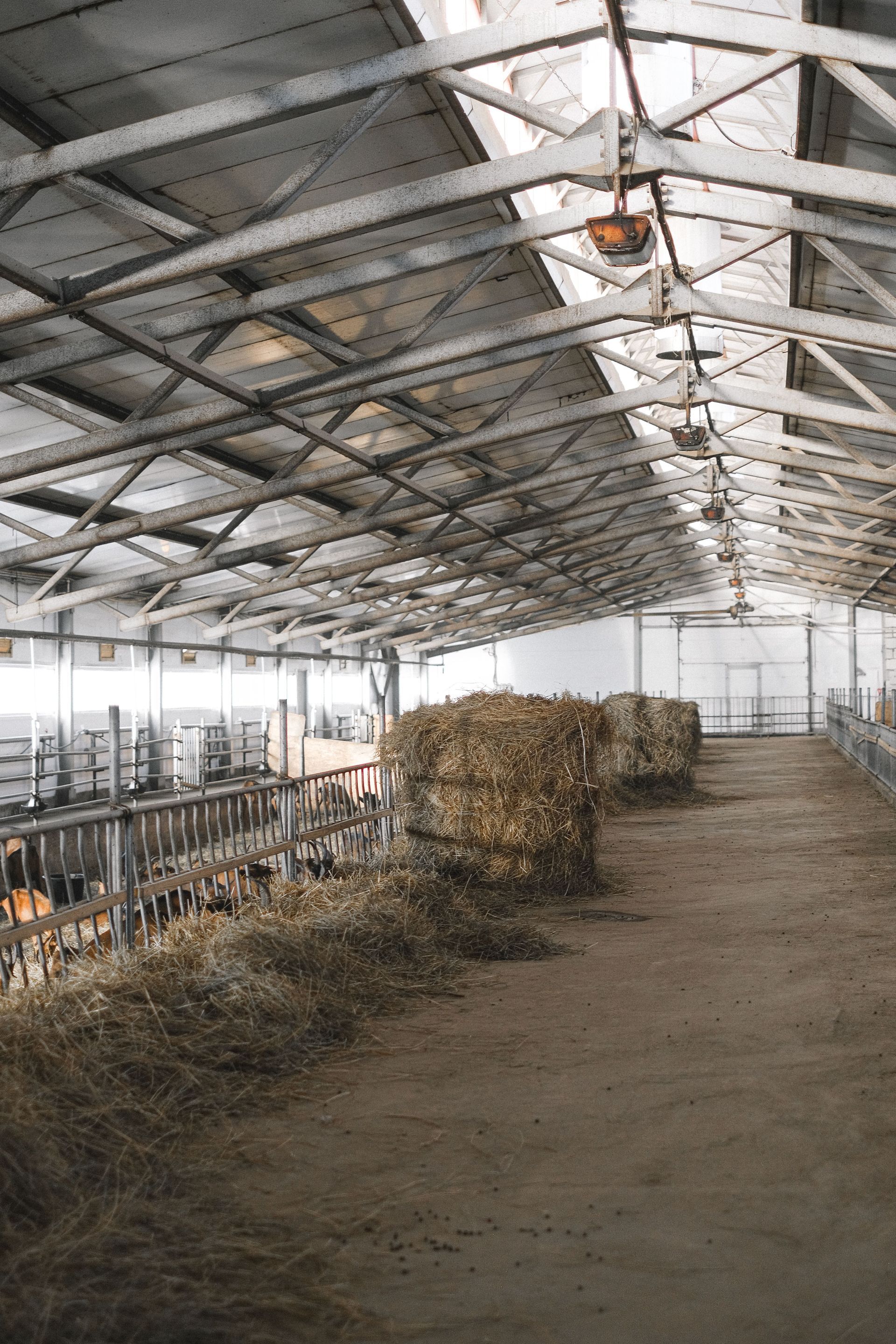
Let's talk numbers. A well-built steel facility will comfortably sit on its foundation for 50 to over 100 years. It’s not just a temporary storage shed. We are talking about permanent, multi-generational commercial centers, warehouses, and industrial plants. The heavy iron skeleton simply doesn't quit.
Pre-engineered metal buildings (PEMB) vs. traditional structural steel
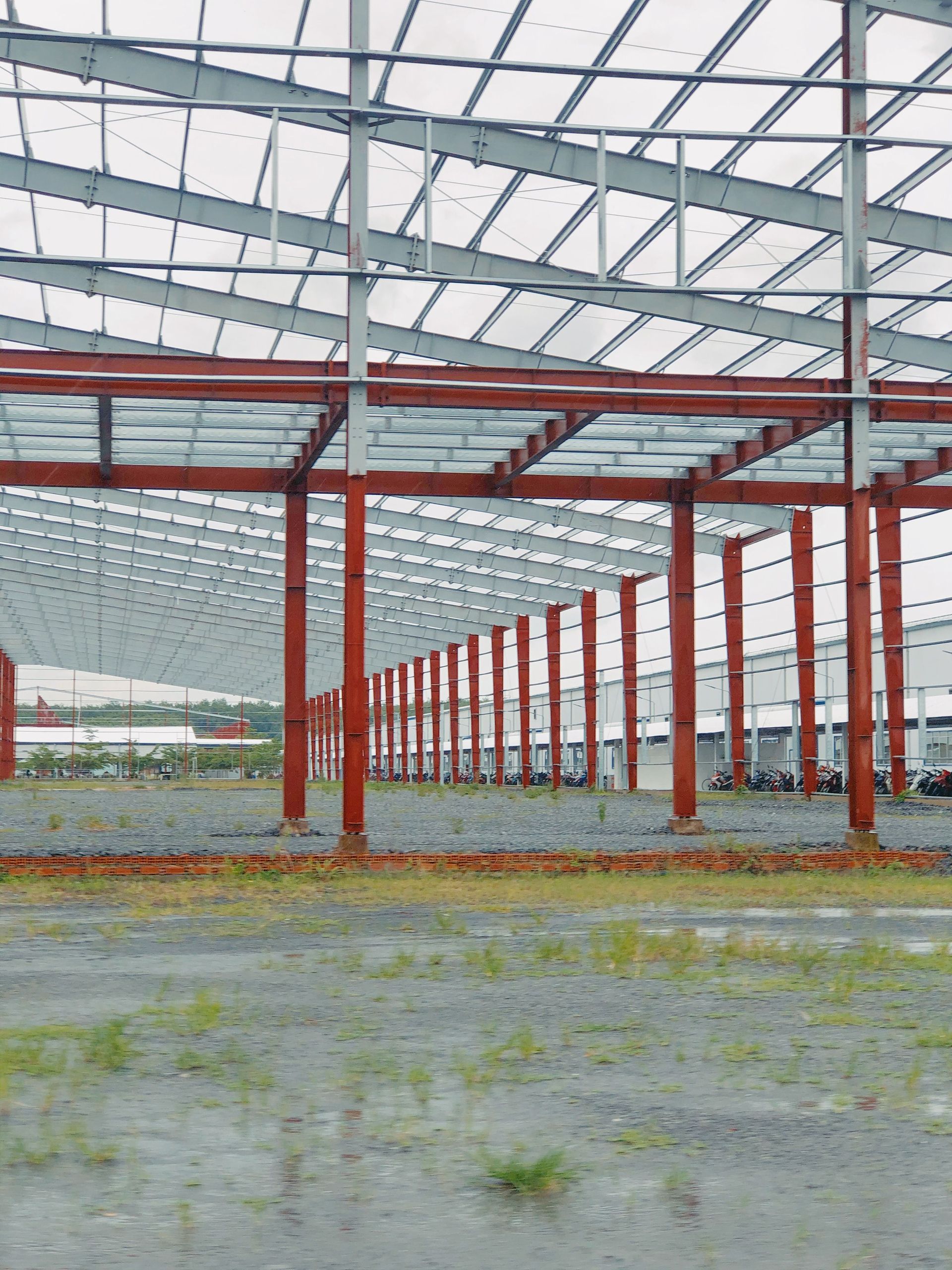
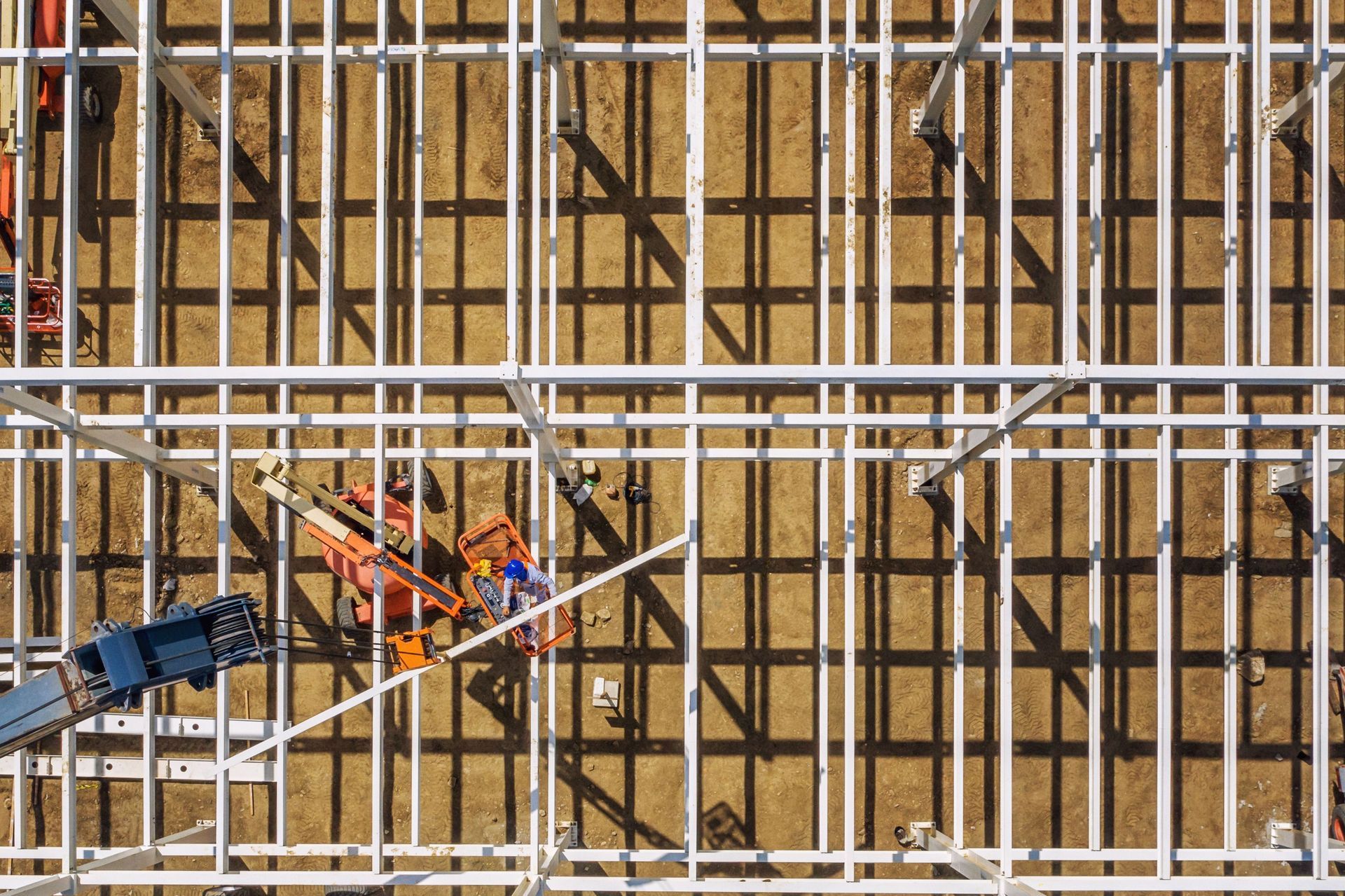
You have two main categories out there. Heavy structural steel is what you see in huge city skyscrapers. It handles insane vertical loads. On the flip side, pre-engineered metal building systems are the backbone of modern commercial business parks. They arrive at your site already cut, drilled, and coated. Because they are manufactured in a controlled factory setting with zero guesswork, you get a highly predictable 50-plus year lifespan right out of the gate.
Featured Snippet Box: Quick Answer Summary Table
| Component | Average Lifespan | Primary Maintenance Action |
|---|---|---|
| Steel Framing (I-Beams) | 70–100+ Years | Keep base plates completely dry |
| Roof Panels & Walls | 30–50+ Years | Wash yearly, monitor paint finish |
| Fasteners & Flashings | 20–30 Years | Replace dried-out rubber seals |
Key Factors That Affect the Lifespan of Metal Buildings
Quality of structural steel and gauge thickness
Not all steel is created equal. The gauge (meaning the thickness) of your steel dictates its survival rate against heavy winds and physical impacts. Going cheap on thin-gauge material means your walls will dent easily if a forklift bumps them. Once it dents, the factory paint cracks, and rust moves in fast.
Protective coatings and hot-dip galvanizing standards
Raw steel hates moisture. To make it last, manufacturers use a process called hot-dip galvanizing. They submerge the raw steel components into molten zinc. This creates a permanent metallurgical bond. It's not just a thin coat of paint; the zinc literally becomes part of the steel, sacrificing itself to stop rust before it starts.
Local environmental conditions and weather exposure
Where you build matters just as much as what you build with. A warehouse in the dry Nevada desert will outlast a facility on the Florida coast by decades. Salt spray from the ocean eats metal alive. If you build near the coast, you need thicker, specialized marine-grade coatings.
Foundation integrity and drainage design
Your steel frame is bolted directly to a concrete slab. If the concrete cracks, the whole building shifts. More importantly, if your site grading is wrong, water pools right at the steel base plates. Standing water will rust out the bottom of your main columns faster than anything else.
Pro Tip: Make sure your concrete contractor slopes the exterior dirt at least 5% away from the building for the first 10 feet. It’s the cheapest insurance policy you can buy against lower-column rust.
Component Breakdown: How Long Do Specific Parts Last?
Steel framing and primary structural members (70–100+ years)
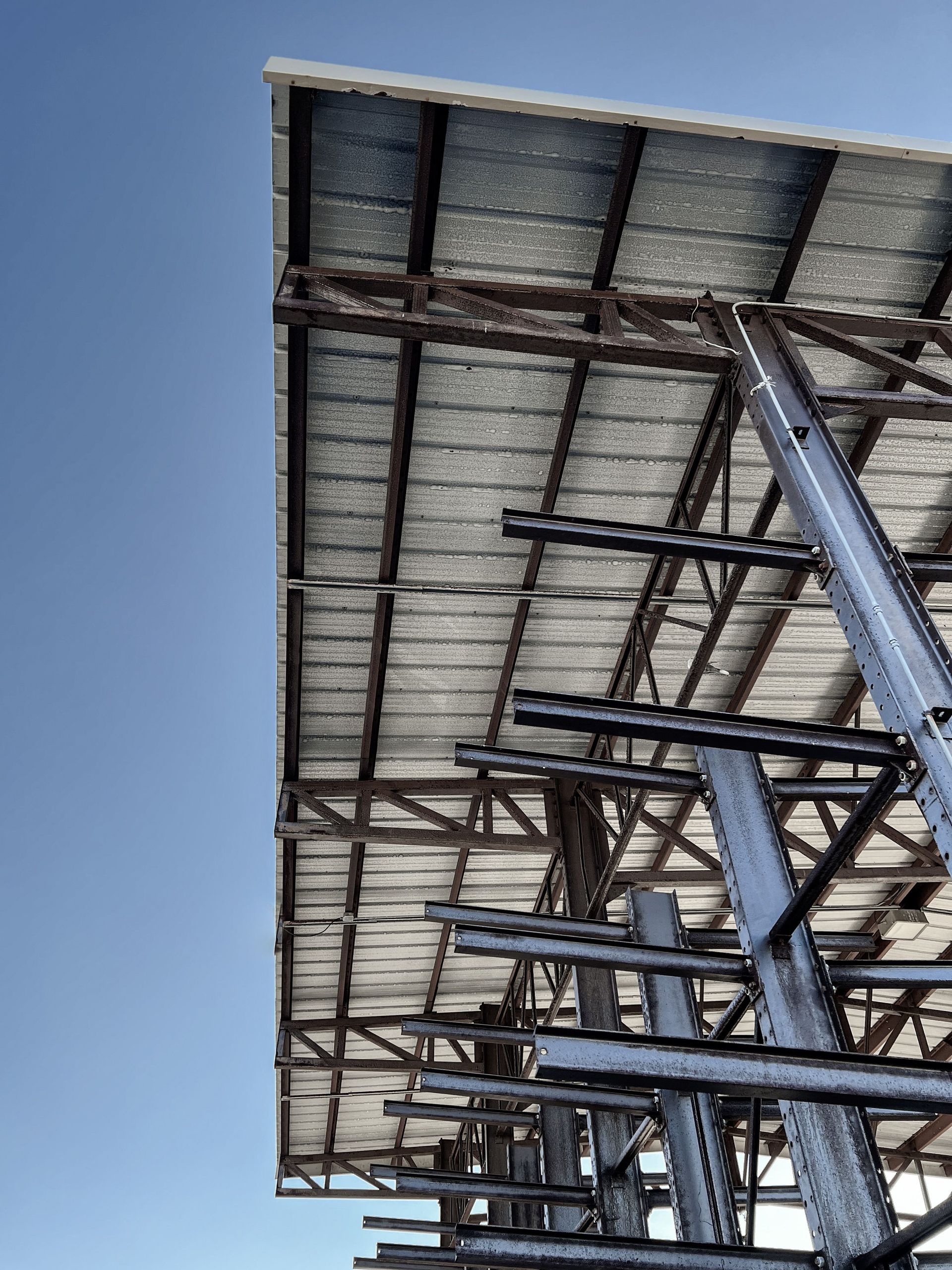
The skeleton of your building (the primary I-beams, rafters, and heavy columns) will likely outlive you. Barring a big structural accident, this framing stays perfectly intact for a century. It handles the heavy lifting without breaking a sweat.
Steel roof panels and wall cladding (30–50+ years before coating/replacement)
The exterior skin takes a daily beating. It bakes in the summer sun, freezes in the winter, and handles hail impacts. The steel itself holds up fine, but the factory-applied paint finishes (like Kynar 500) will eventually chalk and fade. Expect to recoat or swap these outer panels after 30 to 40 years.
Fasteners, sealants, and flashings (20–30 years with periodic updates)
Here is the gritty detail most people miss. The building itself won't fail, the tiny rubber washers on your roof screws will. Thermal expansion causes the metal roof to shift slightly every single day. That friction grinds down the neoprene washers. After 20 years, they dry out, crack, and let rain drip inside.
Steel Buildings vs. Wood and Concrete: Which Wins on Longevity?
Steel vs. wood (pest resistance, rot immunity, warping prevention)
Wood is an organic material. Bugs eat it. Water rots it. The sun warps it. You have to constantly treat lumber with harsh chemicals just to keep it from falling apart. When you look at steel vs. wood framing costs and durability, steel is the undisputed winner. It completely eliminates termite treatments and mold remediation from your yearly budget.
Steel vs. concrete (flexibility, weight-to-strength ratio, crack susceptibility)
Concrete seems tough until the ground moves because it is rigid. If the foundation settles even an inch, the concrete cracks. Steel, however, has an amazing weight-to-strength ratio and can flex safely. During high winds or minor seismic activity, a steel frame bends slightly and returns to center. Concrete just breaks.
Comparison Table: Material, Average Lifespan, Maintenance Needs, Vulnerabilities
| Construction Material | Average Lifespan | Ongoing Upkeep | Biggest Threats |
|---|---|---|---|
| Modern Steel | 50-100+ Years | Very Low | Rust (only if deeply scratched) |
| Traditional Lumber | 30-50 Years | High | Termites, Rot, Fire, Warping |
| Poured Concrete | 50-80 Years | Medium | Cracking, Foundation Settling |
Why Trust BT Steel Contractors, LLC?
Years of field experience in commercial and industrial construction
We aren't just sitting behind desks writing about theory. We've spent years out in the dirt, designing, fabricating, and erecting these structures. We know exactly what fails after 20 years in the field because we’ve been called out to fix it.
Certified fabrication standards and engineering precision
Our crews use American-made structural steel. We don't cut corners with cheap, unverified imports. Everything we touch meets rigorous certified hot-dip galvanizing standards. We engineer specifically for your zip code, factoring in your exact local snow loads and wind speeds.
Our commitment to building structures that stand the test of time
We want your building to be a permanent asset, not a big headache. That’s why we walk our clients through long-term maintenance planning before the concrete even cures. Your capital investment deserves heavy-duty engineering that lasts generations.
What Causes Steel Buildings to Deteriorate?
Moisture exposure and rust formation mechanisms
Let’s get technical for a second. Rust happens when oxygen and water interact directly with bare iron. As long as your factory paint coating is intact, rust cannot form. But if water sits on a scratched panel for a month, oxidation begins. It starts as a small brown stain and slowly eats deeply into the metal gauge.
Galvanic corrosion from incompatible metals
If you strap a bare copper pipe directly to a raw steel beam in a humid room, you are going to have a problem. The two dissimilar metals create an electrochemical reaction. The steel literally sacrifices its electrons to the copper and corrodes rapidly. Always use proper rubber isolation barriers.
Extreme weather events and physical impact damage
Mother Nature is undefeated. Baseball-sized hail will dent your roof. A careless forklift driver will back into your wall panels. The physical dent isn't the real issue, it's the micro-cracks in the paint. Once the paint stretches and cracks, moisture gets straight to the raw steel beneath.
Proven Maintenance Strategies to Maximize Steel Building Durability
Routine inspections (spring and fall checklists)
You check the oil in your truck to keep the engine running, right? Do the same for your building. Run through a steel building maintenance checklist every spring and fall. Walk the perimeter. Look for loose trim, scratched paint, or blocked downspouts. Catching a tiny problem today prevents a big roof leak tomorrow.
Cleaning gutters, panels, and removing debris
Leaves and dirt hold moisture like a sponge. If your gutters are packed with wet pine needles, that water will eventually back up under your roof panels. Grab a ladder, clean them out, and use a low-pressure wash to get the dirt off the walls to keep the paint healthy.
Promptly touching up scratches and applying anti-corrosion coatings
Keep a can of industrial touch-up paint handy in the office. If a delivery truck scrapes your loading dock wall, paint it that exact same afternoon. Sealing that scratch immediately stops oxidation right in its tracks.
Checking and replacing worn-out rubber washers and fasteners
Every 15 to 20 years, hire a crew to walk the roof and replace the main fasteners. Think about the sheer volume of screws up there. Each one is a tiny penetration in your waterproof envelope. Swapping out the dry-rotted washers gives your roof a whole new lease on life.
Frequently Asked Questions
Q. Can steel buildings last 100 years?
A. Absolutely. If you start with heavy-gauge steel, ensure proper concrete foundation drainage, and replace weather seals every couple of years, a commercial metal structure can easily surpass a century of hard use.
Q. Do steel buildings rust over time?
A. Steel only rusts when exposed directly to moisture and oxygen. The galvanized zinc coatings and baked-on factory paint systems prevent this completely. Keep the paint intact, and rust is a non-issue.
Q. How often should a steel building be inspected?
A. Walk the property twice a year. Spring and fall are ideal times. Also, do a quick visual walk-around immediately following severe weather like a hurricane, heavy snowstorm, or a bad hail event.
Q. Are steel buildings a good long-term investment?
A. They are the best long-term option available on the market today. You pay slightly more upfront than wood, but you completely eliminate the massive downstream costs of pest control, roof rot, and fire damage over the next fifty years.
Q. Do I need to wash my metal building?
A. Yes. A gentle power wash (keep it under 1500 PSI) once a year removes dirt, airborne industrial chemicals, and fungal growth. Keeping the exterior panels clean extends the lifespan of the factory paint job significantly.
Q. Will condensation rust the inside?
A. Not if properly insulated. A high-quality vapor barrier prevents moisture transfer and keeps interior beams completely dry.
Q. Does the exterior color fade?
A. Eventually, but modern baked-on finishes like Kynar 500 typically last 25 to 30 years before requiring a repaint.
Q. Can it collapse under heavy snow?
A. No, as long as it is custom-engineered to meet your exact local snow and wind load building codes.
Q. What is the weakest point?
A. The rubber weather seals and neoprene roof washers, which naturally dry out in the sun and need replacement every 20 years.
Q. Can I expand an older building later?
A. Yes. You can easily unbolt the end walls and seamlessly attach a new structural frame to the existing structure.
Build Once, Invest in Decades of Reliability
You don't want to build the exact same facility twice. When you choose a steel structure, you are making a conscious decision to invest in true permanence. Stop worrying about termites eating your framing or the roof caving in under heavy snow. Focus on the simple stuff (clean the gutters, touch up the loading dock scratches, and check the weather seals every few years).
If you manage those basic maintenance tasks, your building will easily serve your business for the next several decades without breaking a sweat.
Ready to design a permanent metal structure that actually lasts? Get a custom quote from our expert engineers at BT Steel Contractors today.